
Recessed Luminaires
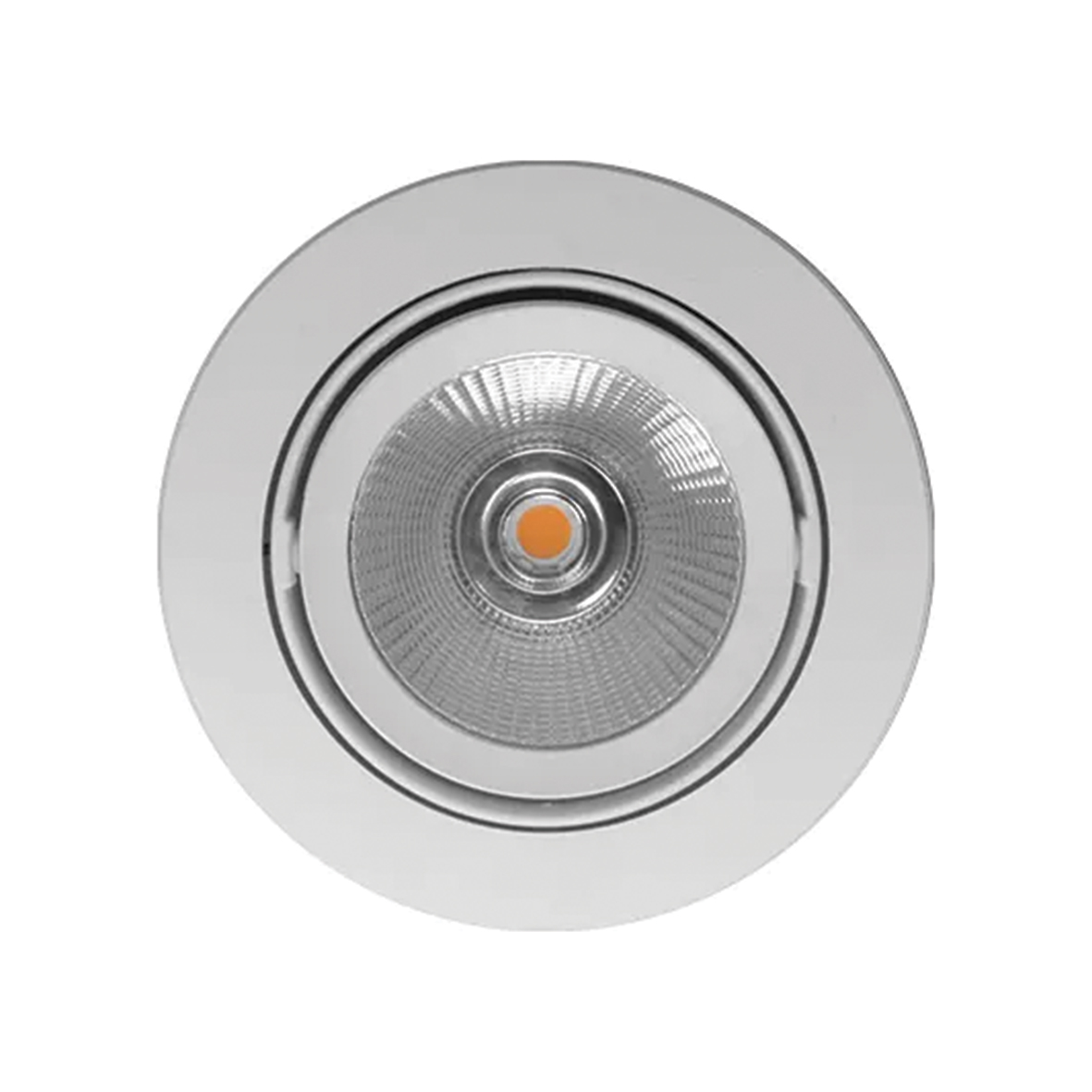
Cystra
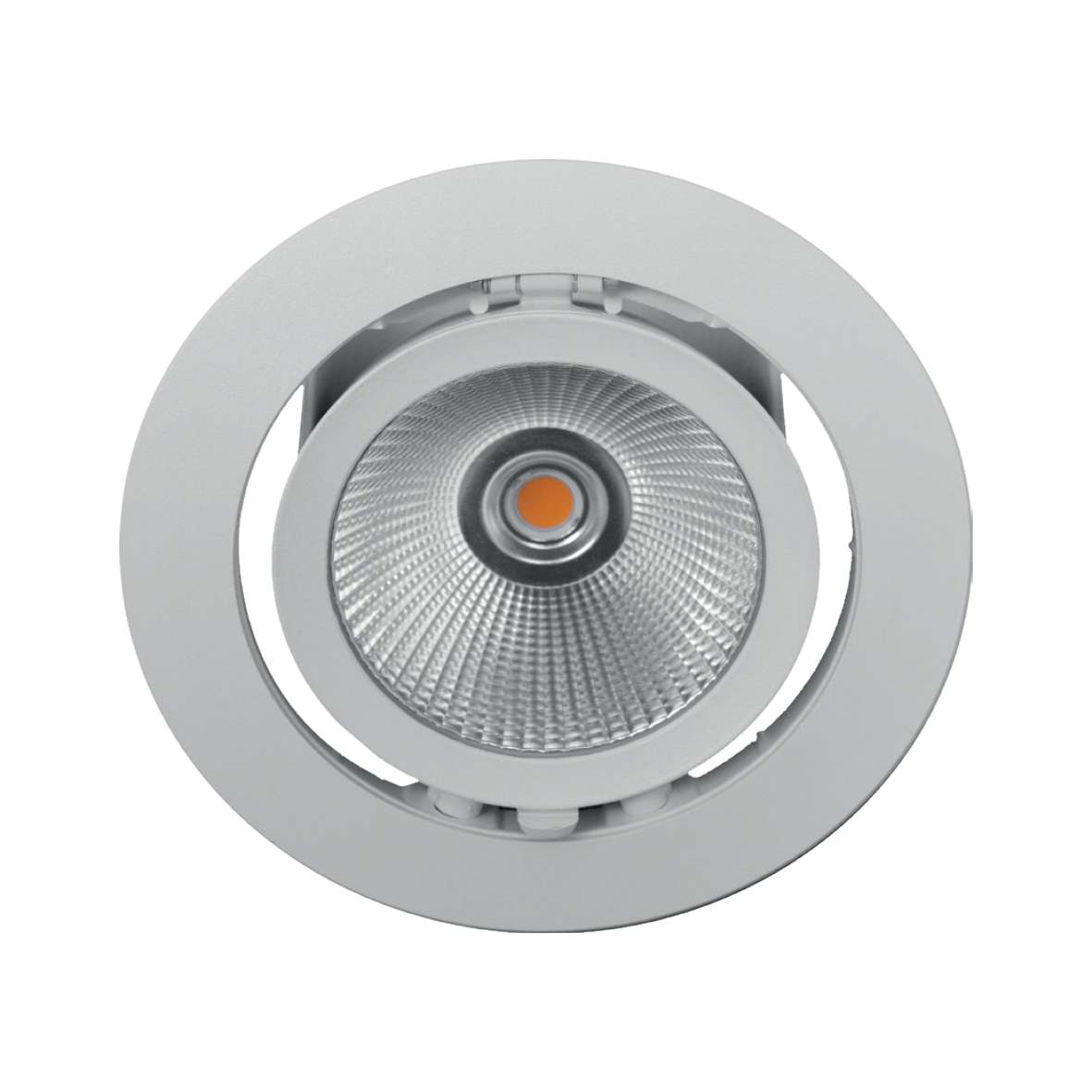
Cystra Gimbal
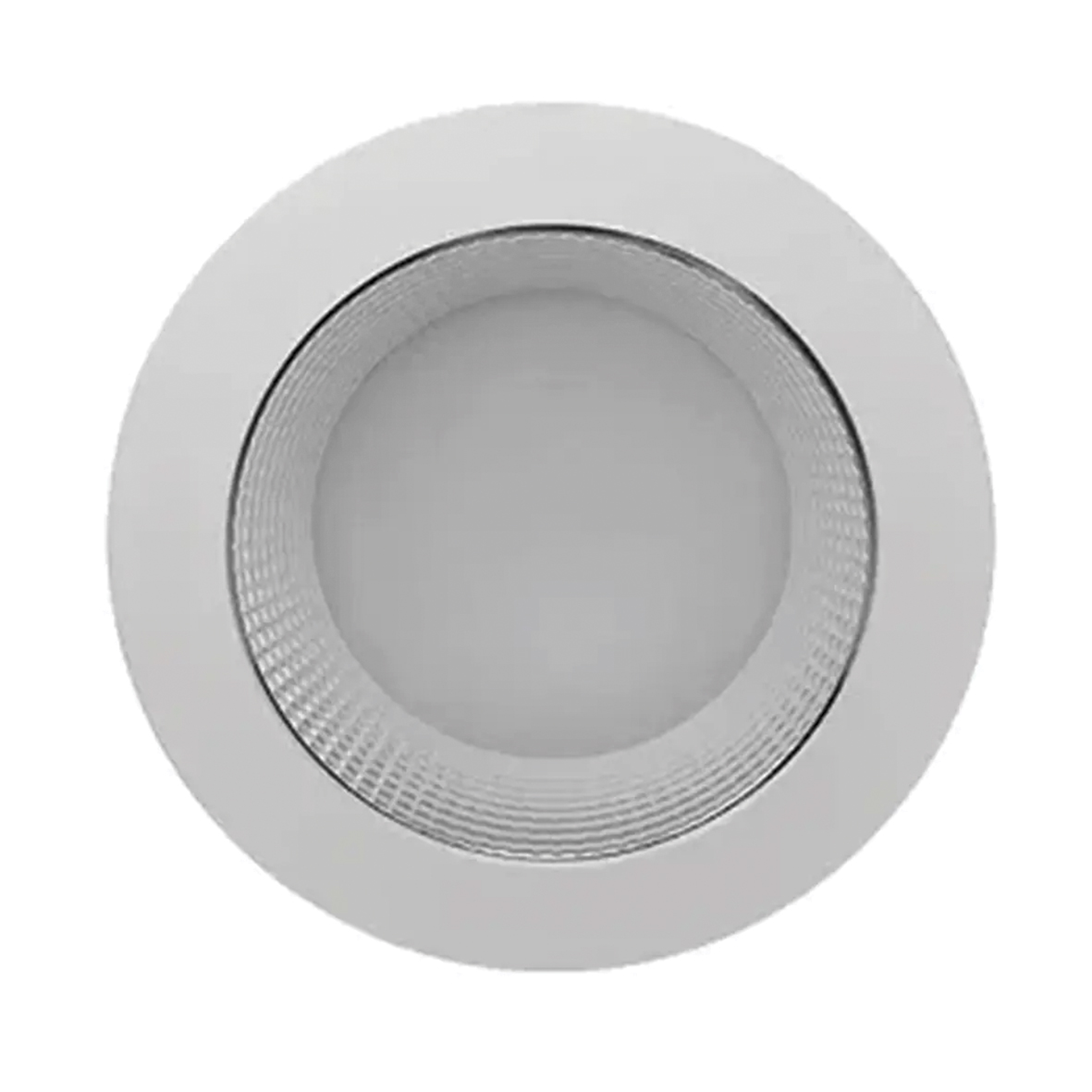
Cystra-P
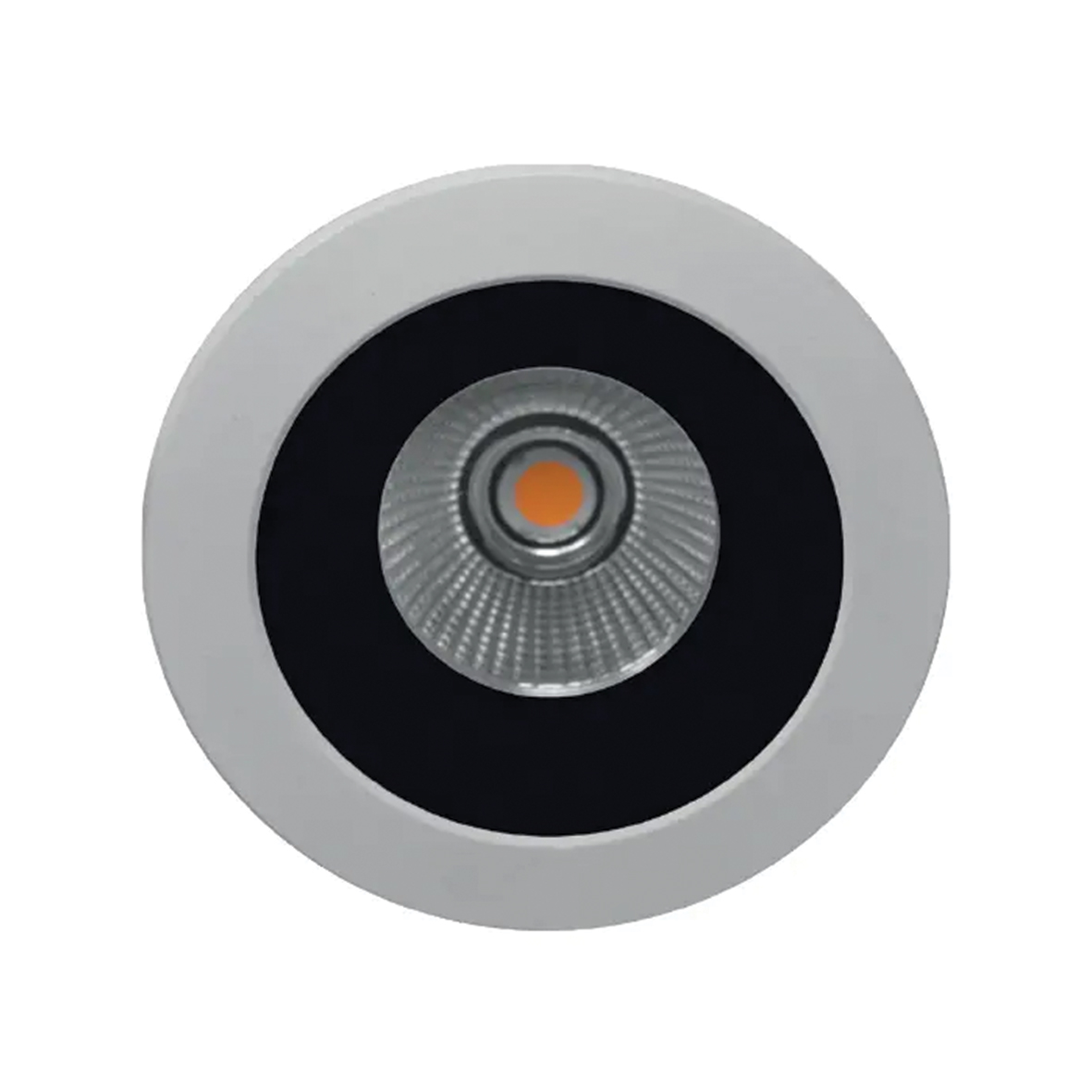
Cystra UGR
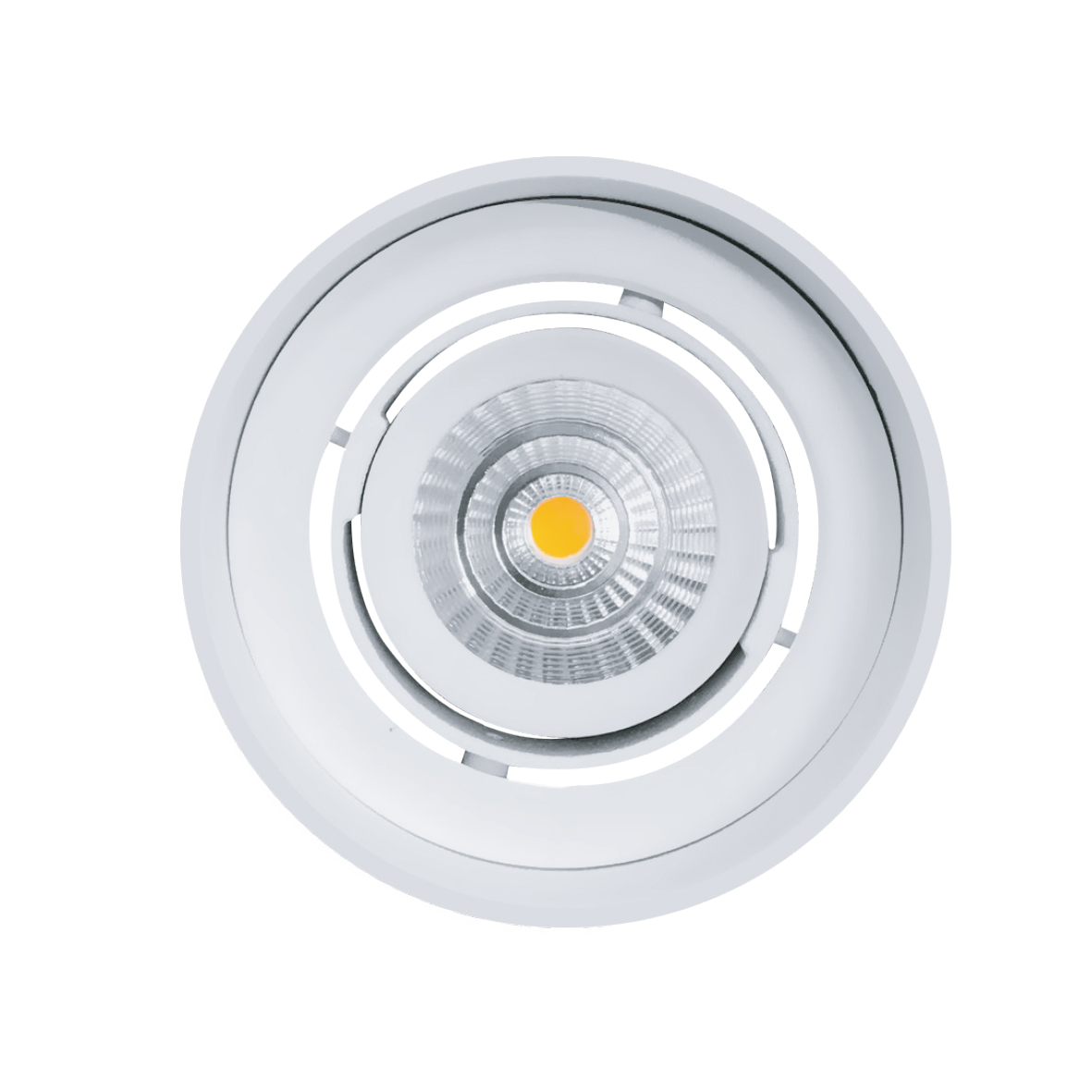
Cystra-Z
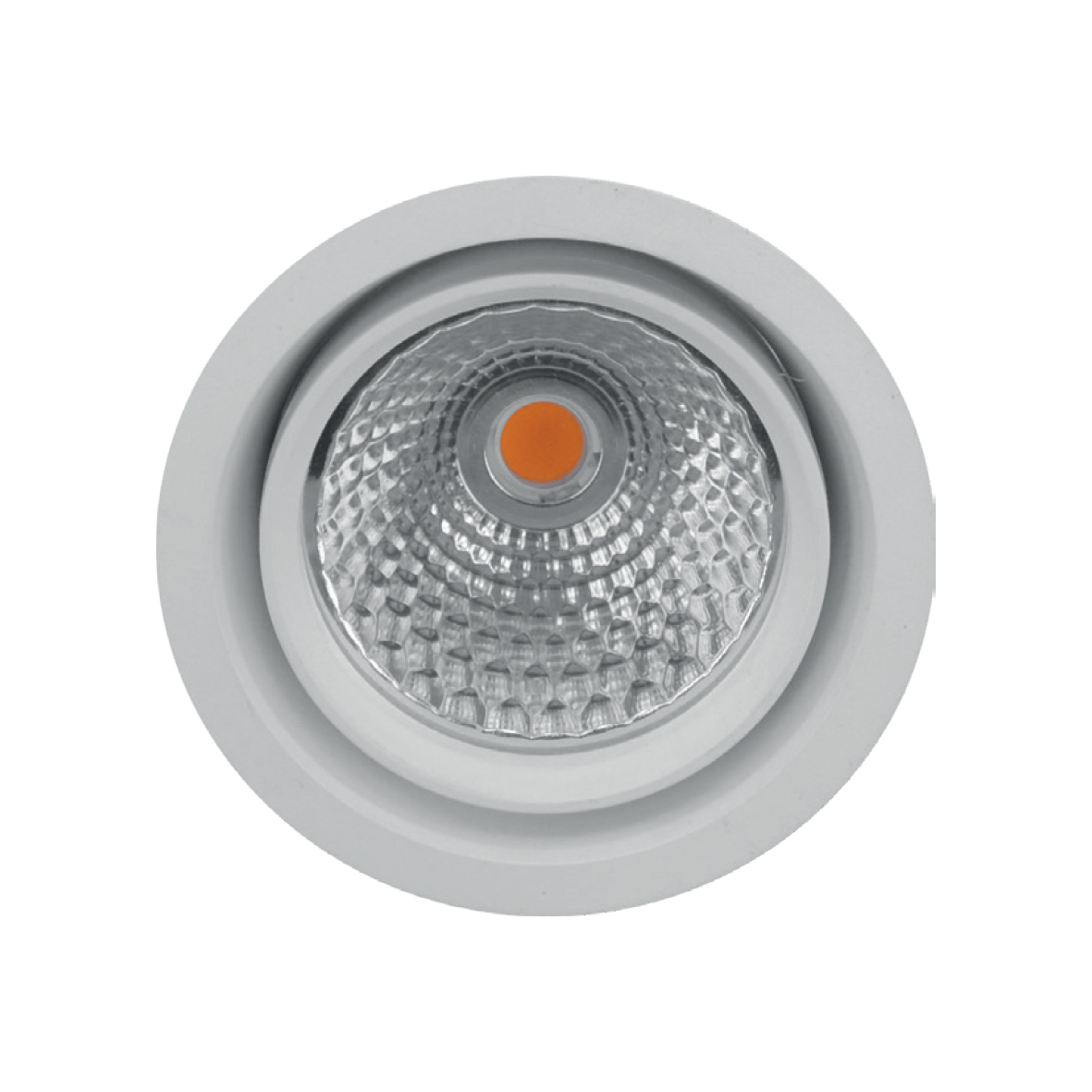
Pavia
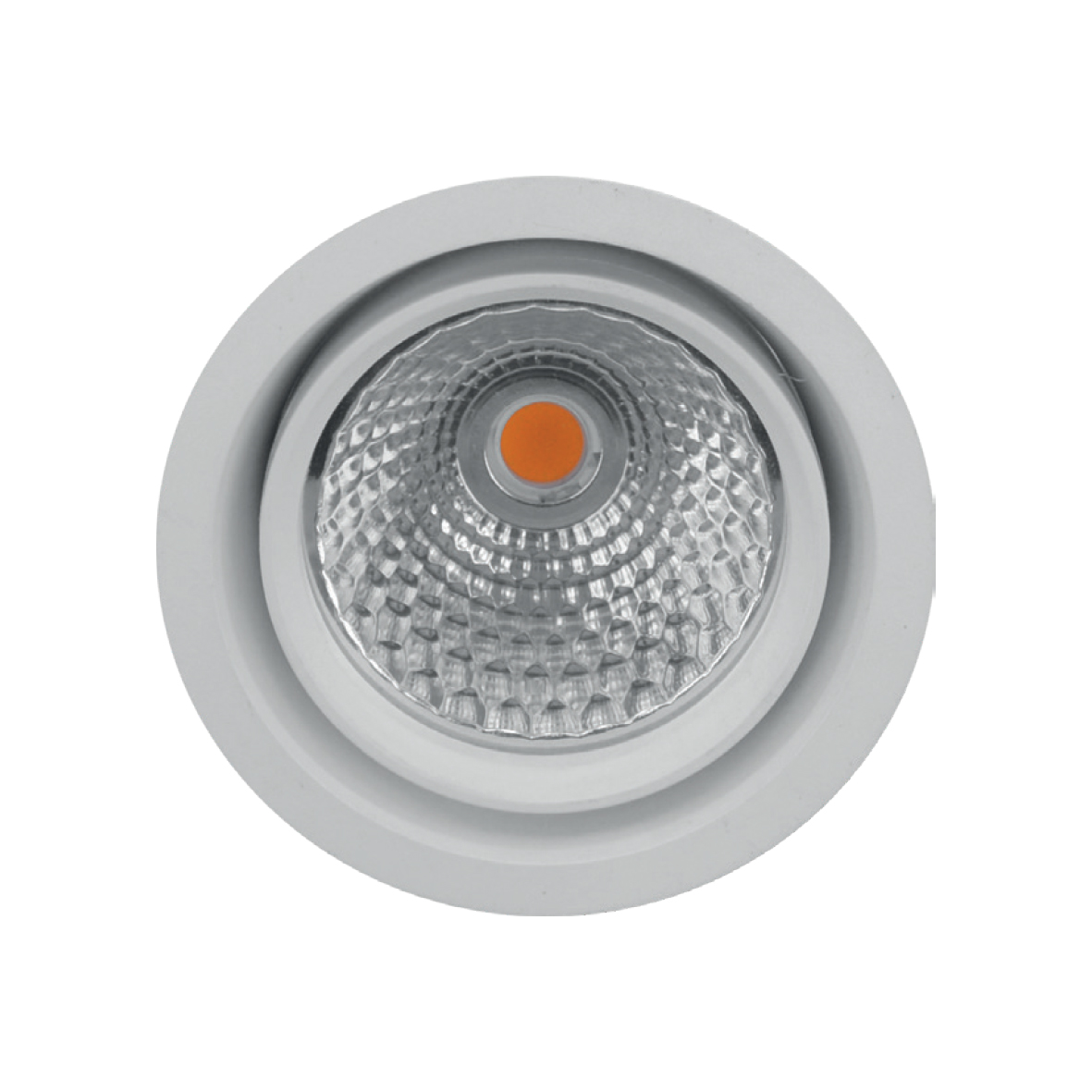
Pavia-Z Trimless
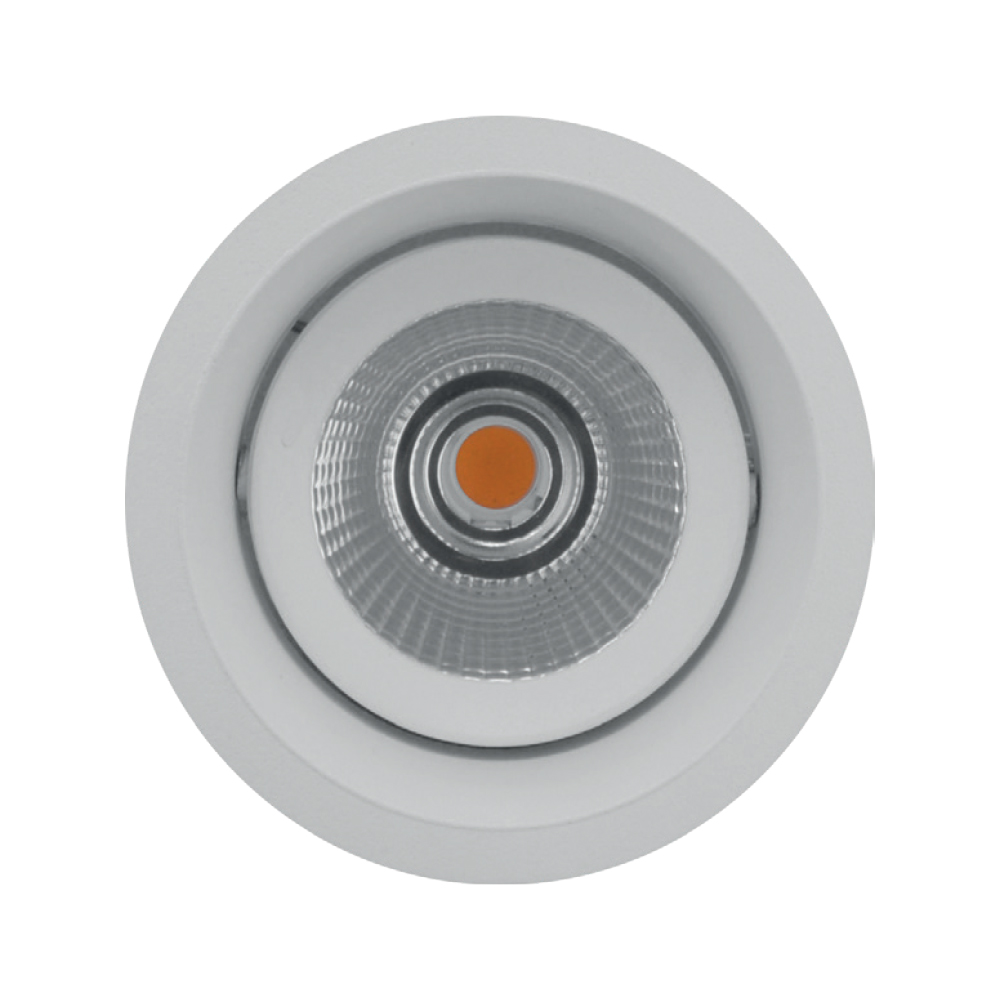
Pavia-I
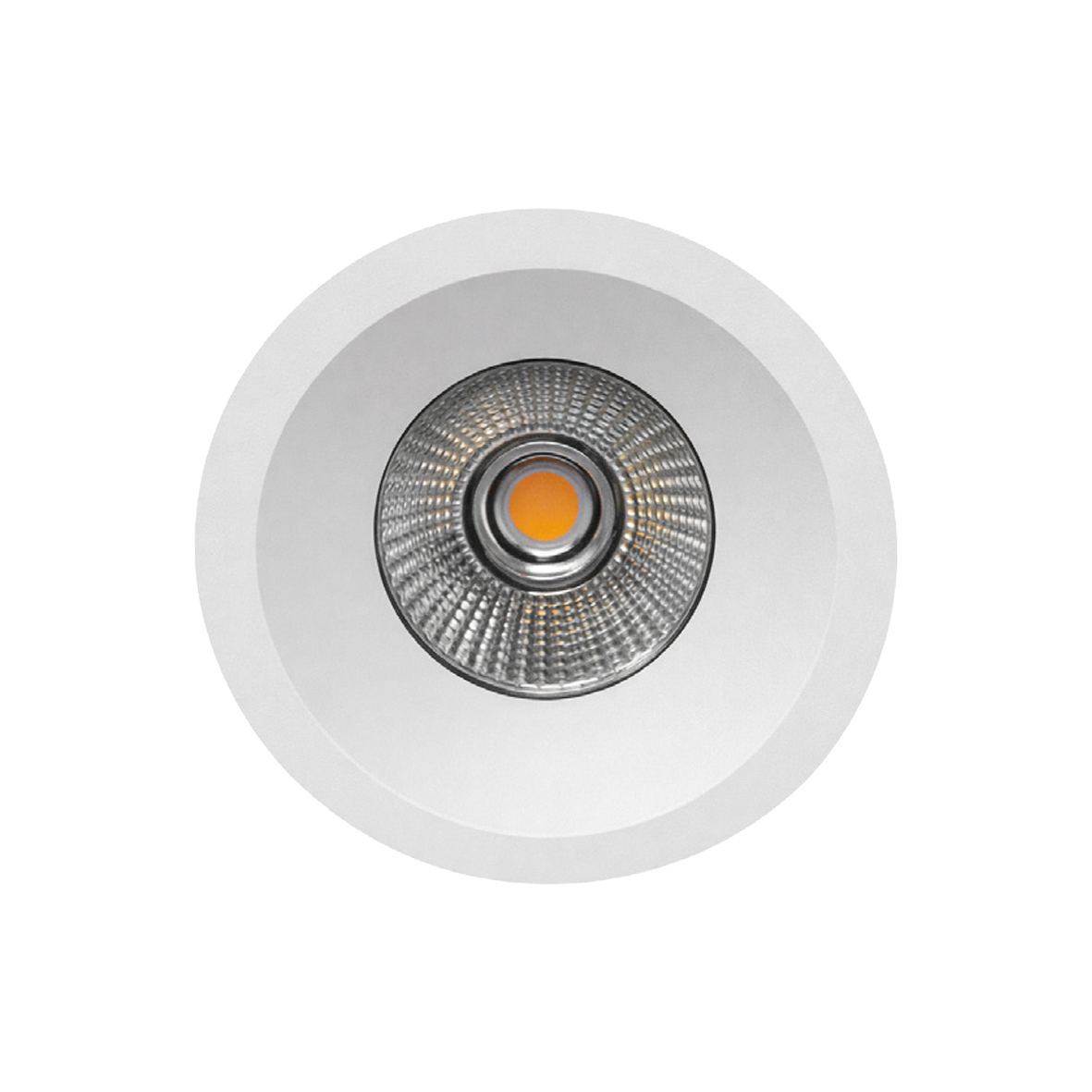
Polea
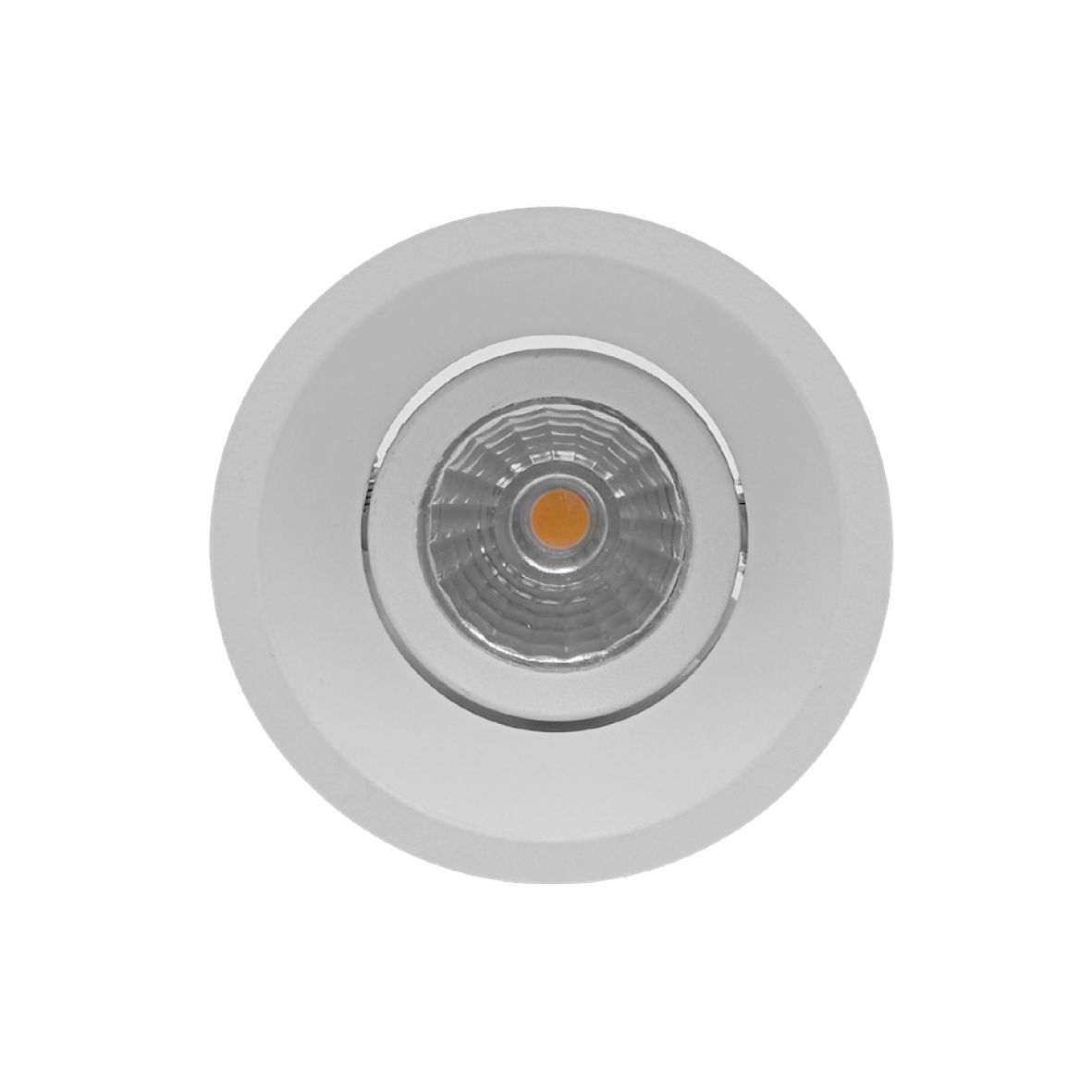
Polea-A
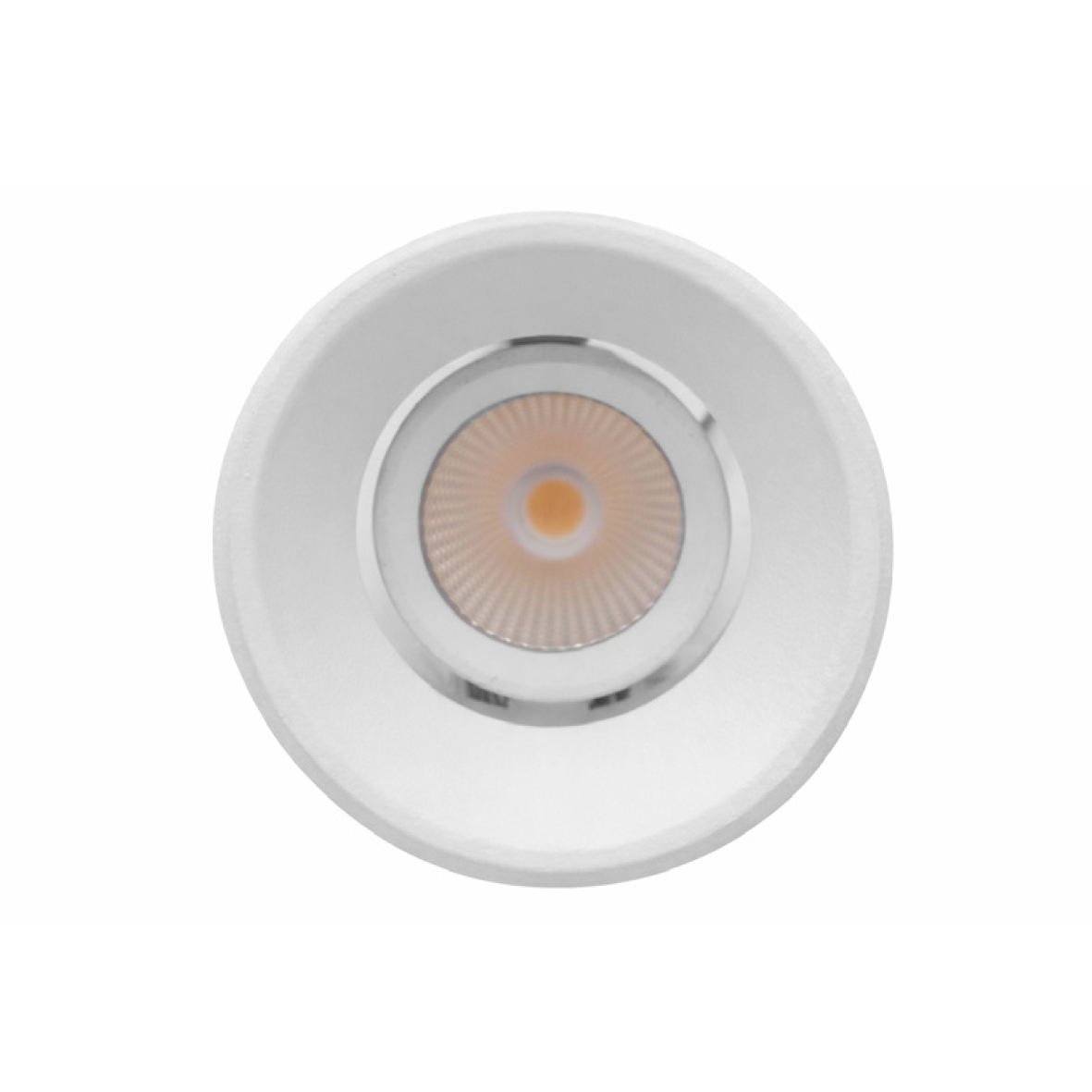
Polea-AZ
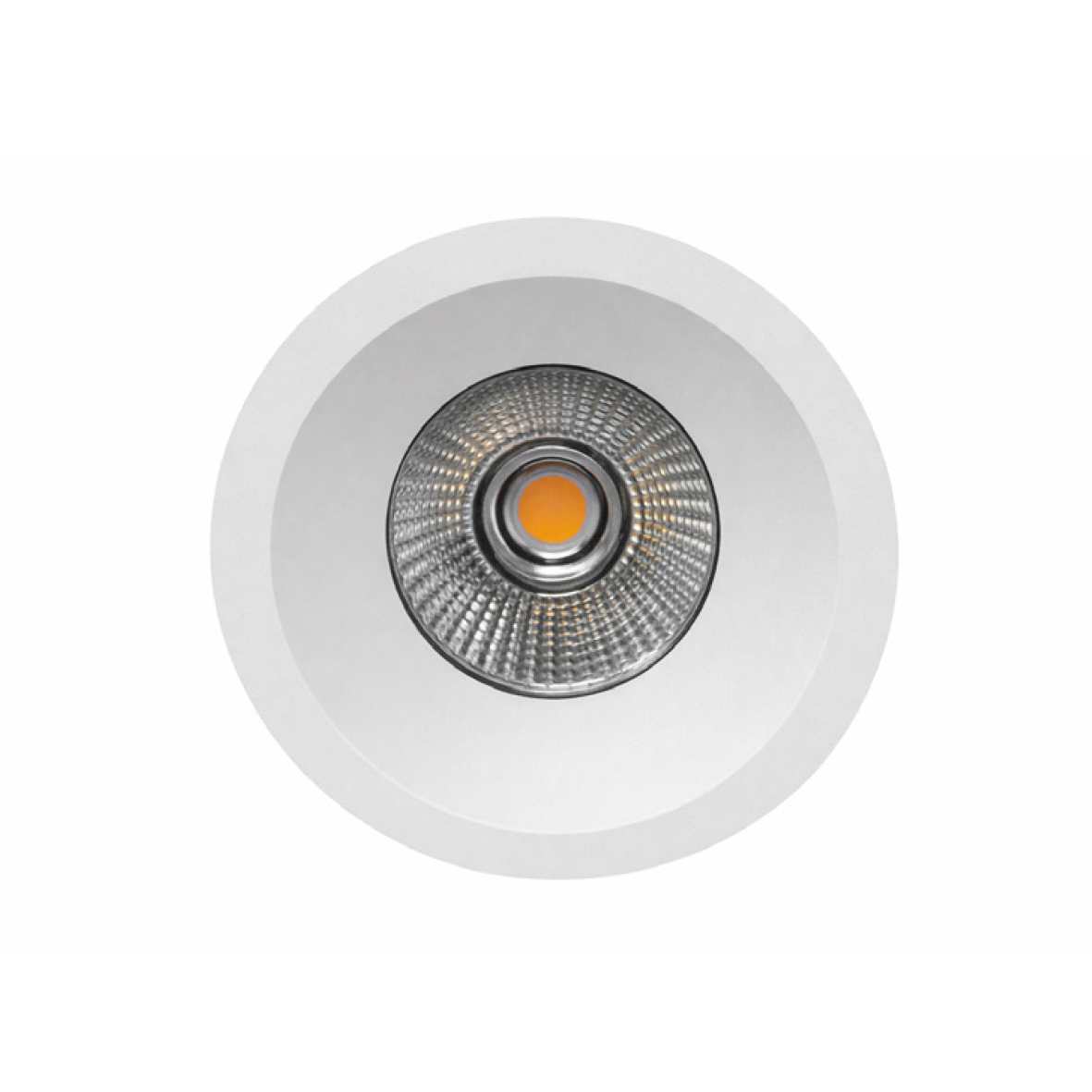
Polea-Z
Polea-P
Thin
GIRO
Lago
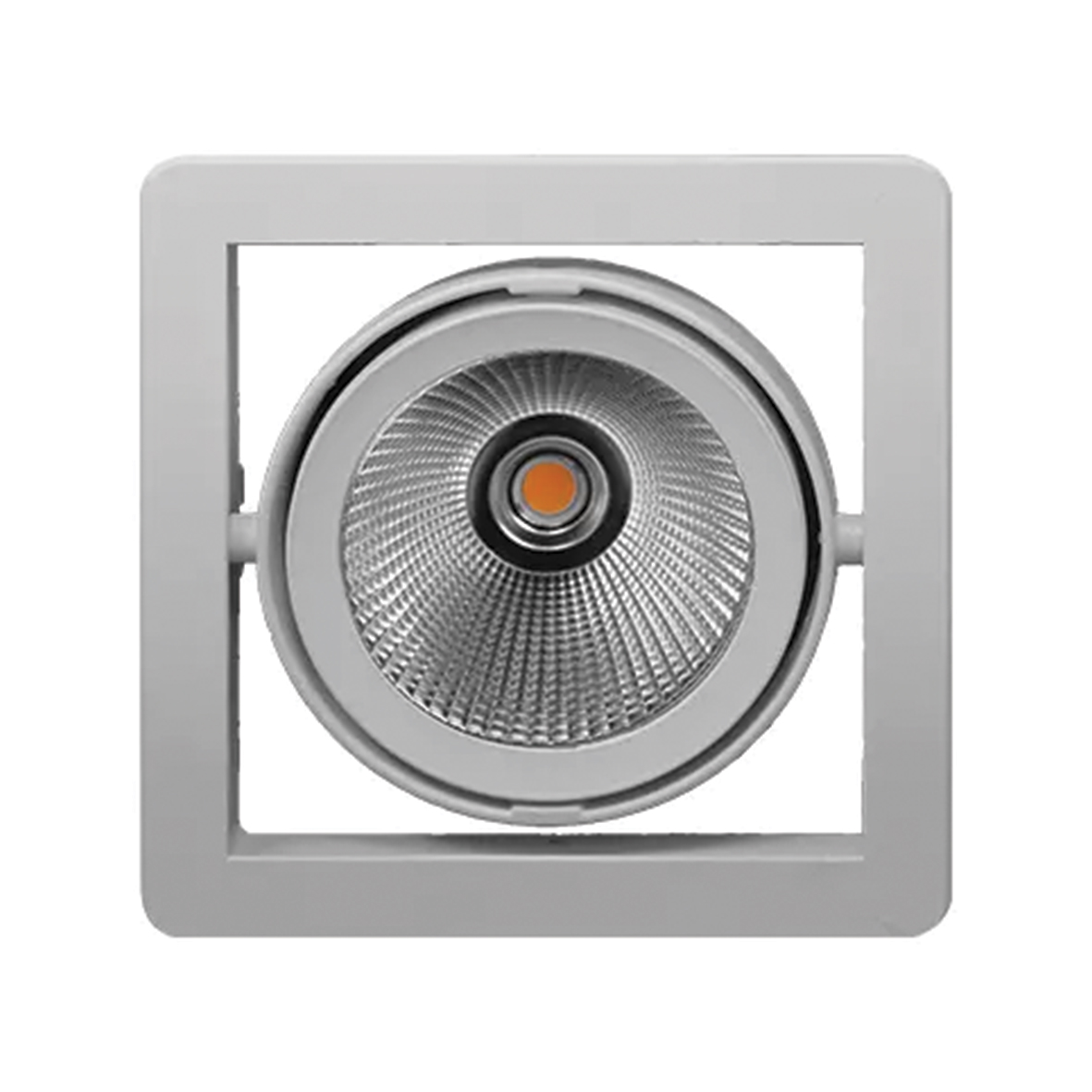
Fera-M
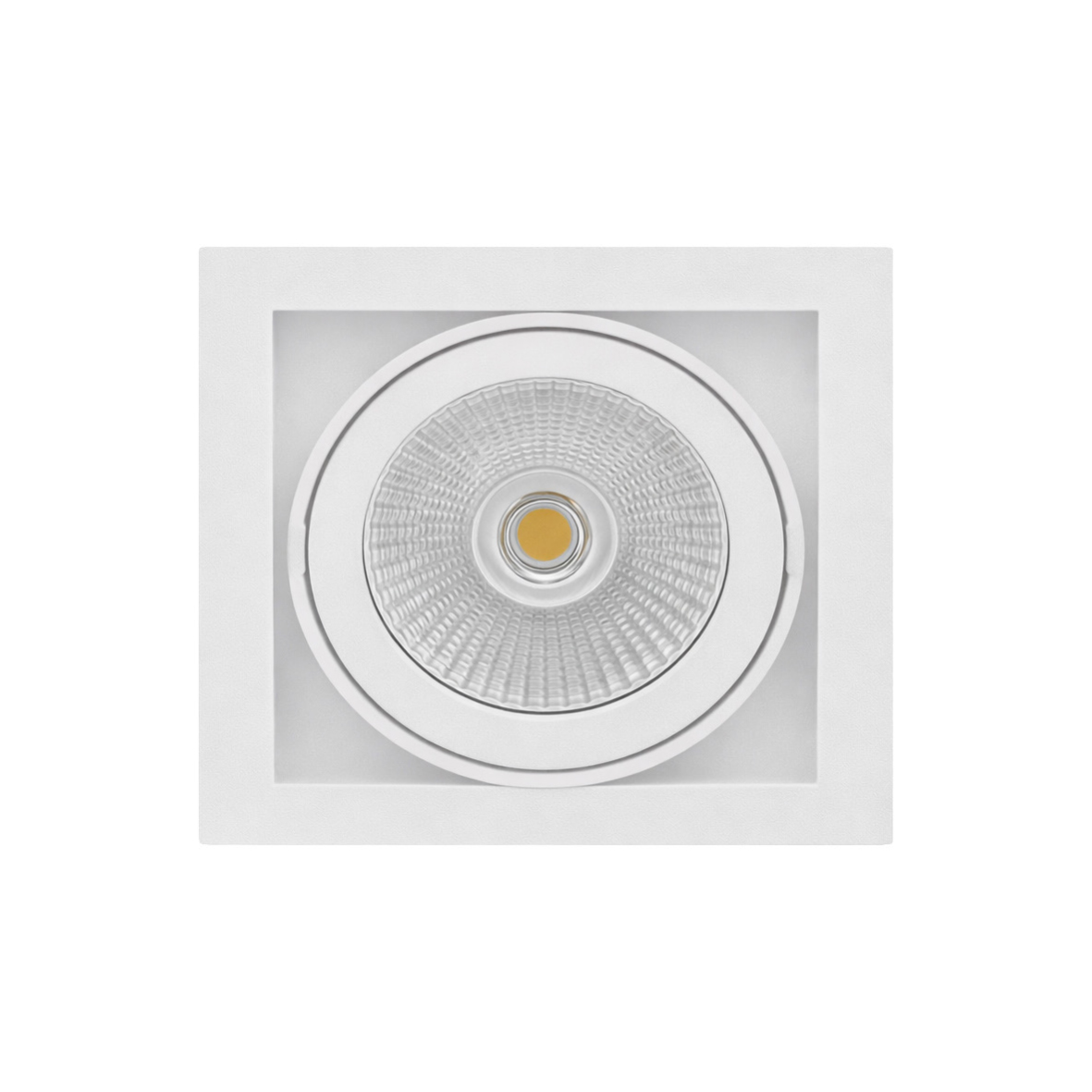
Fera-M Grilyato
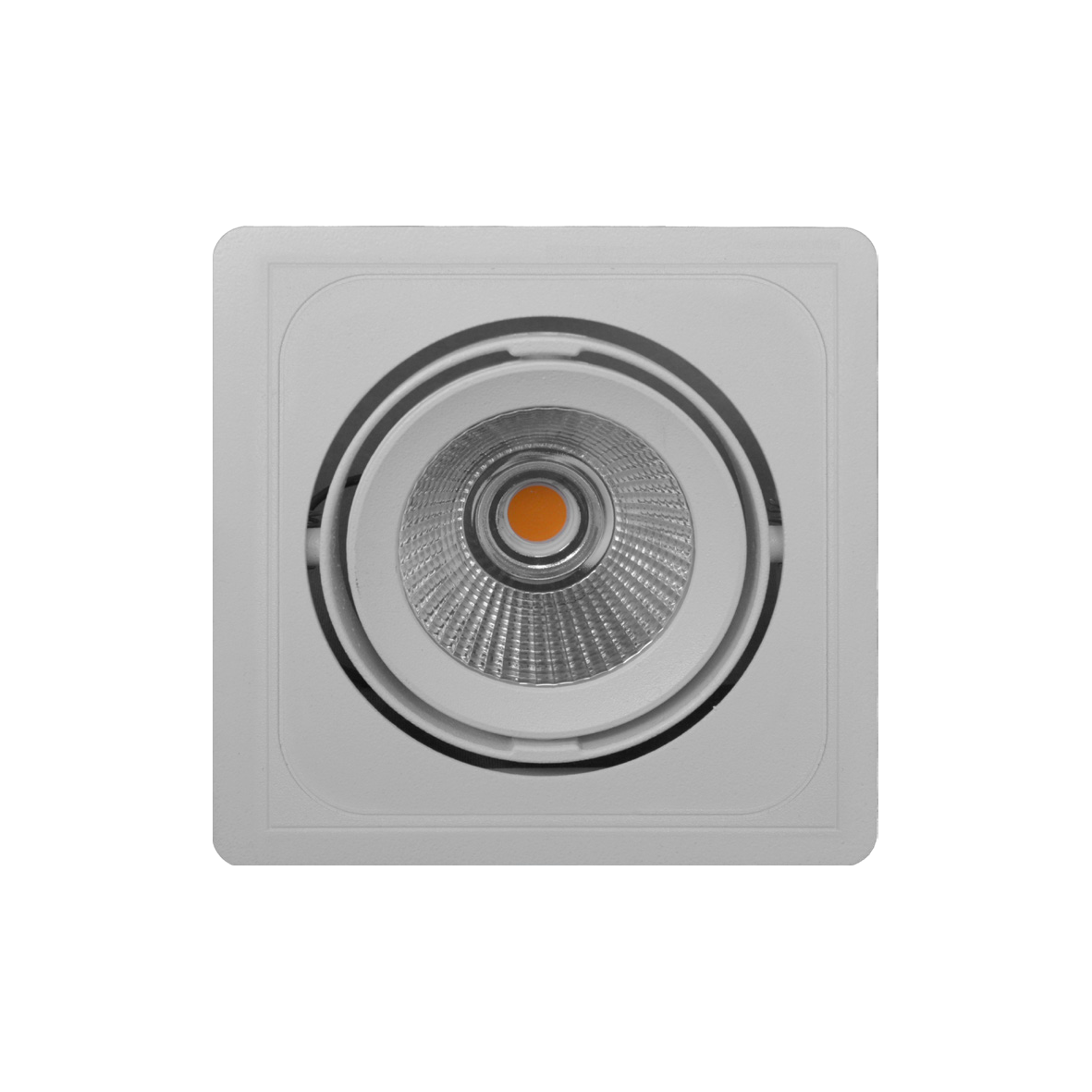
Fera-FM
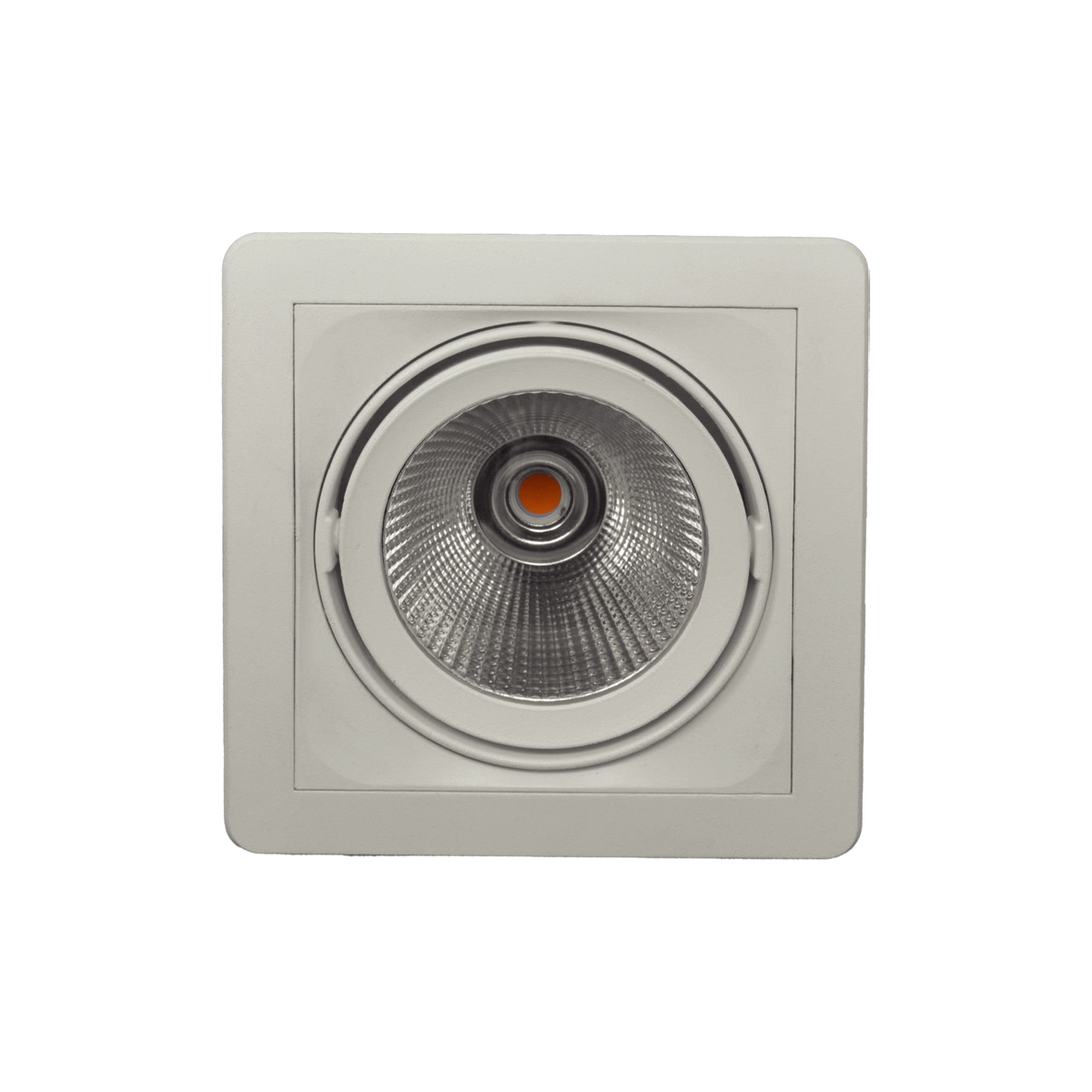
Fera-IM
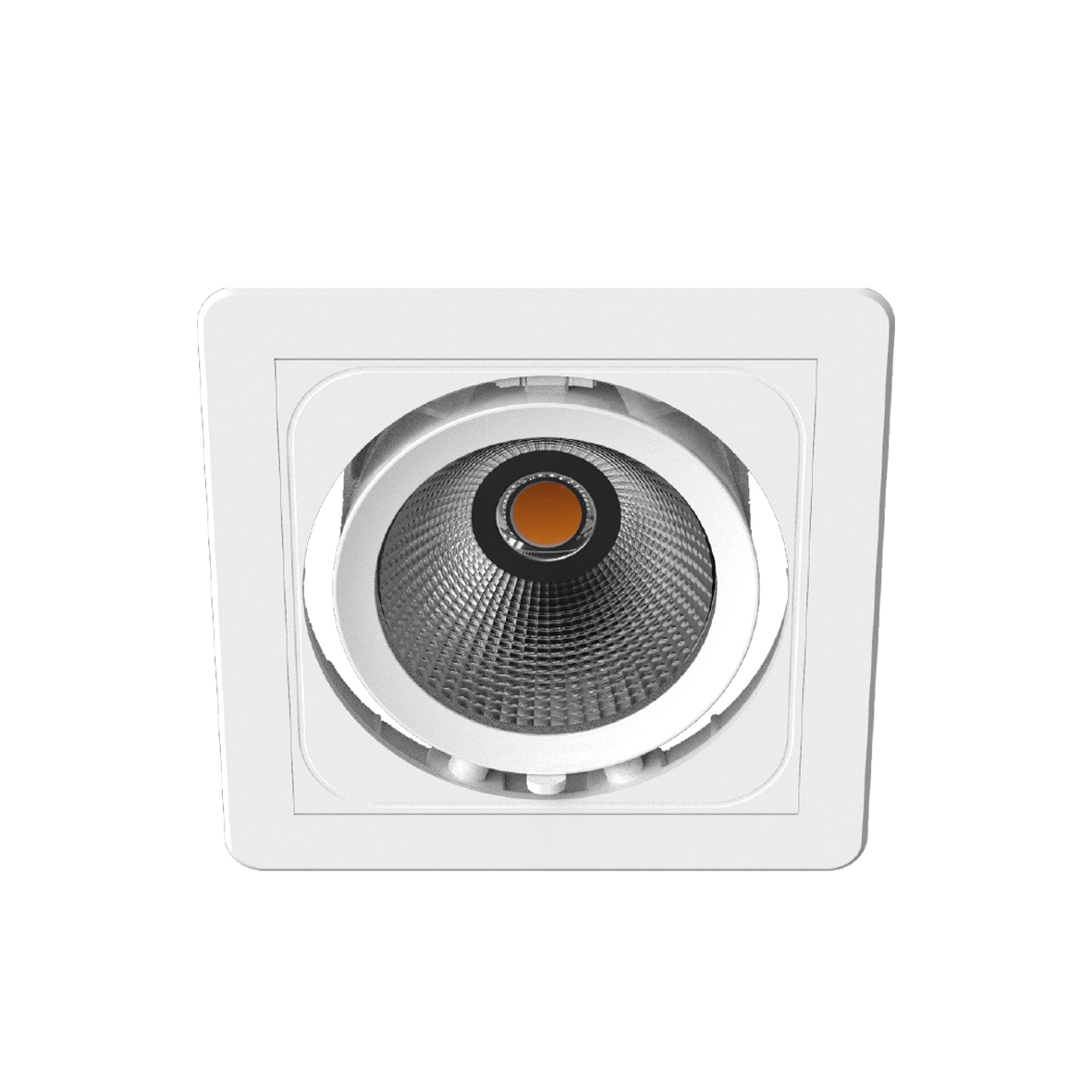
Fera-FM Gimbal
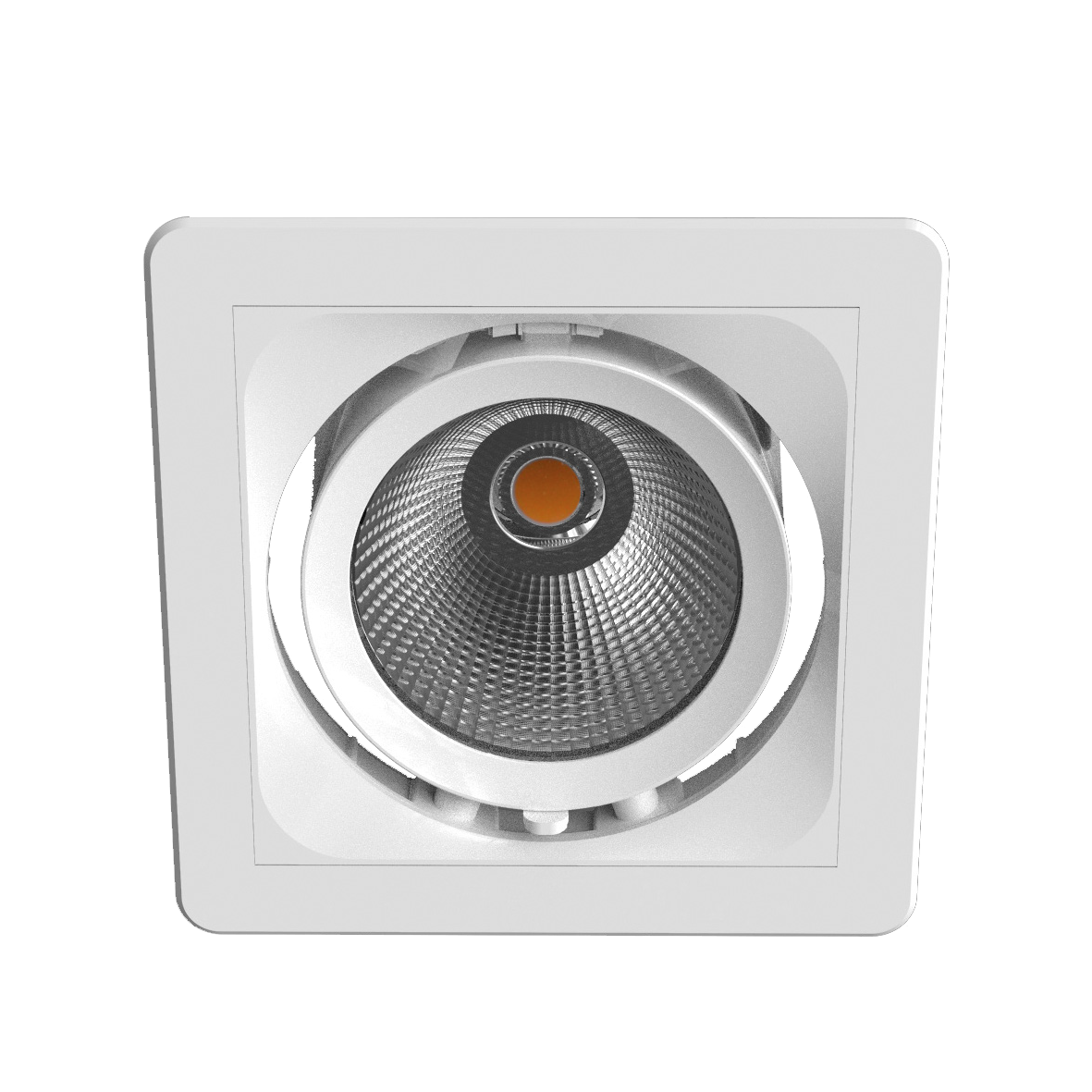
Fera-IM Gimbal
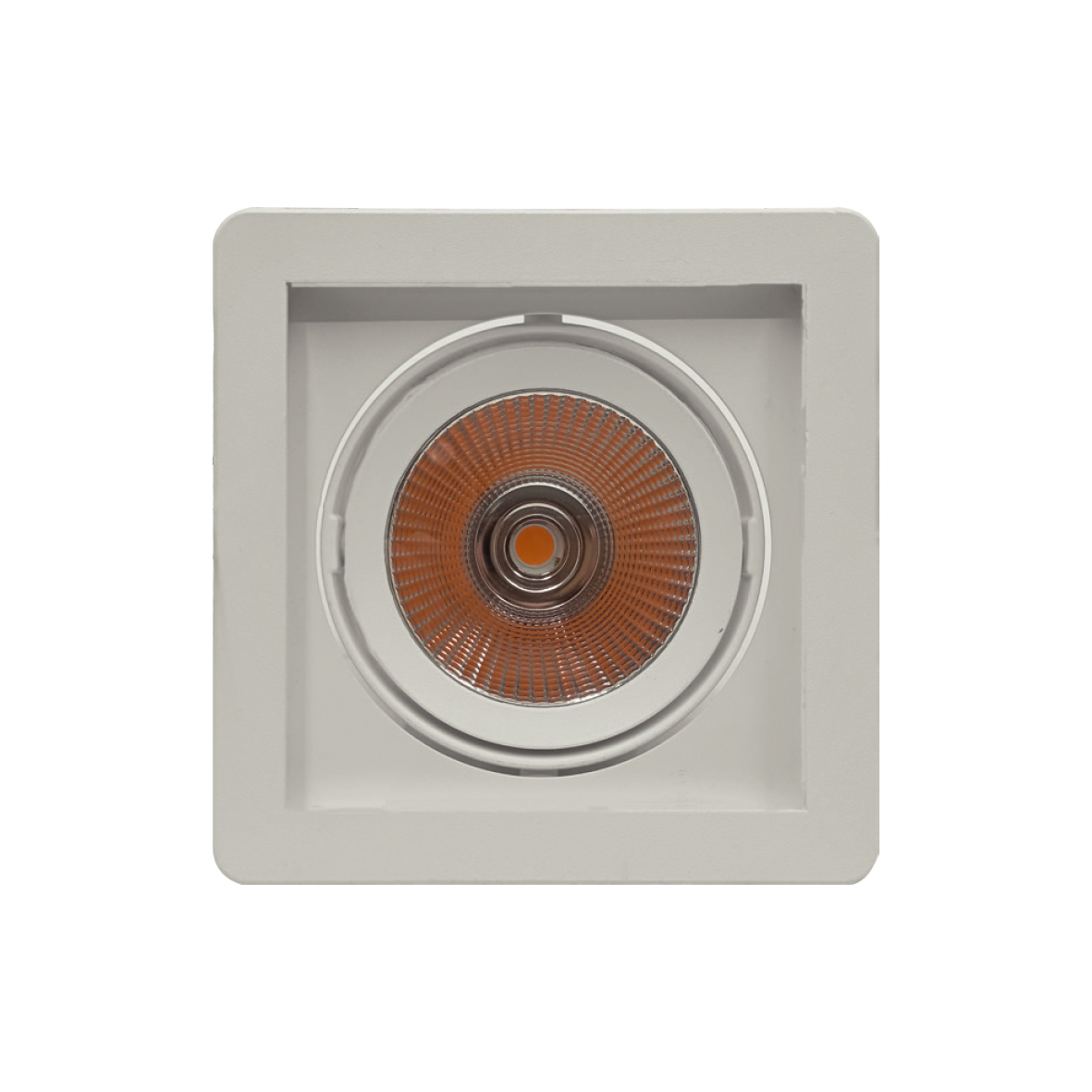
Fera-KM
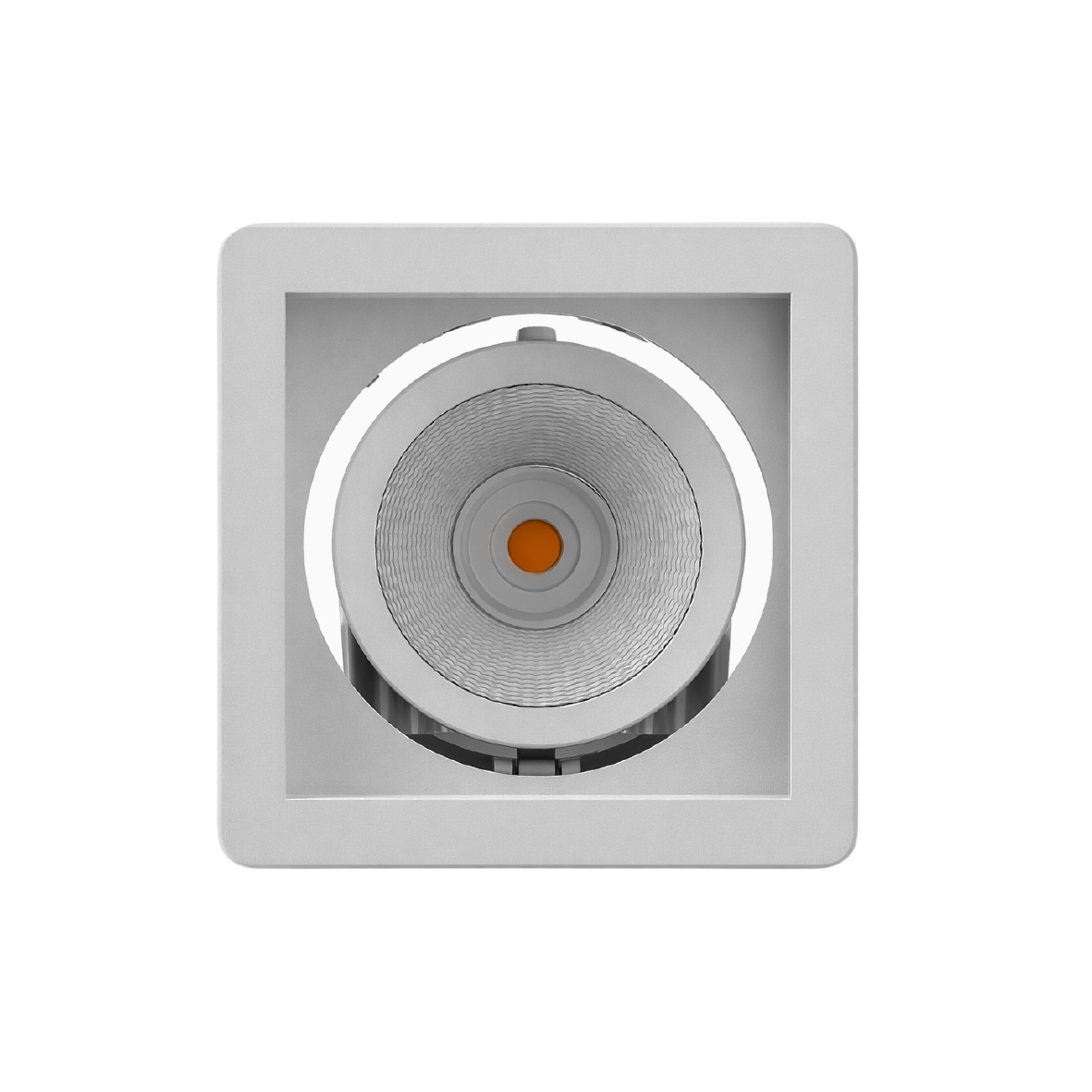
Fera-KM Gimbal
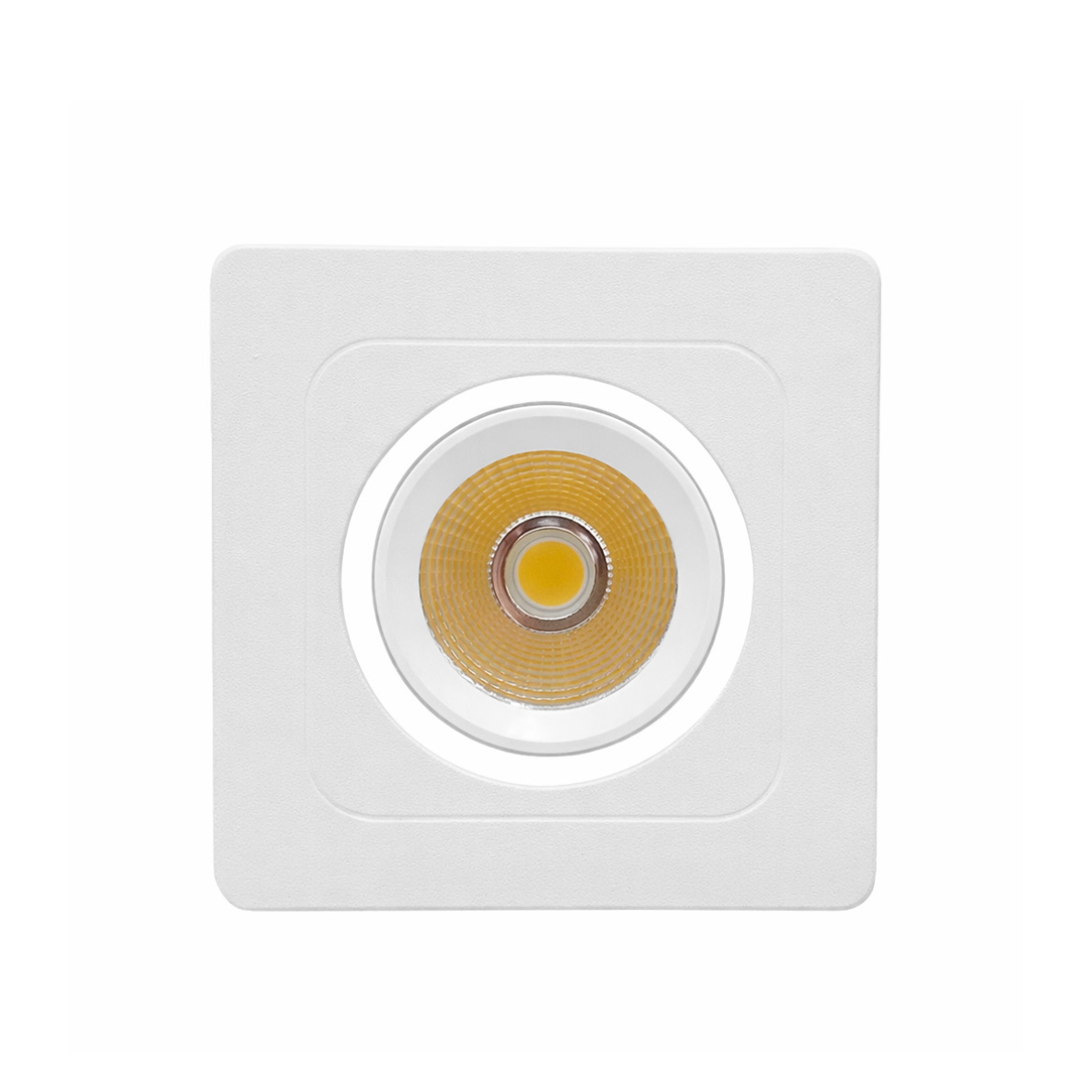
Fera-140-FM Gimbal
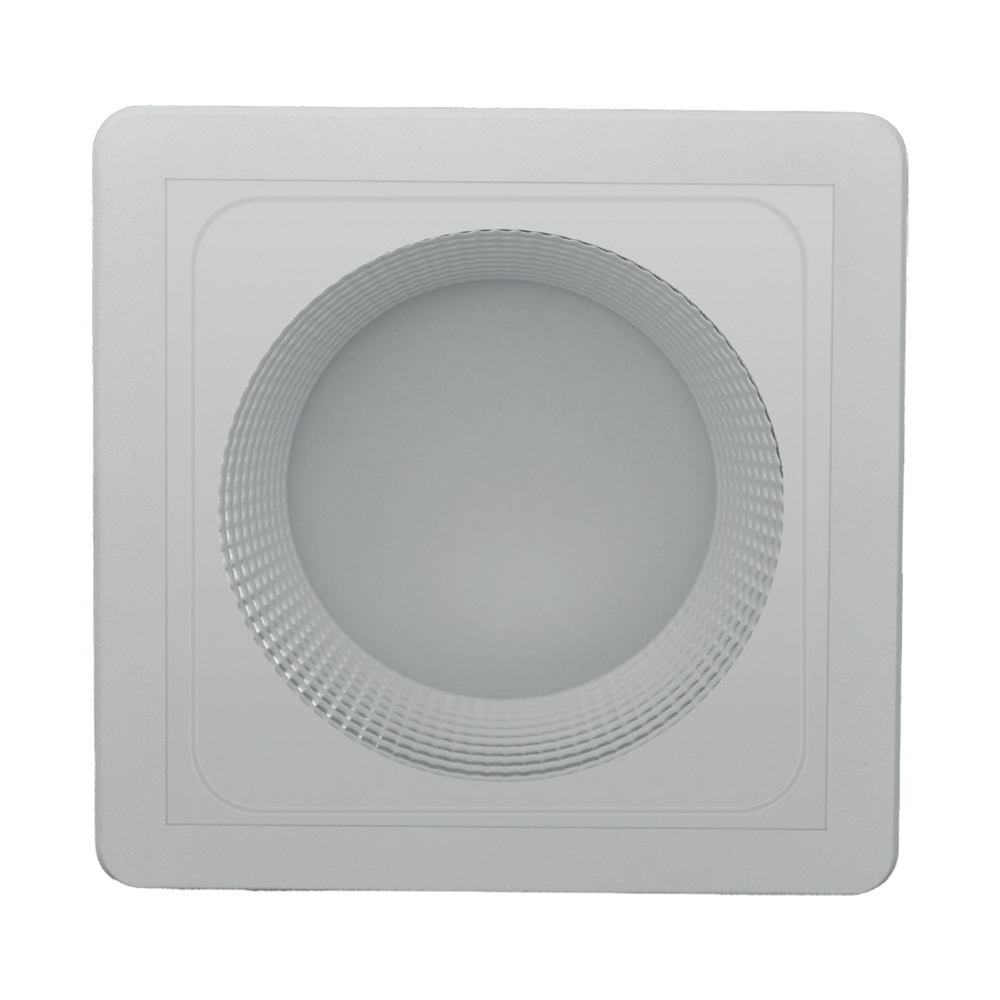
Fera-FP
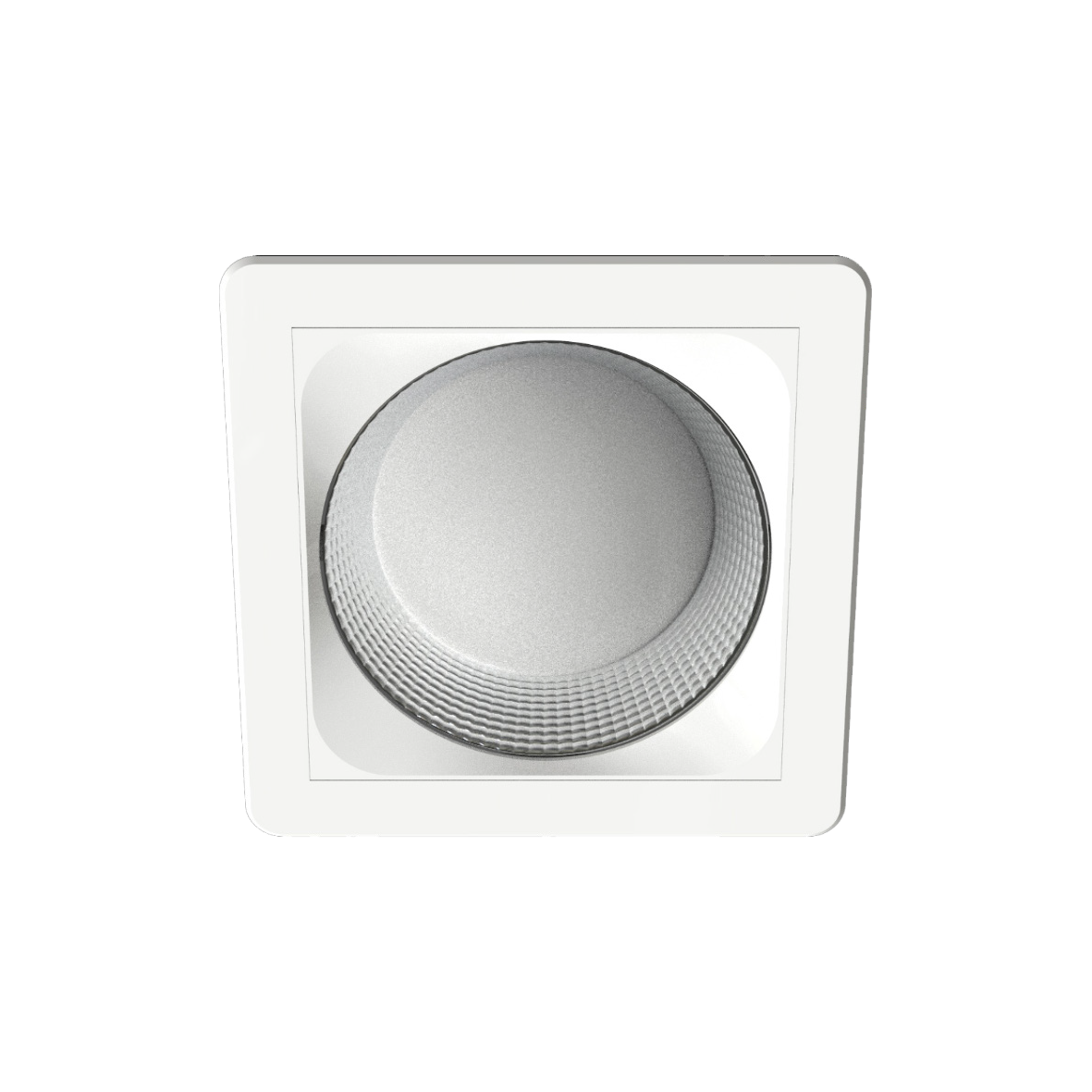
Fera-IP
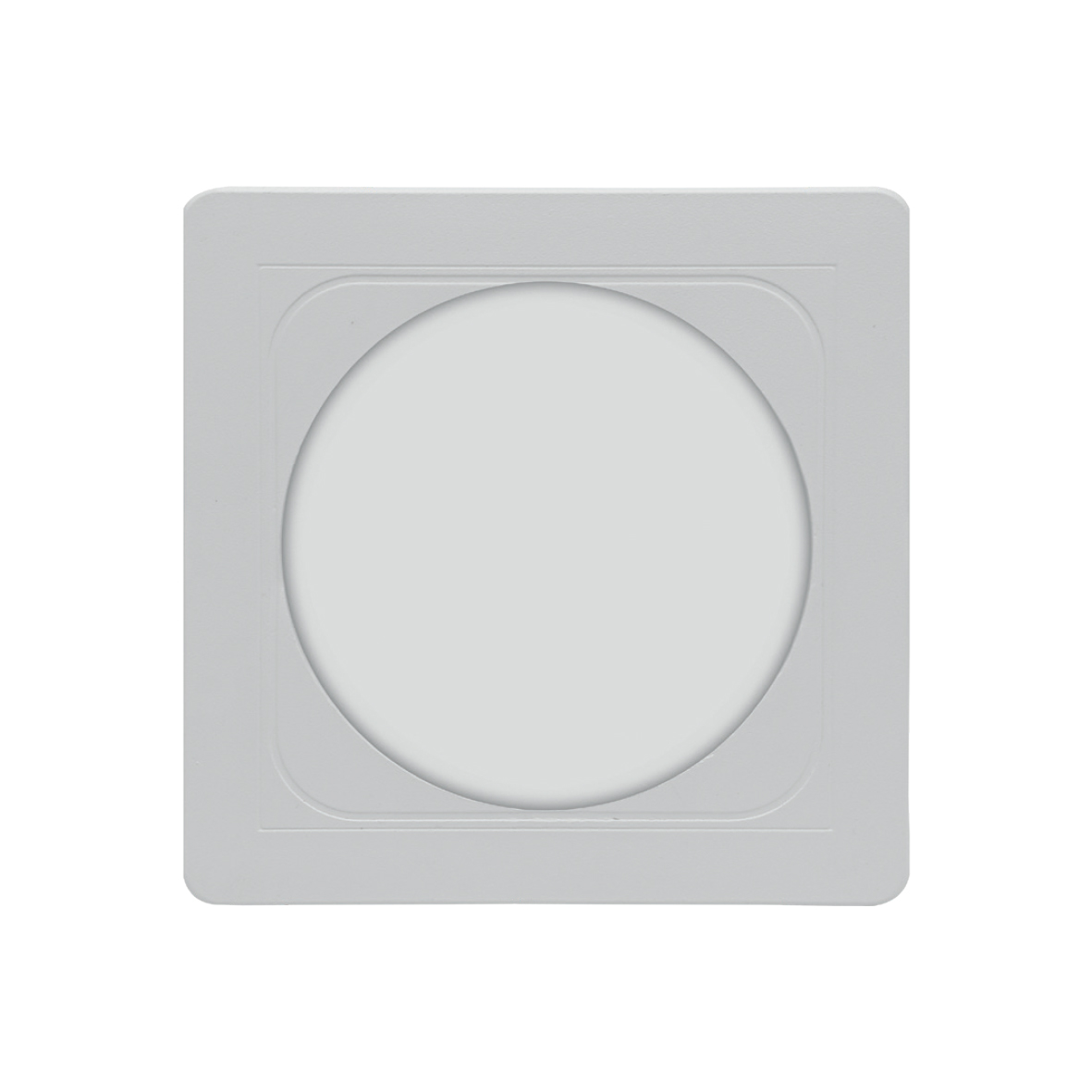
Fera-FPE
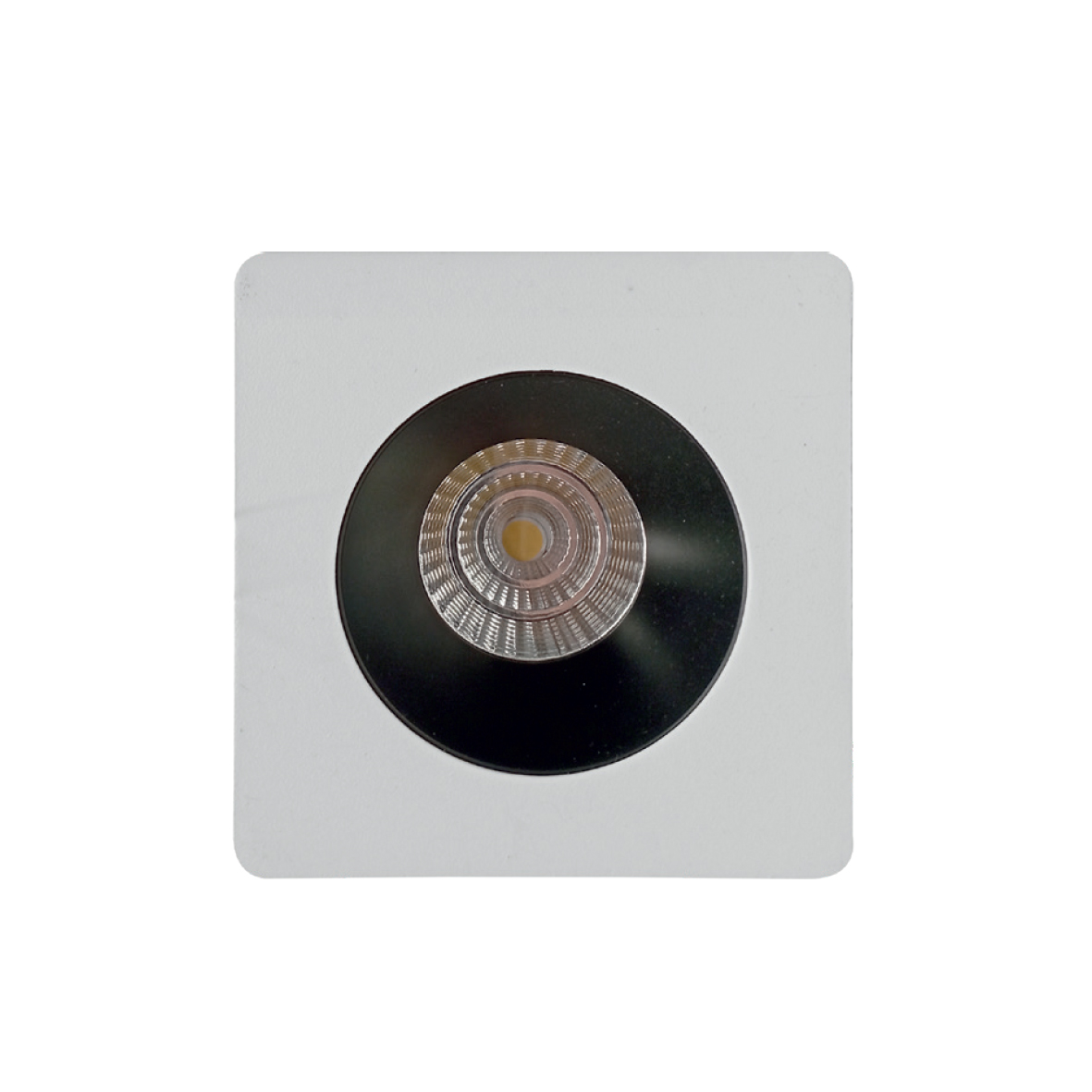
Fera-FM-UGR
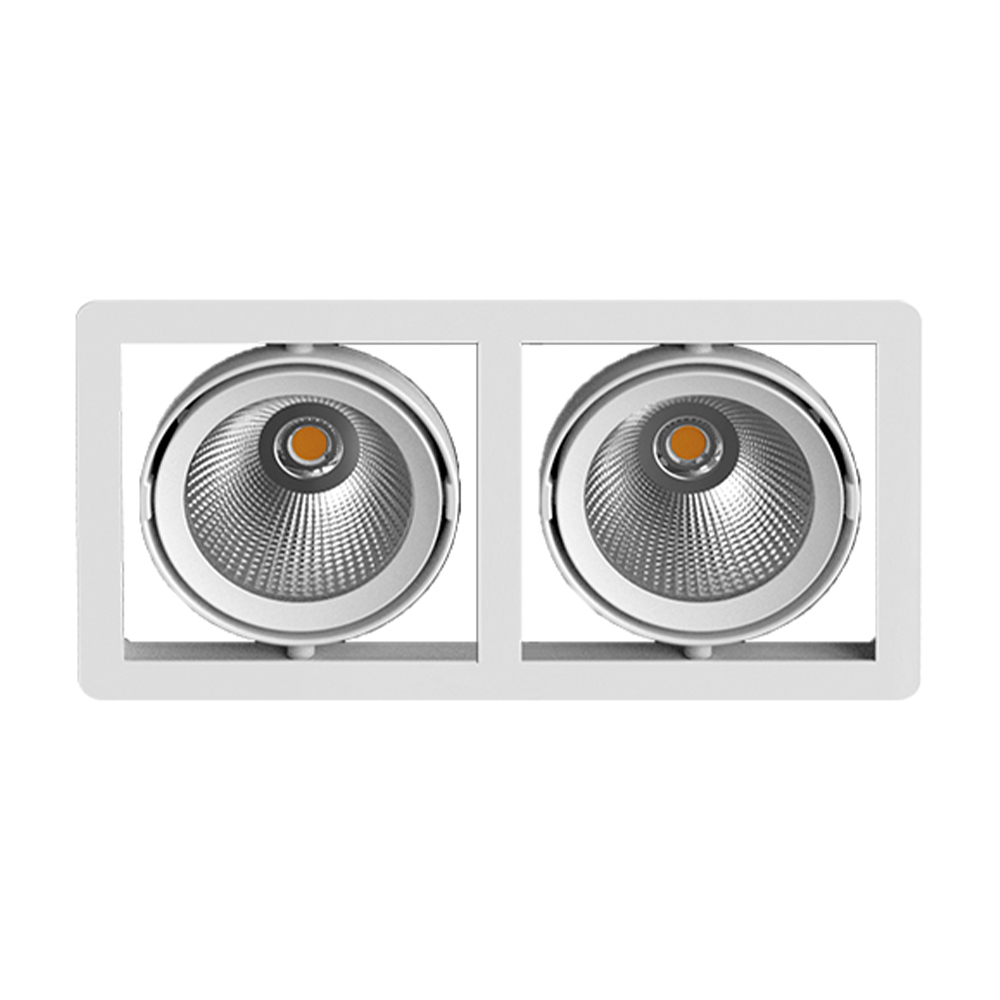
Fera-D
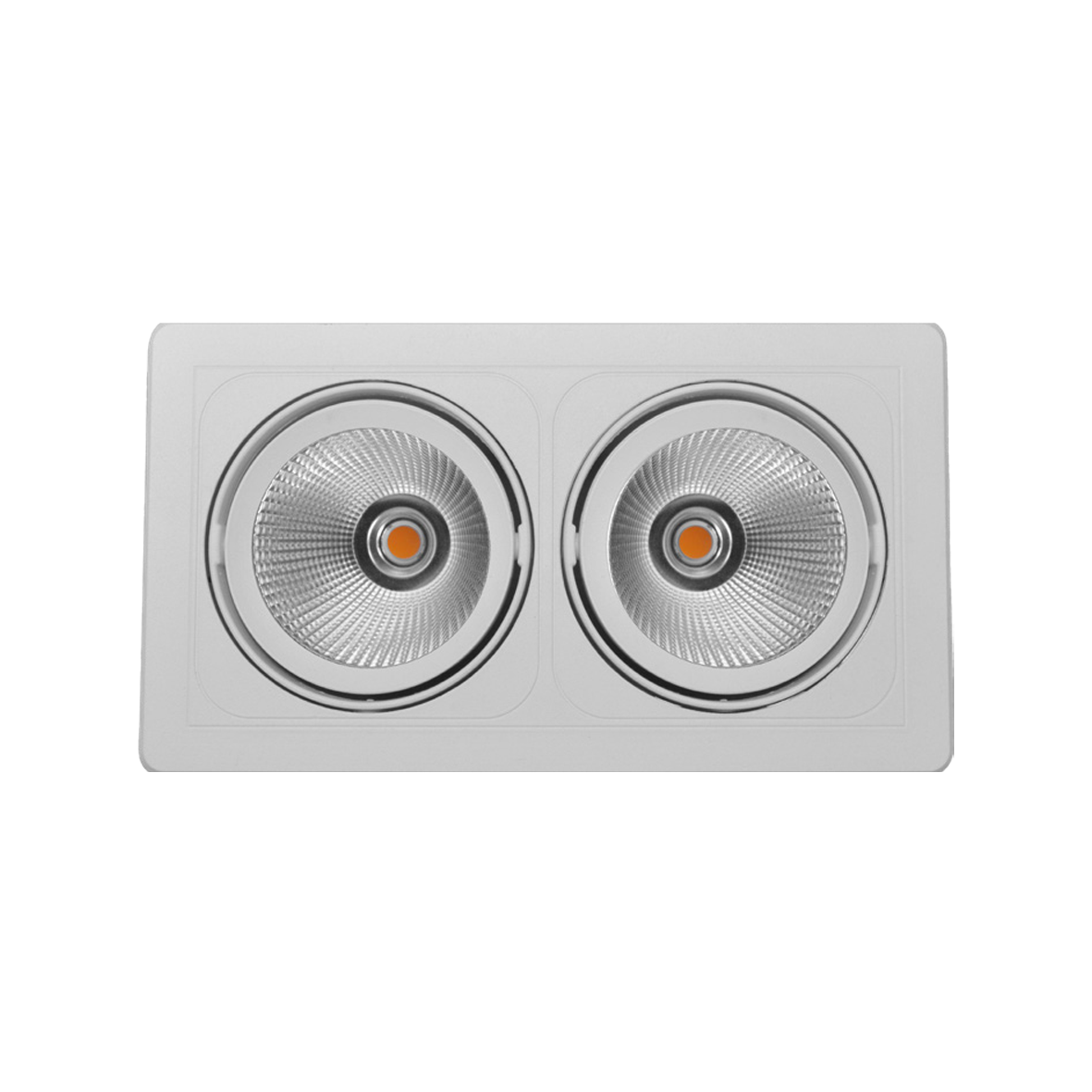
Fera-FD
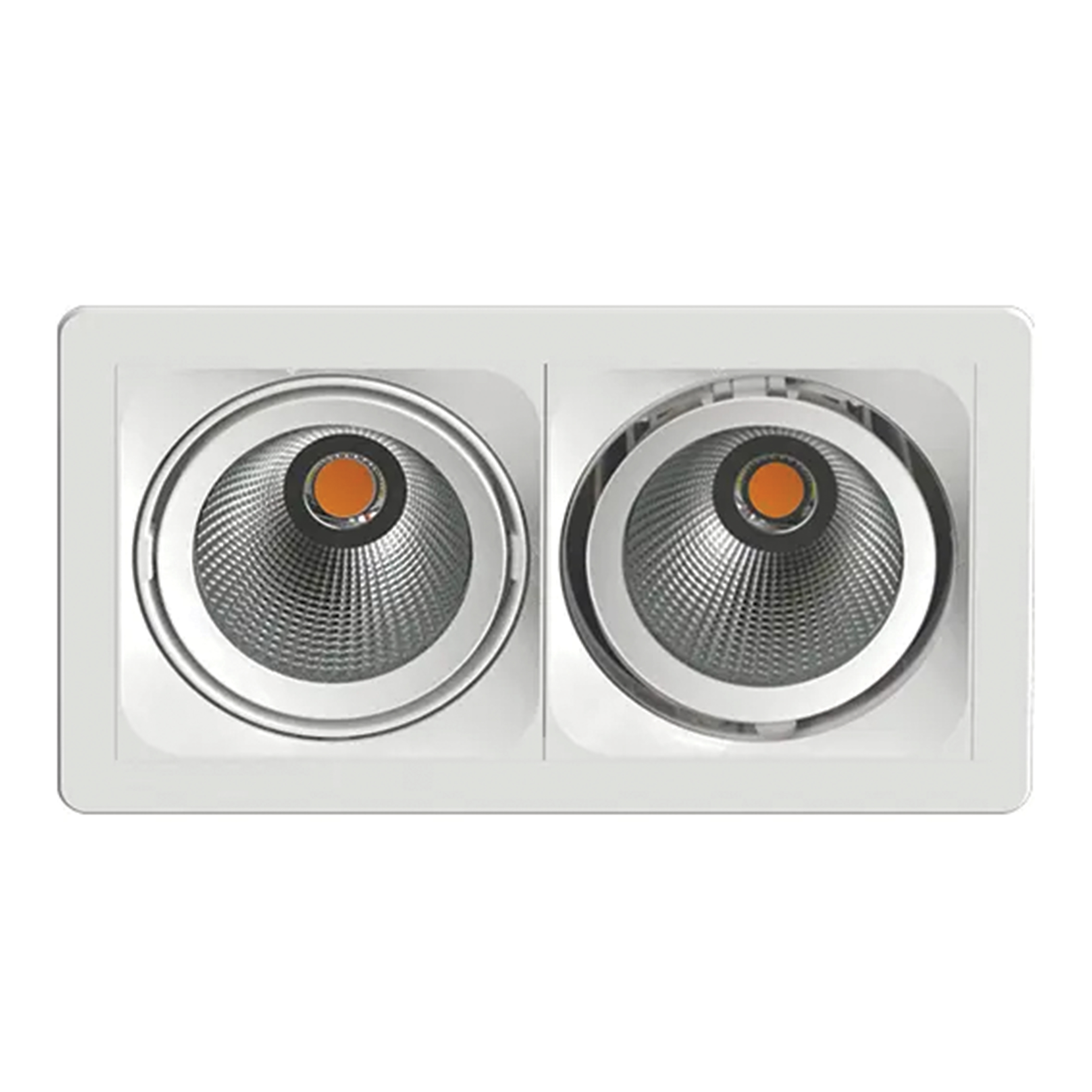
Fera-ID
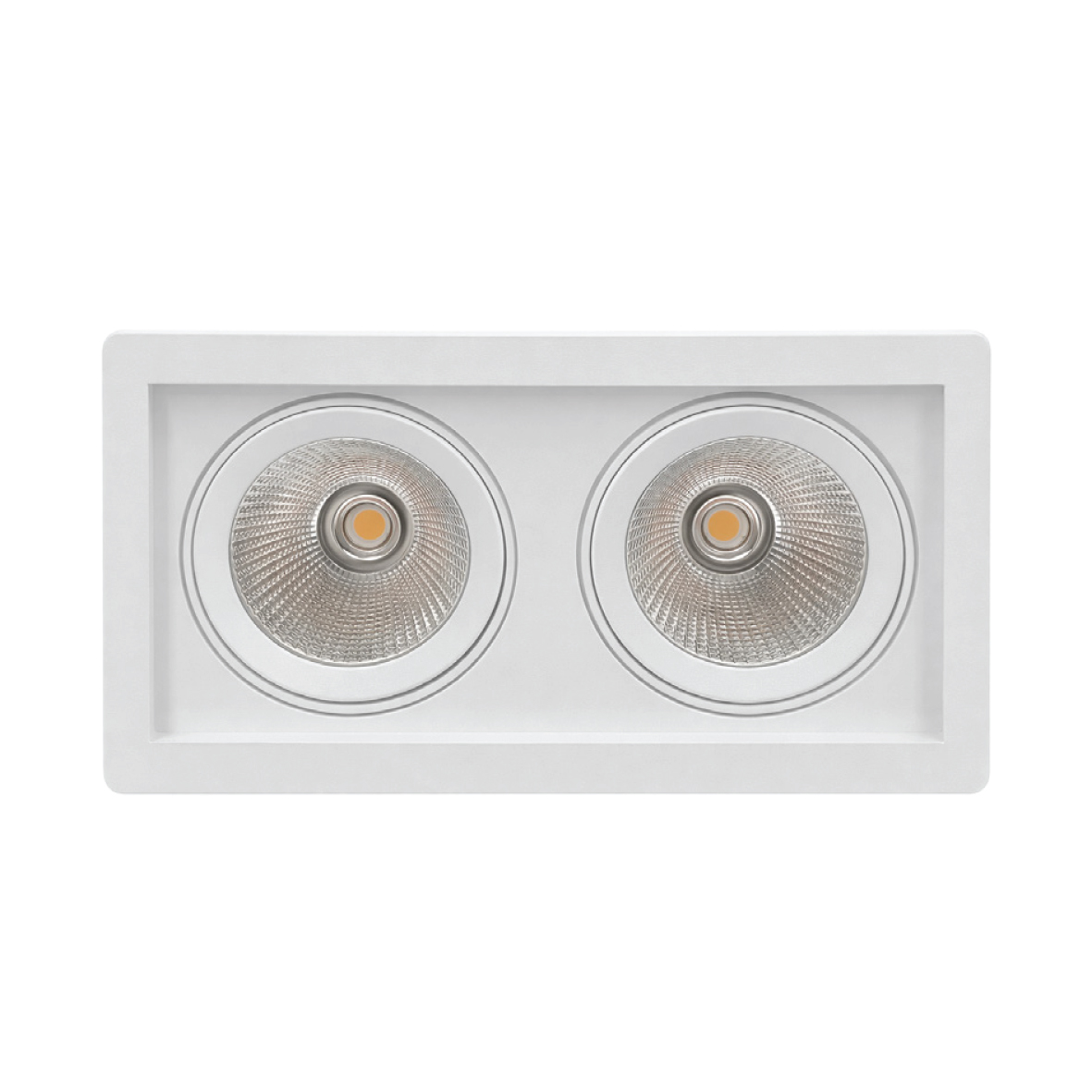
Fera-KD
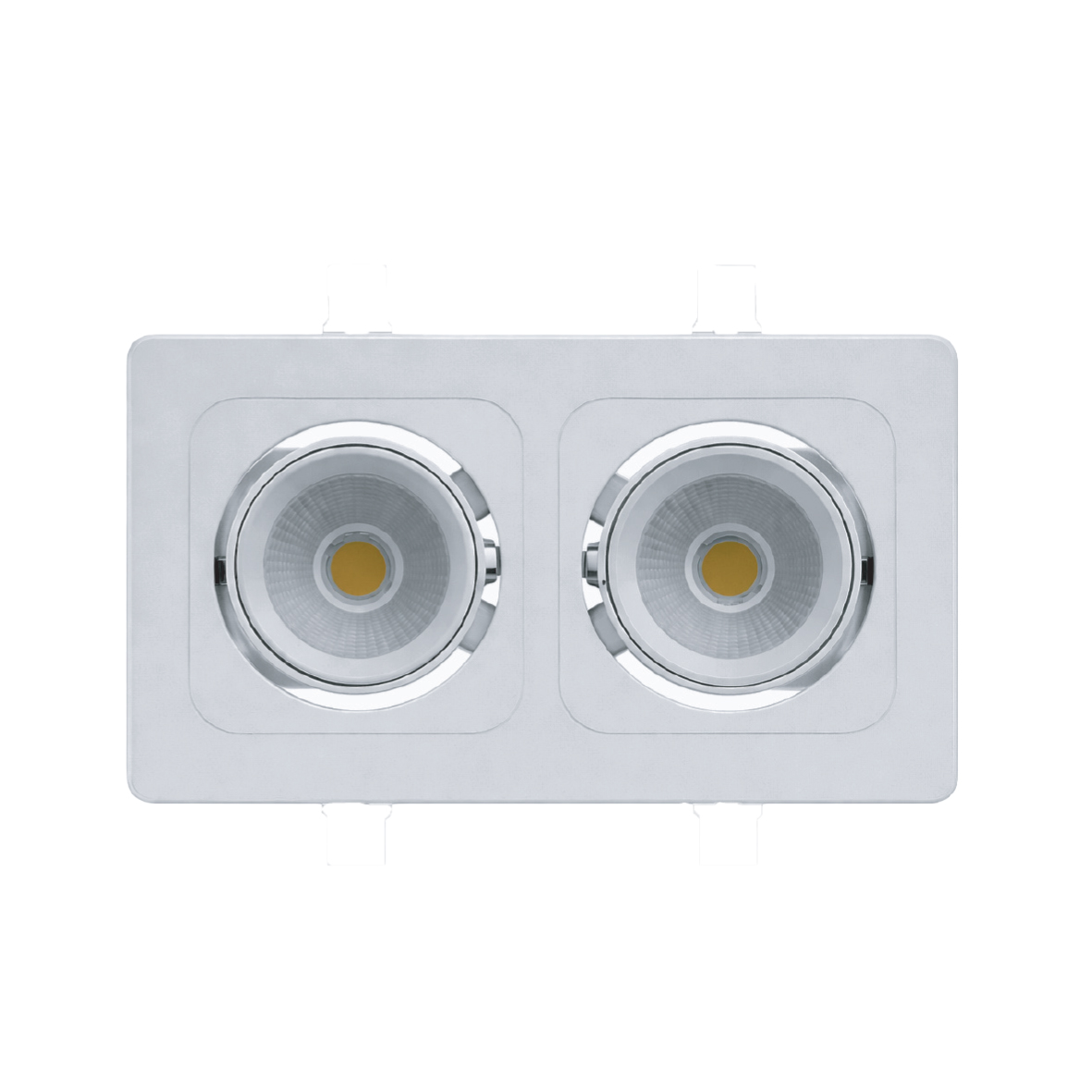
Fera-140-FD Gimbal
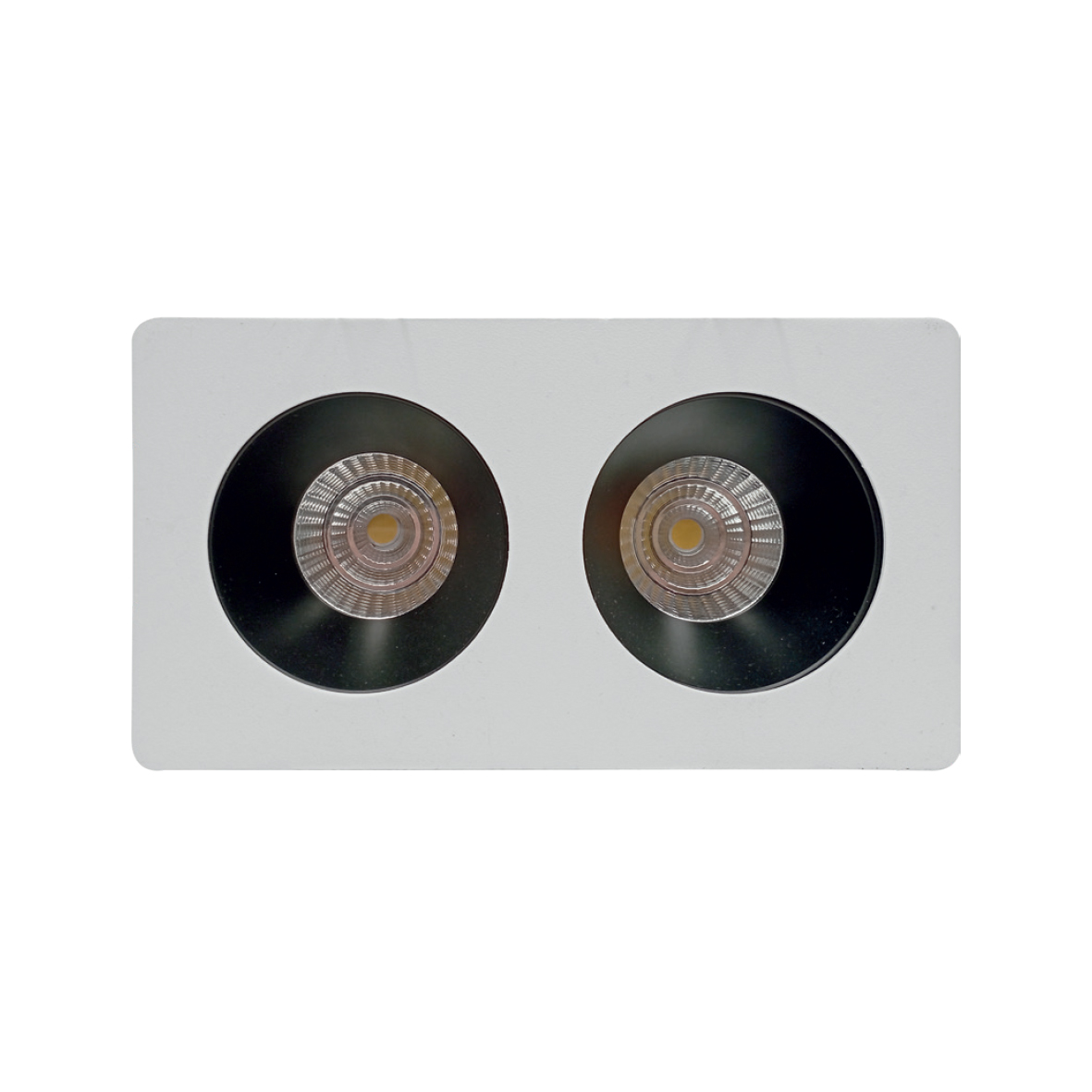
Fera-FD-UGR
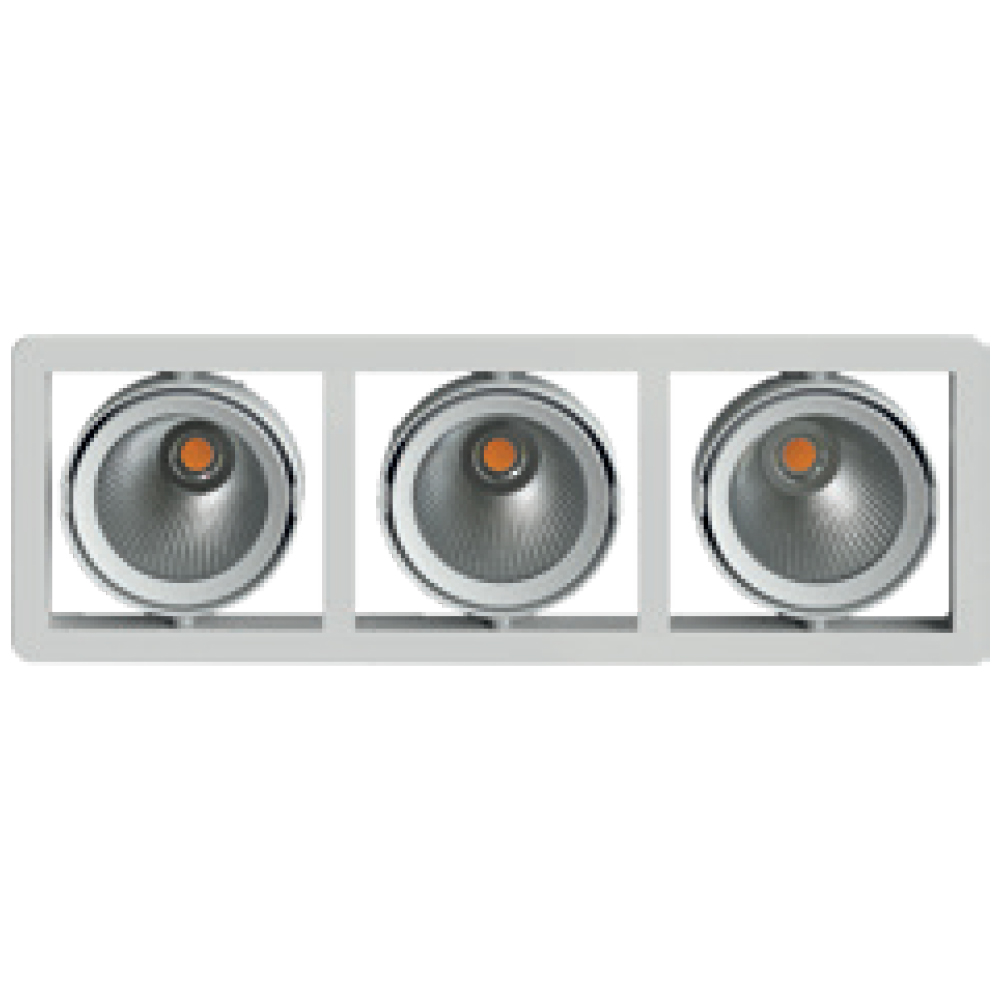
Fera-T
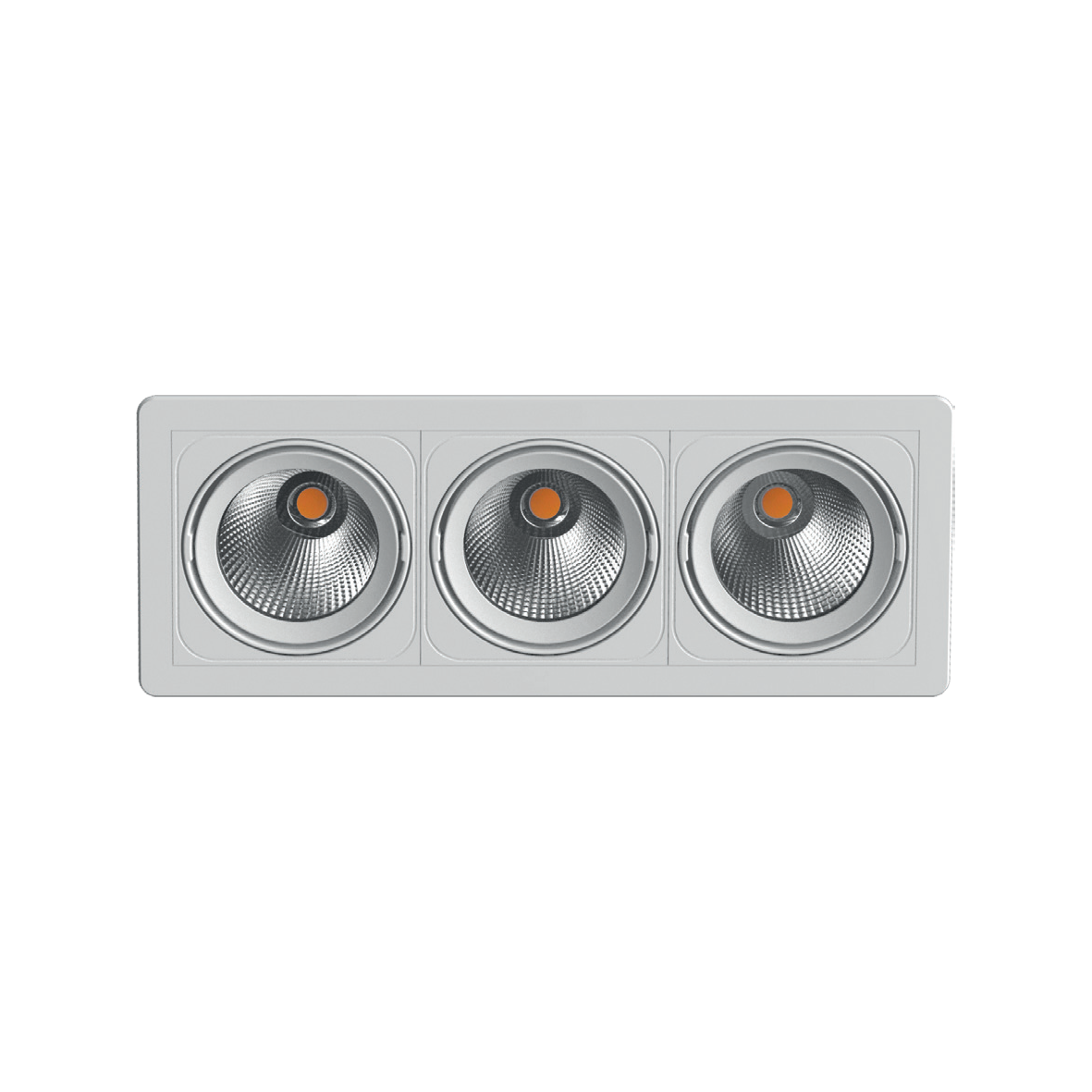
Fera-FT
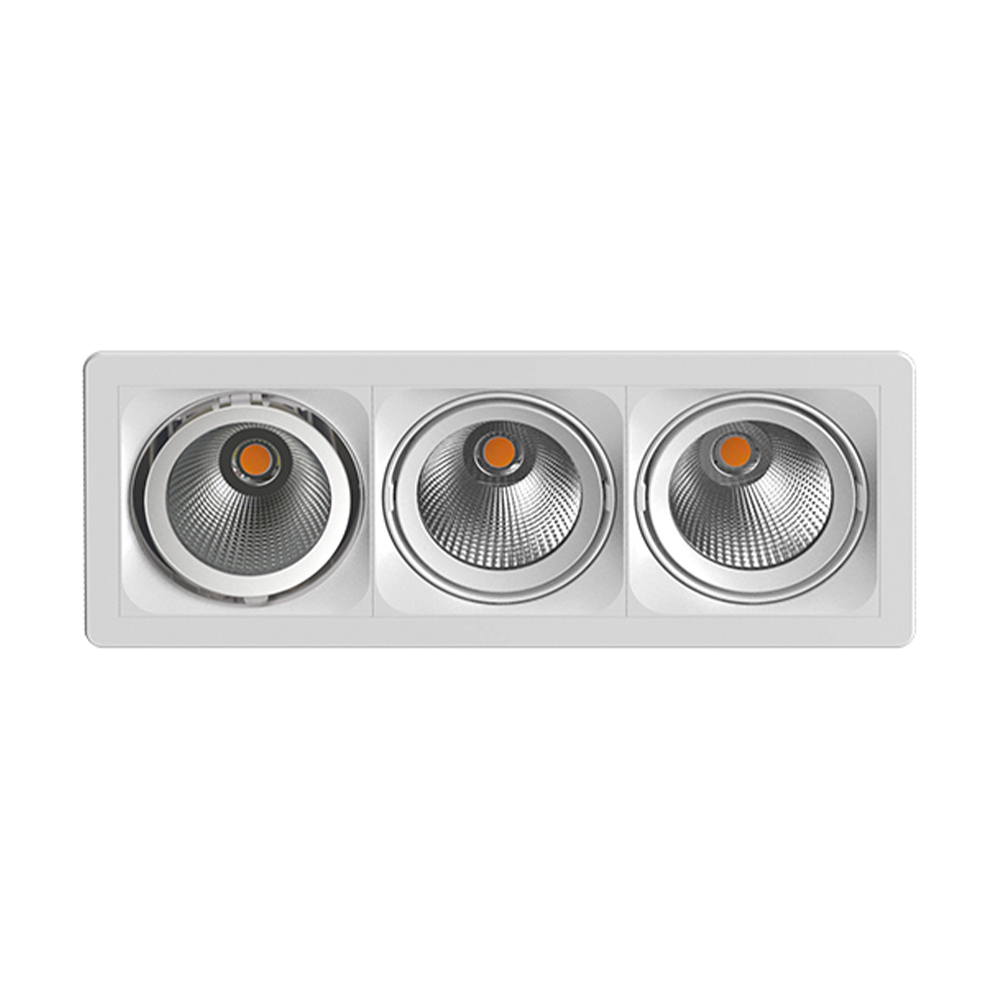
Fera-IT
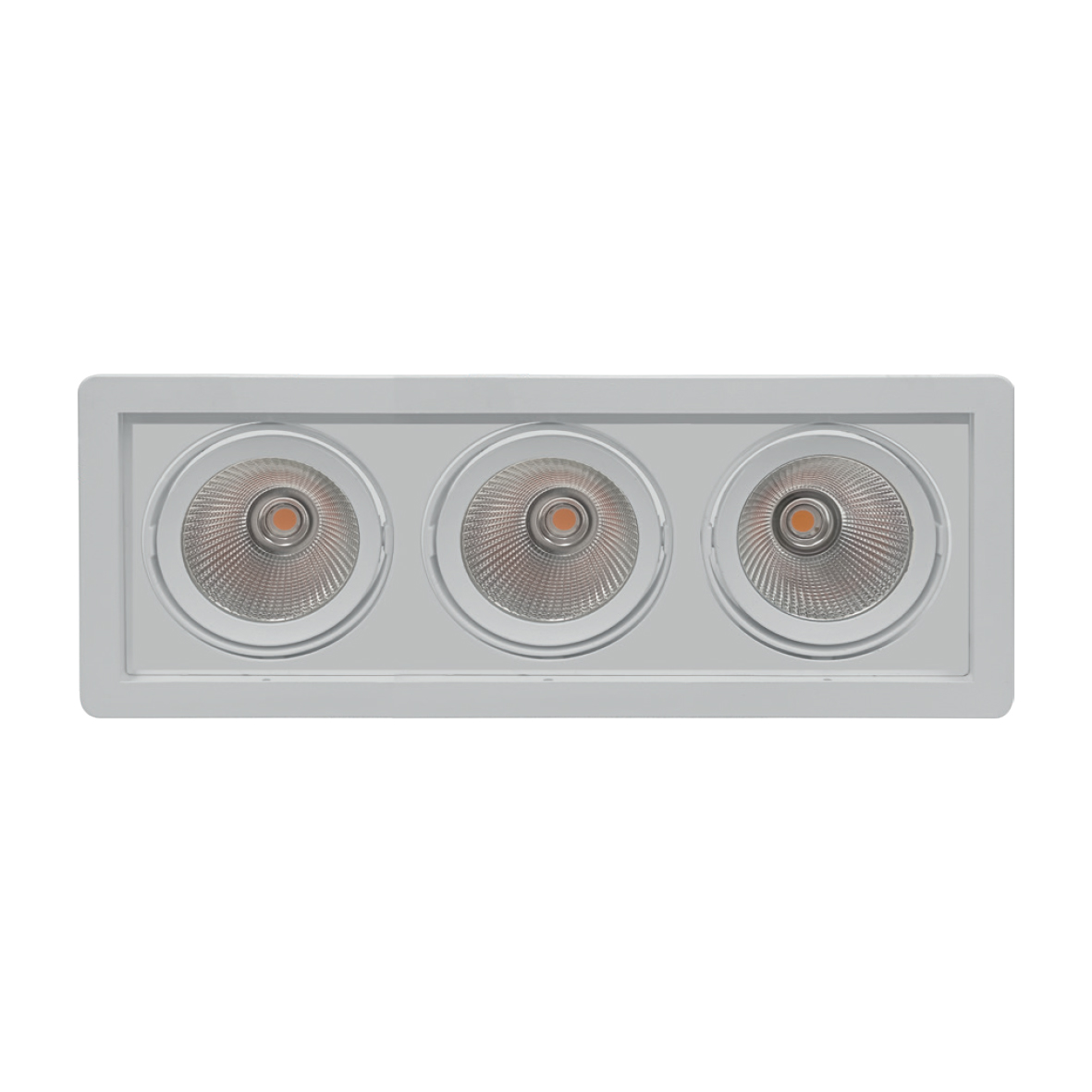
Fera-KT
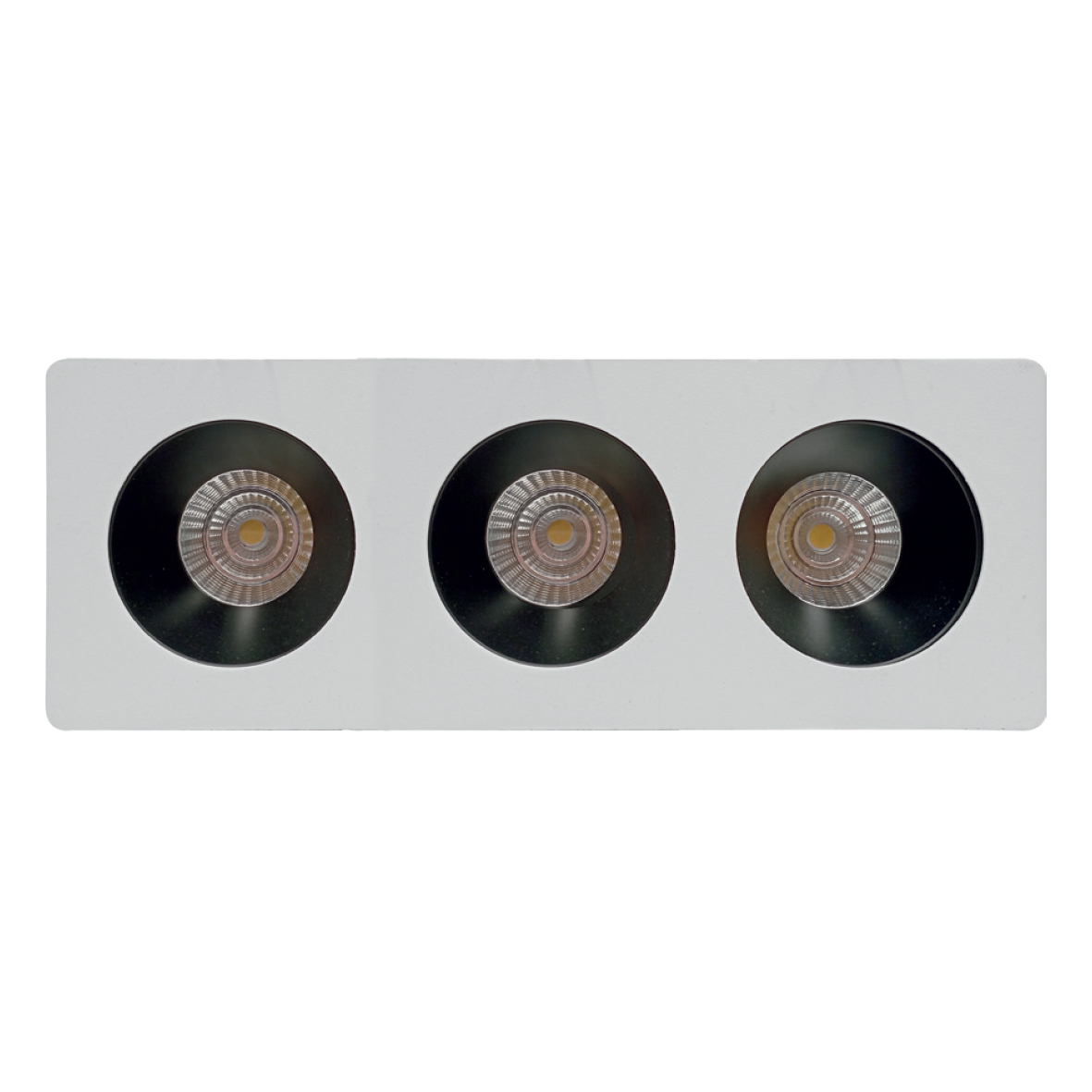
Fera-FT-UGR
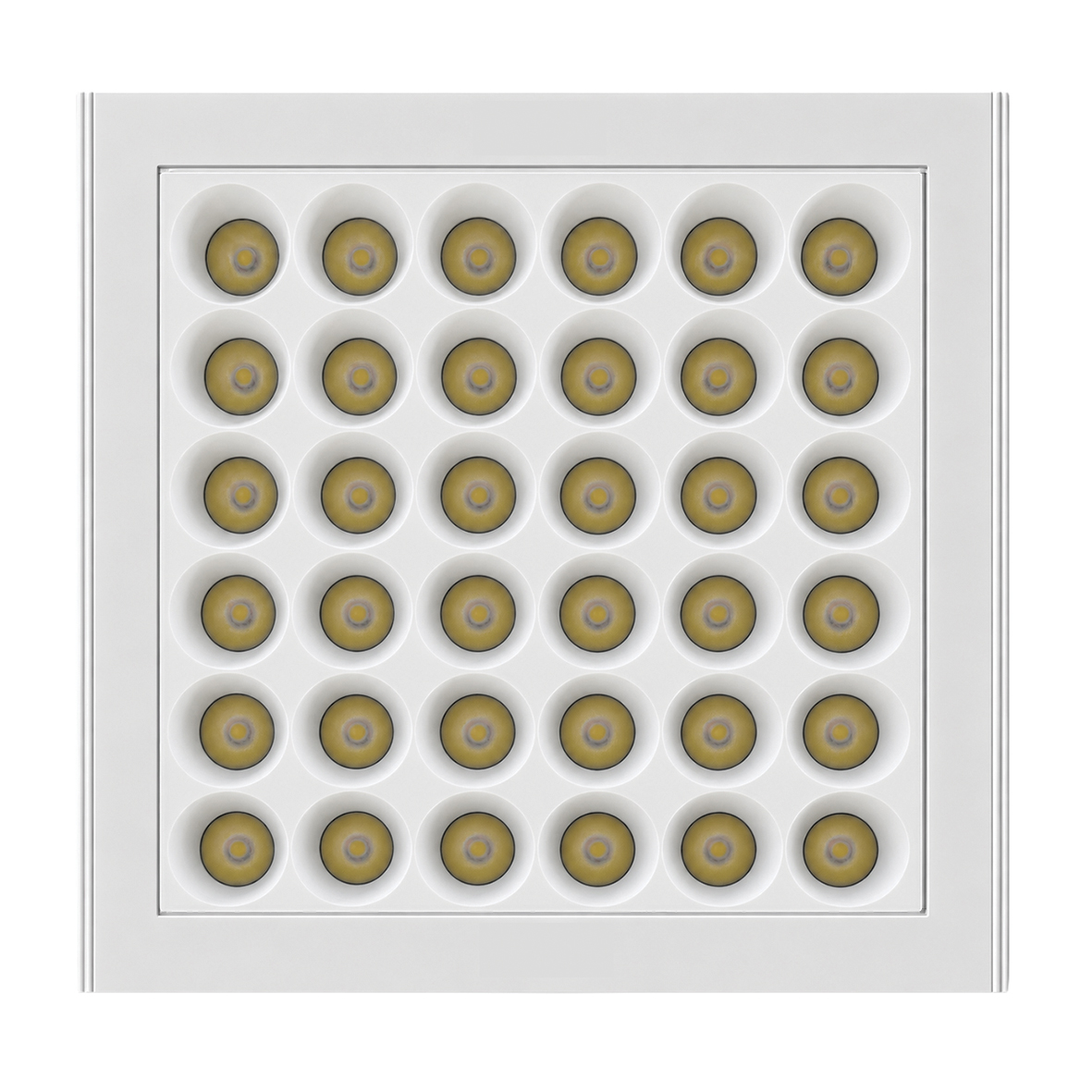
Omidra-M-AZ Trimless
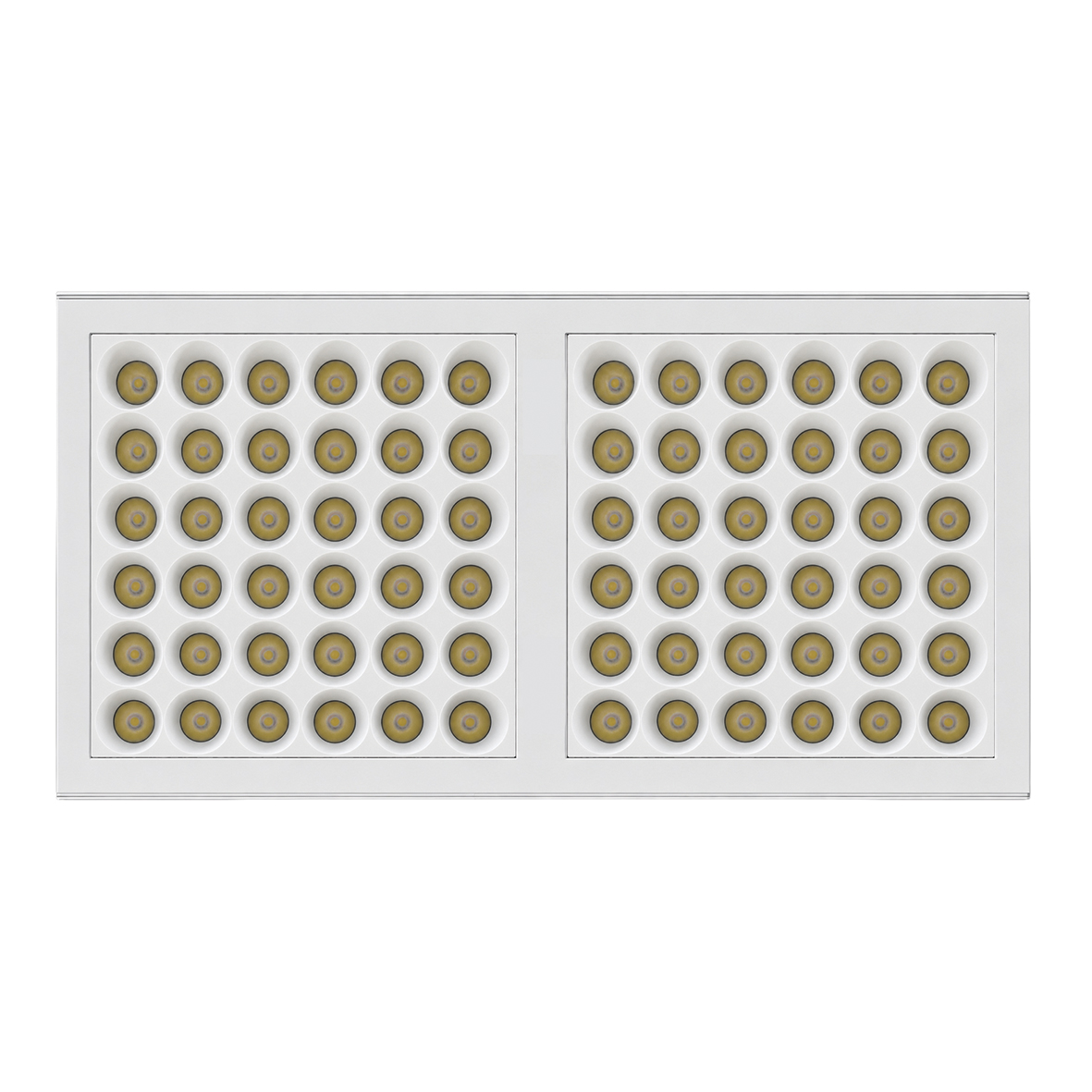
Omidra-D-AZ Trimless
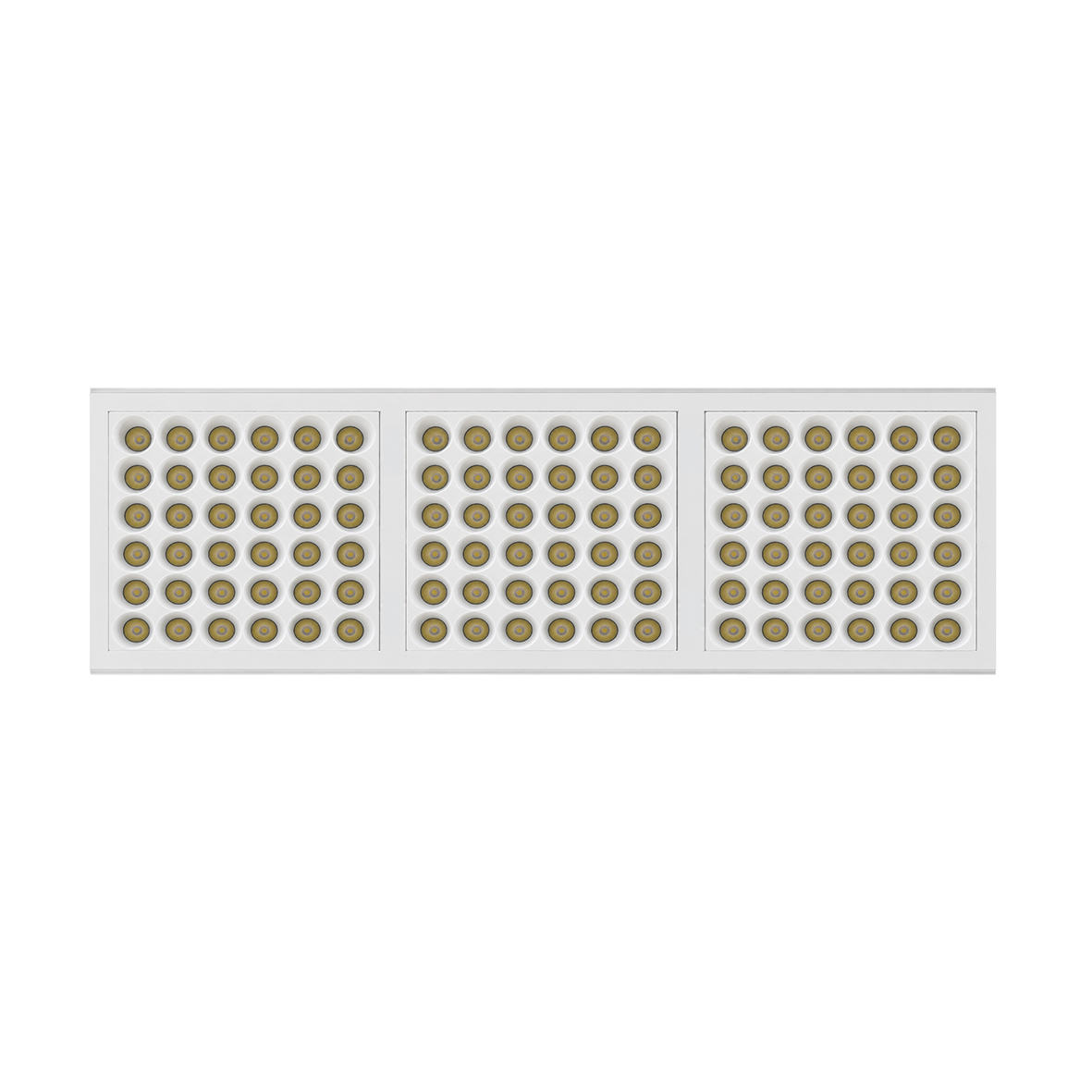
Omidra-T-AZ Trimless
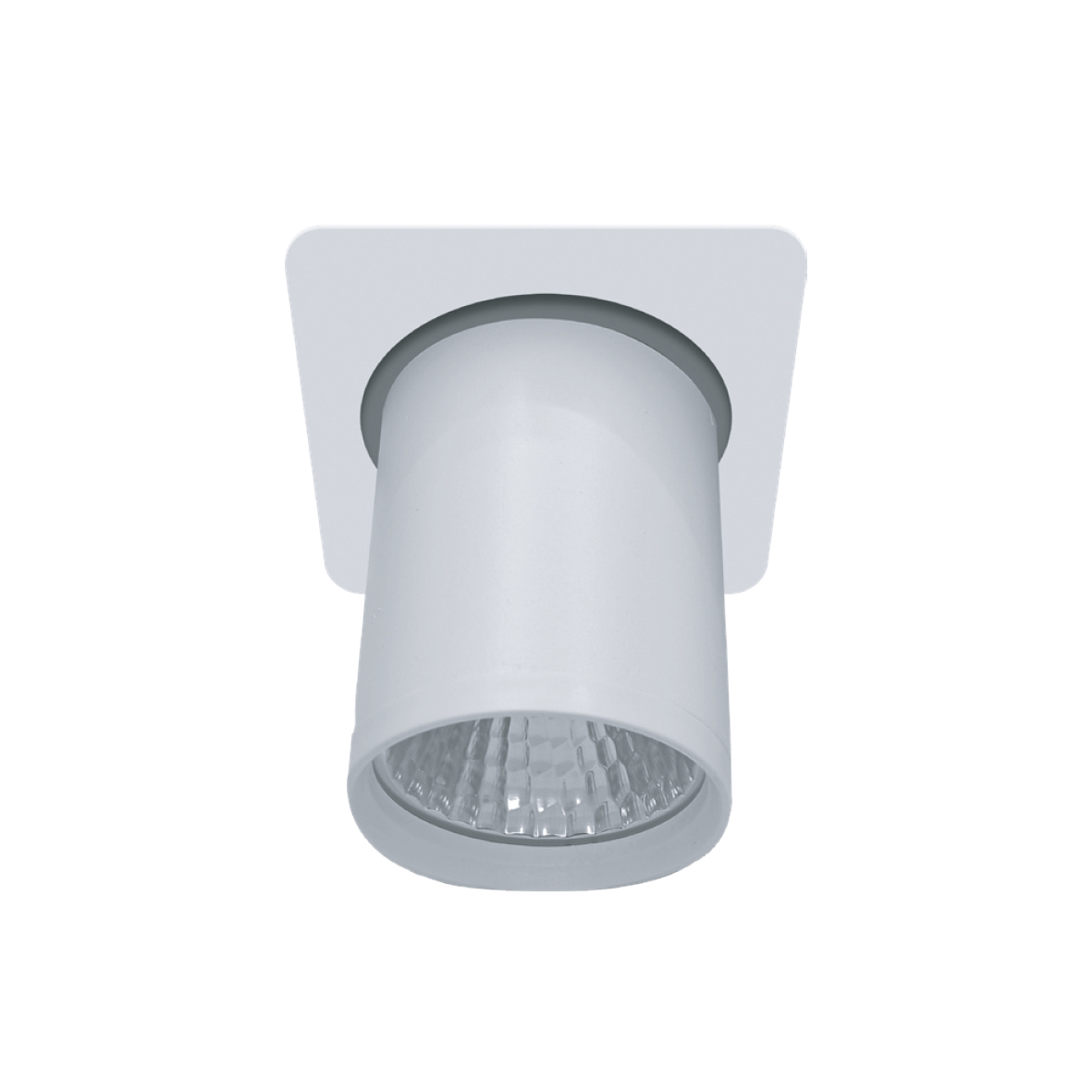
Mycena-M
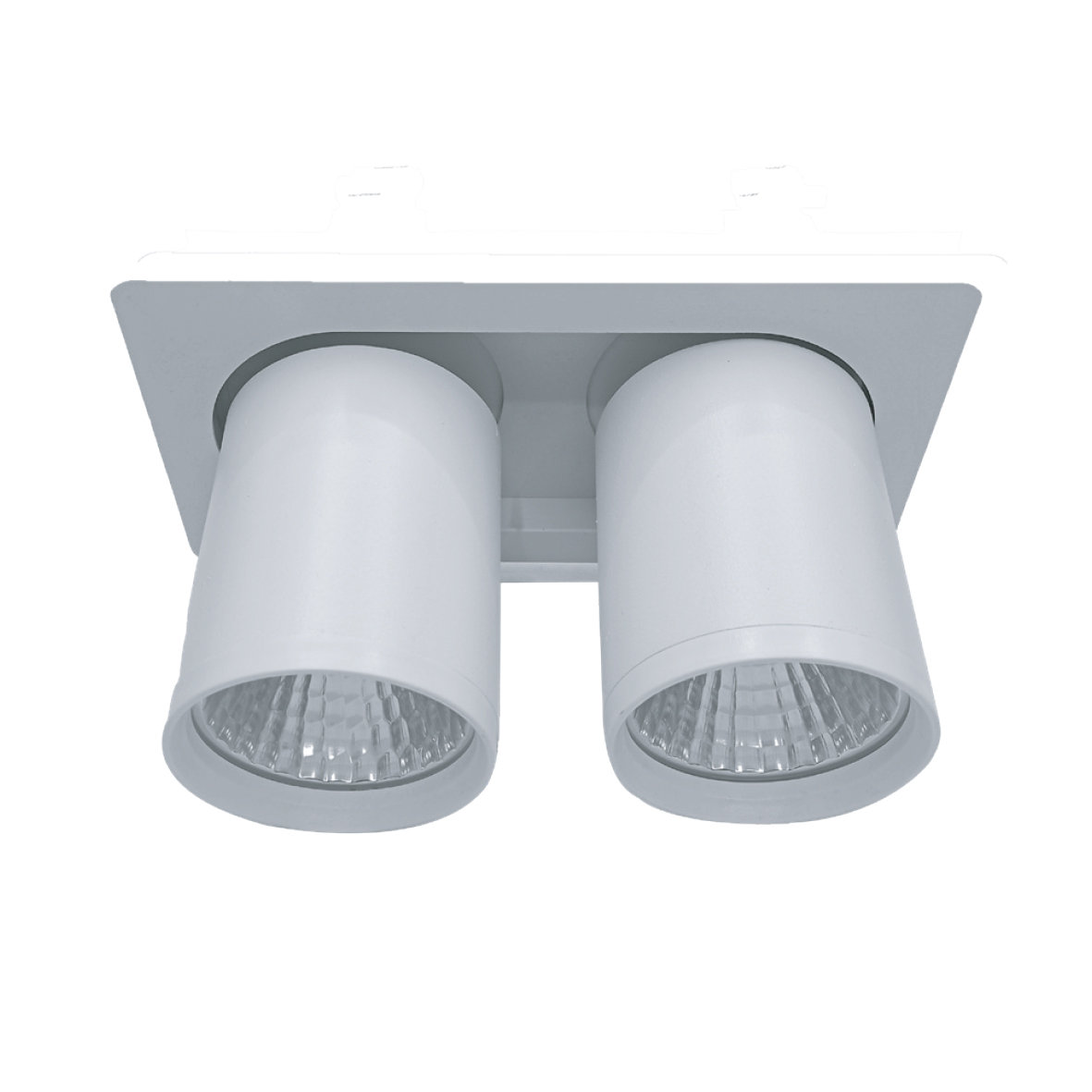
Mycena-D
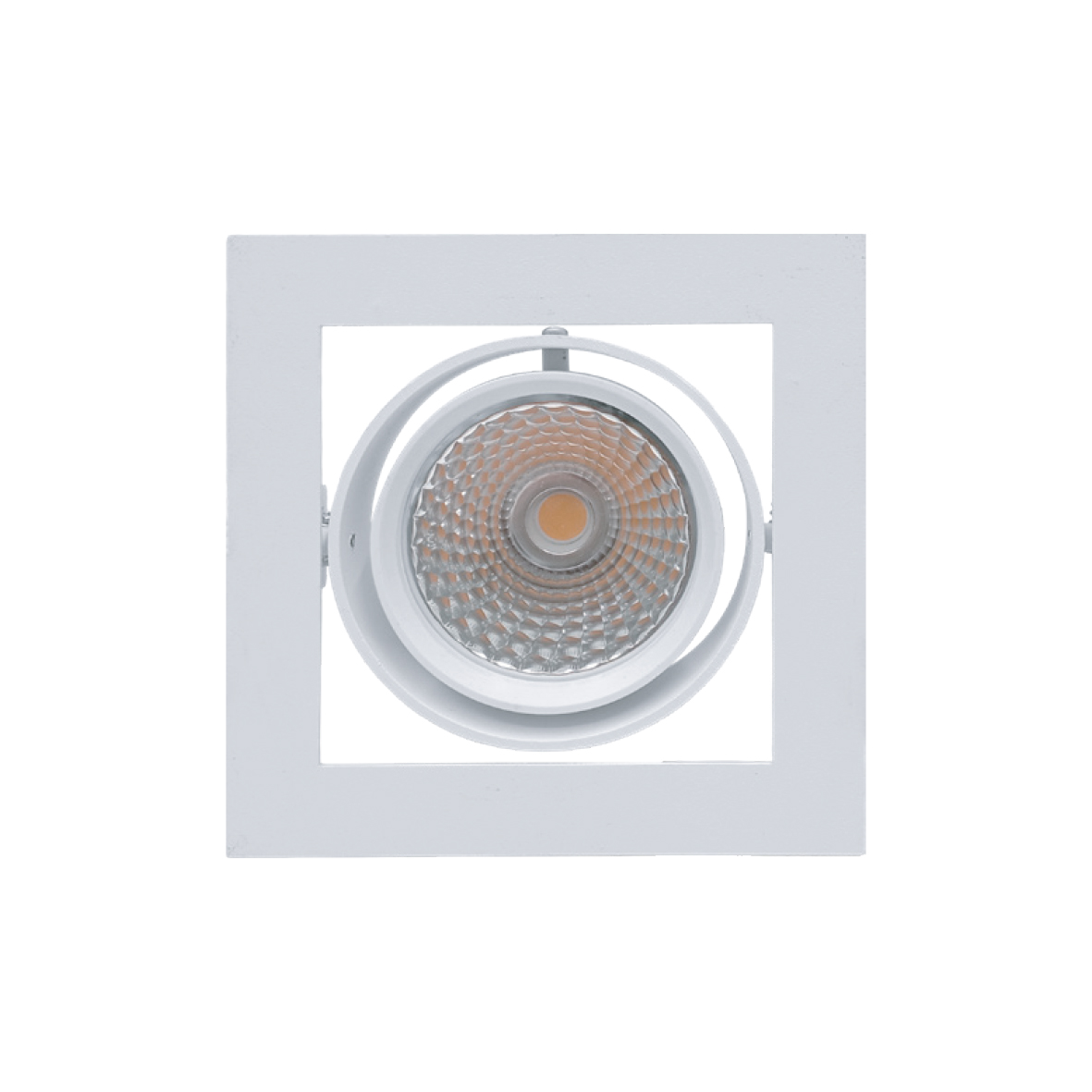
Steno-M
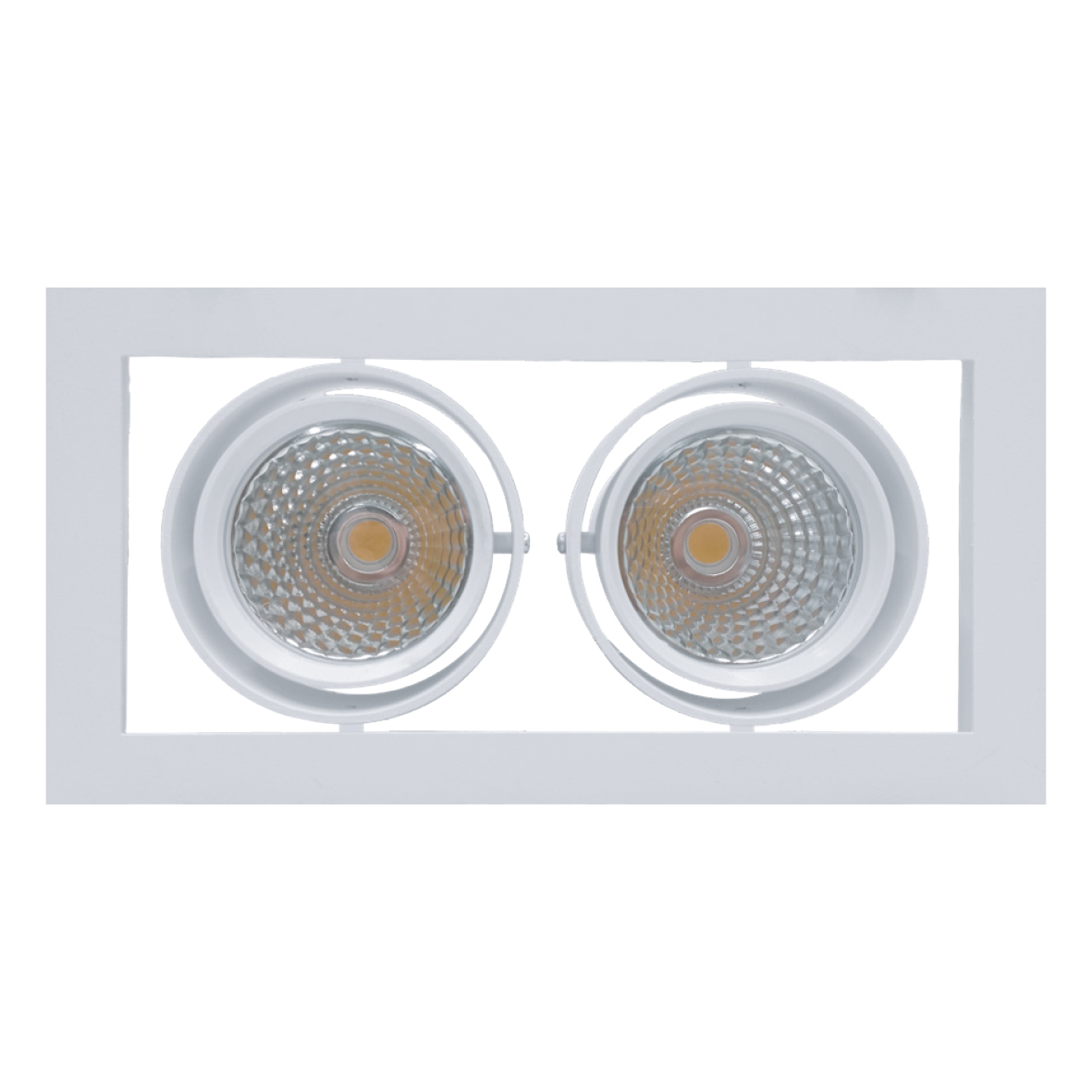
Steno-D
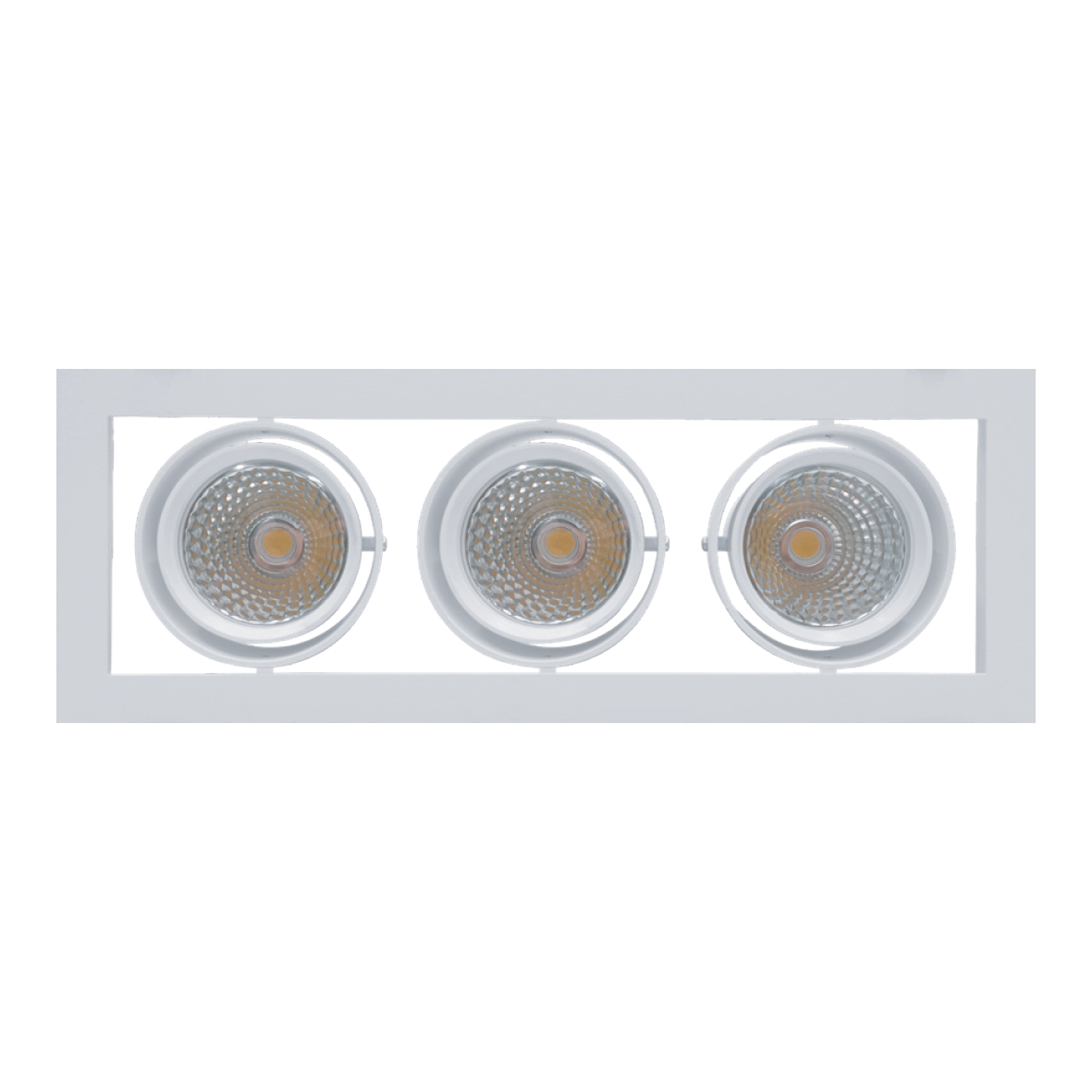
Steno-T
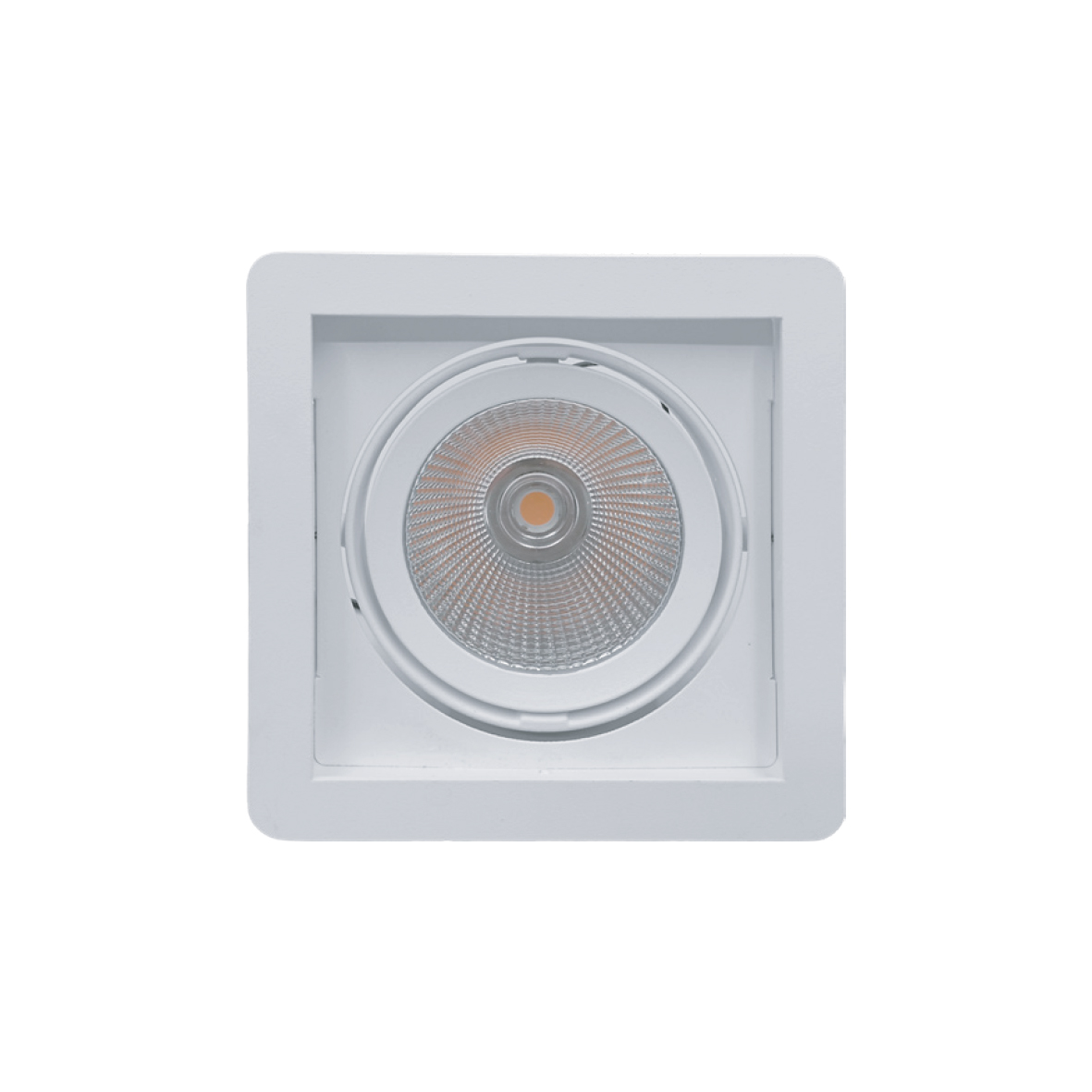
Steno-KM
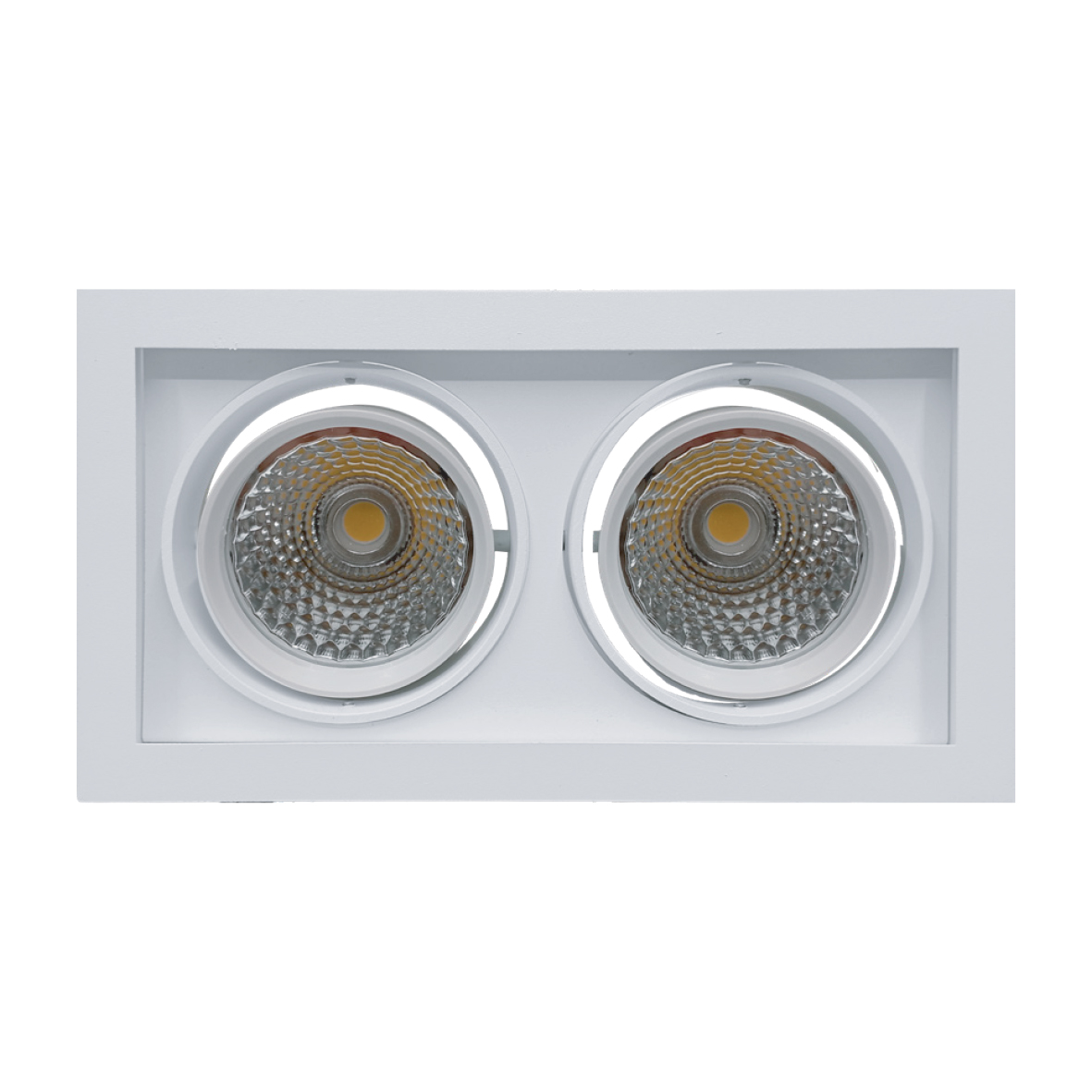
Steno-KD
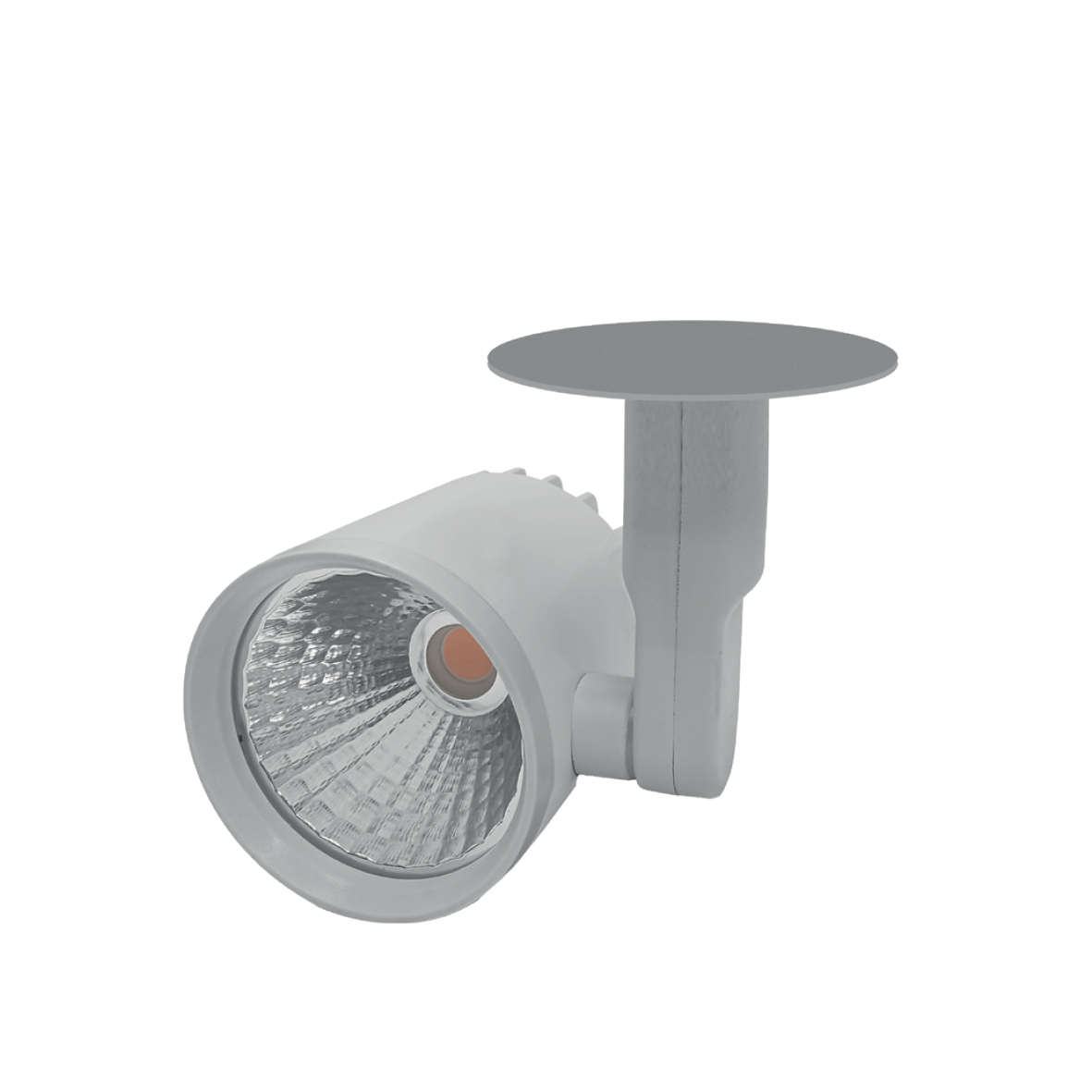
Dream-SR
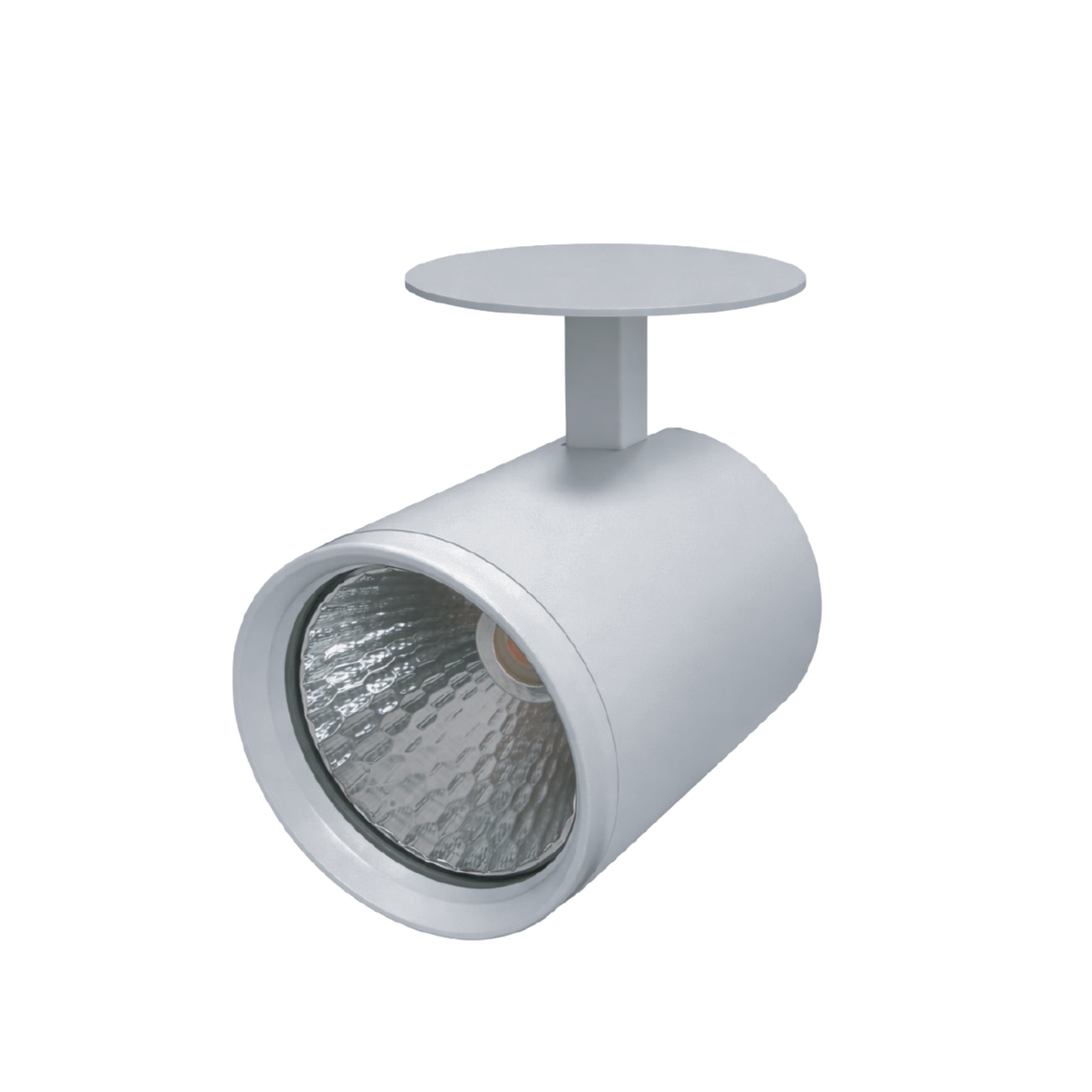
Mycena-SR
Olea
 Preparing Image
Polea-AZ
Recessed luminaires (recessed downlights) are LED luminaires installed within the ceiling. They provide an architecturally clean ceiling appearance in modern offices, hotels, retail spaces, and residential projects.
Reference values: 2700K-5000K · 600-3,000 lm · CRI ≥ 90 · 24°-110° beam angle · IP20-IP65 · UGR ≤ 19 · DALI / 0-10V / TRIAC dimming
What Are Recessed Luminaires?
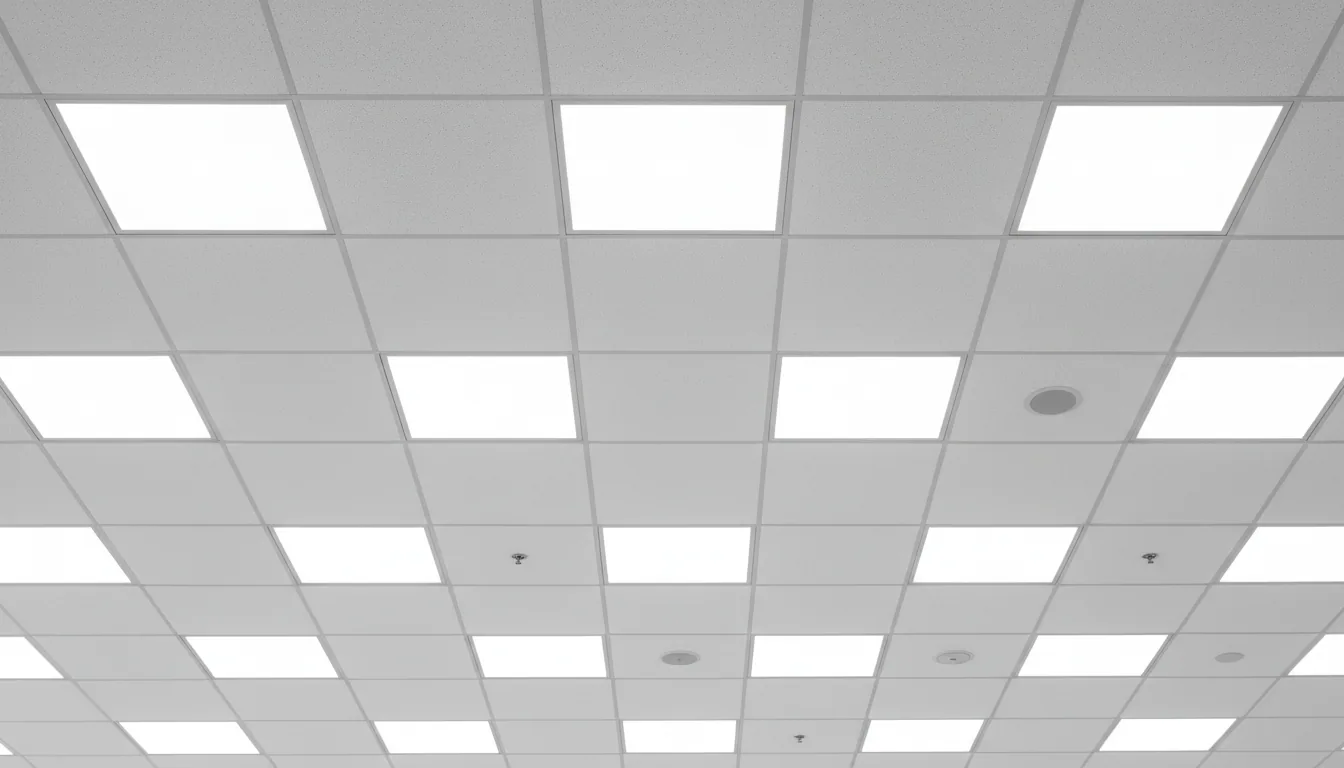
Recessed (built-in or recessed) luminaires are installed within the ceiling; only the outer frame or trim ring and the light output remain visible. The ceiling surface appears smooth and clean, while the luminaire body is concealed inside the ceiling. This structure creates a modern, minimalist, and professional architectural effect.
They are available in modular dimensions suitable for standard 60×60 cm ceiling grids in suspended ceiling systems or in round versions (Ø 80-200 mm). They can also be installed in reinforced concrete ceilings by creating a recess; however, this is a more labor-intensive and costly application. They are among the most common luminaire categories used together with suspended ceiling infrastructure in modern apartments and office buildings.
Recessed vs Surface-Mounted — Which Should Be Preferred?
The main criteria in the decision-making process:
- Suspended ceiling infrastructure: If available, recessed luminaires are the natural choice; if not, either a suspended ceiling must be constructed or surface-mounted luminaires should be preferred.
- Architectural style: Recessed luminaires are preferred for modern minimalist, luxury hotel, and premium retail projects, allowing the ceiling surface to be perceived as a single uninterrupted plane. Surface-mounted luminaires are suitable for industrial or loft-style interiors.
- Ceiling void depth: Recessed models require 80-150 mm of free space within the ceiling for the driver and housing. Special low-profile models can also be installed at a depth of 50 mm.
- Cost: The unit price of recessed luminaires is generally similar or 10-15% higher; however, suspended ceiling construction adds additional cost. In total project cost, surface-mounted luminaires are more economical for flat plasterboard ceilings.
- Ease of maintenance: In recessed models, when access to the driver and LED module is required, the ceiling access panel may need to be removed. Surface-mounted luminaires offer easier maintenance.
Applications
- Offices and meeting rooms: 4000K neutral white, models with UGR ≤ 19 microprismatic diffuser — glare-free, compliant with EN 12464-1 standard
- Hotels and restaurants: 2700K-3000K warm white, dimmable, atmospheric lighting; lobby, corridor, and in-room accent lighting
- Retail stores: Narrow beam (24°) accent spotlights + wide beam (60°) general lighting; CRI ≥ 95 + R9 ≥ 50 provide realistic colour rendering of products
- Residential projects and apartments: Compact solutions with diameters of 80-120 mm for living rooms, corridors, and kitchens
- Bathrooms: IP44 moisture-resistant versions (IP65 for wet areas), stainless steel or nickel-plated trim ring
- Healthcare facilities: Hospital corridors and patient rooms — high CRI, flicker-free, antibacterial coating
- Galleries and museums: Adjustable gimbal spotlights + wallwasher combination — low UV/IR output, dimming support
- Luxury residences: Frameless trimless versions — no visible frame between the ceiling and the luminaire, creating a minimal architectural effect
Types of Recessed Luminaires
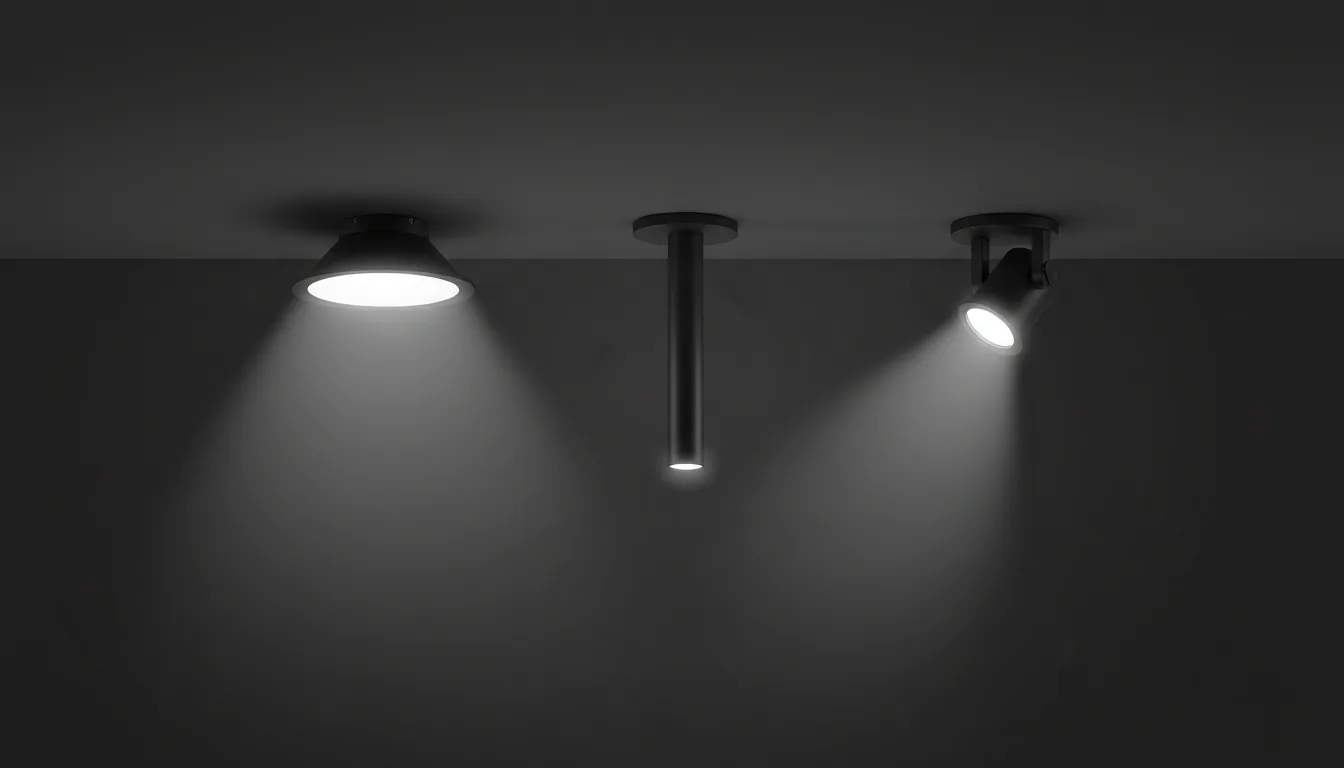
Downlight
The most common type of recessed luminaire. Models providing wide beam (90°-110°) ambient lighting. Available with round or square trims. Suitable for general lighting applications such as office corridors, hotel lobbies, and residential living areas. Typical power range is 7-24W with 700-2,400 lumens. Versions with microprismatic or opal diffusers provide glare control.
Spotlight (Accent Lighting)
Models producing focused light with narrow beam angles (24°-36°). Suitable for product highlighting, artwork illumination, and architectural accents. Critical for emphasizing individual products in retail stores and creating focal compositions above tables in restaurants. CRI ≥ 90 is mandatory — low CRI values distort product colours.
Adjustable Gimbal Spotlight
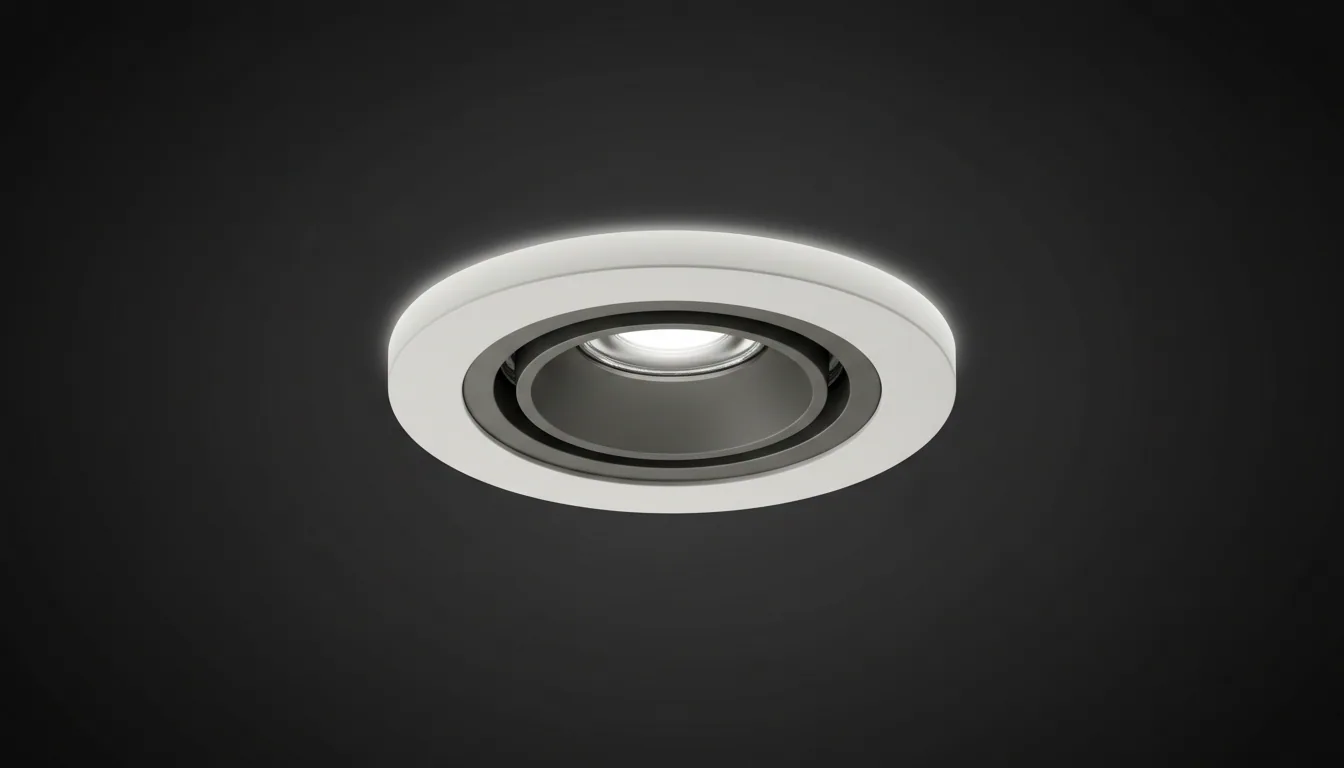
Models with adjustable aiming capability through a gimbal mechanism. Horizontal rotation up to 355° and vertical tilt between 30°-45°. Provides flexibility for directional lighting, allowing re-aiming when displays or exhibition layouts change. An essential tool for retail and gallery applications.
Wallwasher
Models with asymmetric optics designed to provide uniform wall illumination. Used in galleries, museums, lobbies, and architectural spaces to illuminate wall surfaces, highlighting artworks, textures, and finishing materials. The beam spread should correspond with the distance between the ceiling and the wall (typically 30-60 cm from the wall).
Linear Recessed
Slim-profile linear luminaires integrated into modern suspended ceilings. Available in lengths ranging from 600-1500 mm. Modular connection options for continuous linear lighting applications. Ideal for modern offices, luxury hotel corridors, and high-ceiling lobbies.
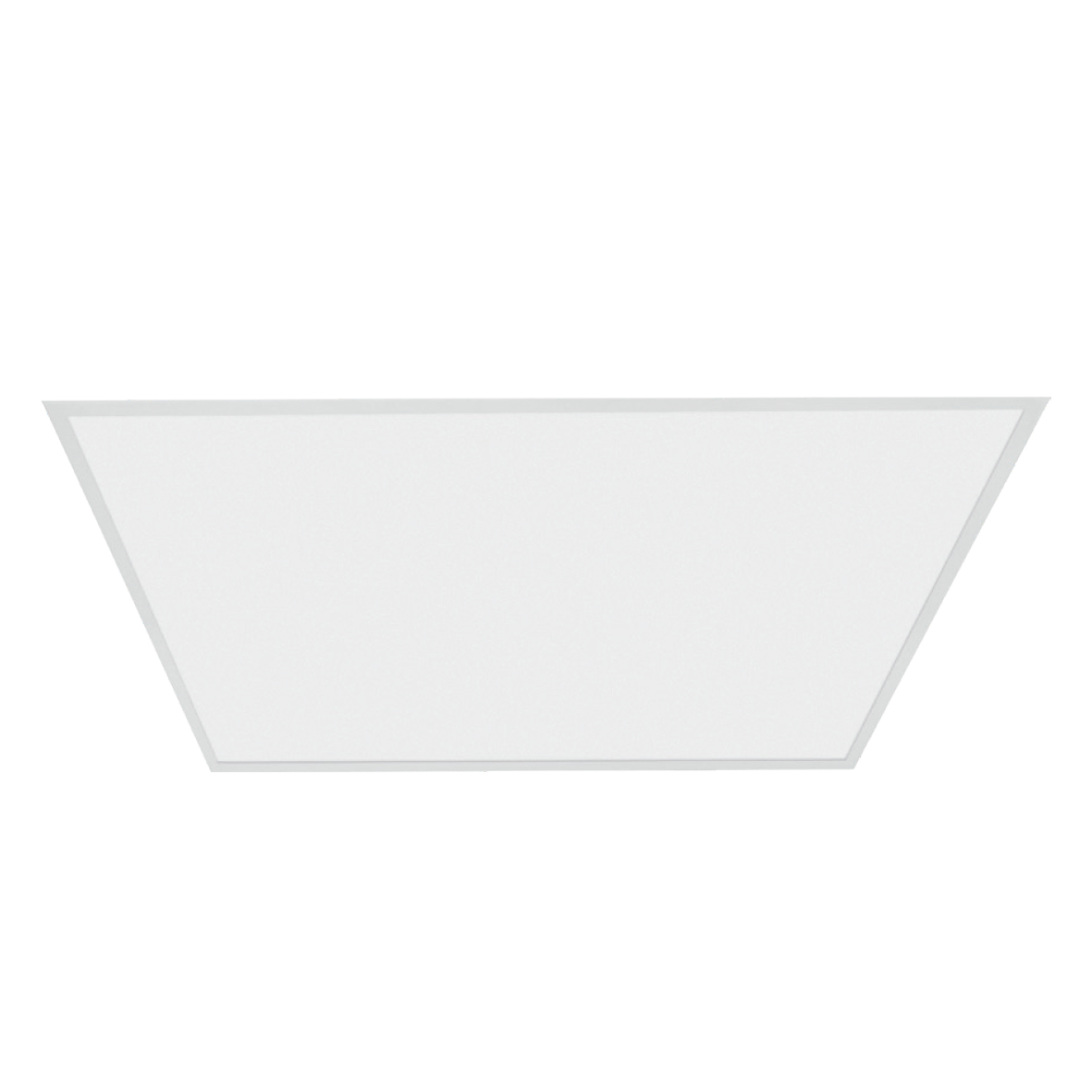
60×60 Modular Office Panel
595×595 mm panel luminaires designed for direct installation into standard suspended ceiling grids. Available with microprismatic or backlit diffuser options. UGR ≤ 19, 4000K neutral white, 30-40W. One of the most common solutions for office environments.
Trimless / Frameless Models
Frameless versions integrated into the ceiling with plaster finishing. No visible transition line exists between the luminaire and the ceiling. Designed for ultra-modern minimalist architecture. Installation should be planned together with the plastering works.
Technical Criteria
Colour Temperature (CCT)
The correct colour temperature selection determines the perception of the space:
- 2700K (warm): Luxury hotels, restaurants, residential living areas — inviting and intimate atmosphere
- 3000K (warm white): General residential applications, boutique retail, warm office environments
- 4000K (neutral white): Offices, commercial spaces, educational facilities, healthcare environments — supports concentration
- 5000K-6500K (daylight): Technical spaces, warehouses, workshops, cool retail applications (jewellery, electronics)
CRI and R9
CRI (Colour Rendering Index) measures colour accuracy on a scale of 0-100. The standard level is CRI 80, while CRI 90-95+ is recommended for retail and museum applications. For luxury fashion stores and galleries, R9 ≥ 50 is mandatory to ensure realistic rendering of red tones. Luminaires with CRI 95 and high R9 values make a significant difference in textile displays, meat counters, and art exhibitions.
Beam Angle
- 15°-24° narrow beam: Accent lighting, individual product spotlighting, artwork illumination
- 36° medium beam: Retail mid-zones, table lighting, room focal points
- 60° wide beam: General ambient lighting, corridors
- 90°+ extra wide beam: Ambient lighting, large areas
UGR (Unified Glare Rating)
UGR ≤ 19 is required for office environments according to EN 12464-1. It prevents eye fatigue during computer screen use. This can be achieved through microprismatic diffusers or deep recessed designs. It is critical for meeting rooms and educational facilities.
Driver and Dimming
Flicker-free drivers help prevent eye fatigue. Dimming options include:
- TRIAC (phase-cut): Compatible with residential dimmer switches, the most common solution
- 0-10V: Compatible with industrial and commercial control systems
- DALI-2: Smart building automation, grouping, and scene management
- Casambi/BLE: Wireless smart control, ideal for small and medium-scale projects
IP Protection and IK Impact Resistance
IP20: Dry indoor environments IP44: Humid environments (bathrooms, kitchens) IP54: Dust and water splash protection IP65: Washable areas and covered outdoor applications IK06-IK08 impact resistance is recommended for public environments such as schools, healthcare facilities, and transportation areas.
How to Calculate the Correct Number of Recessed Luminaires?
A quick practical guideline:
- Residential living room: 1 piece of 12-15W downlight per 6-9 m² (4000K, 800-1,000 lm)
- Residential corridor: 1 piece of 8-10W downlight per 4-6 m²
- General office lighting: 1 piece of 24W luminaire per 8-12 m² (UGR ≤ 19)
- Retail store ambient lighting: 1 piece of 15-20W luminaire per 4-6 m² (CRI 90+)
- Retail store accent lighting: Separate narrow beam spotlight for each product display point
For accurate calculations, photometric analysis using DIALux or Relux is recommended — particularly for commercial and office projects, where it is considered standard practice. EN 12464-1 recommends 500 lux for general office lighting and 750 lux for task areas.
Ledova Recessed Luminaire Product Family
Available in standard compact series (Ø 80 mm), professional medium series (Ø 120-150 mm), and premium large series (Ø 180-200 mm) configurations:
- Residential series: 80-100 mm diameter, 7-12W power, economical downlights
- Office series: UGR ≤ 19 microprismatic optics, 60×60 modular square panels or 200 mm round luminaires, 4000K neutral white
- Professional retail series: Adjustable gimbal, CRI 95+, R9 ≥ 50, 24°-60° lens options
- Bathroom series: IP44/IP65, dimmable, stainless steel trim
- Hotel and hospitality series: Frameless trimless design, 2700K-3000K, DALI dimming
- Gallery/museum series: CRI 97+, low UV/IR output, adjustable, dimmable
- Linear recessed series: 600/1200/1500 mm lengths, modular construction, microprismatic optics
All our products are CE, RoHS, and EPREL registered, with LM-79 and LM-80 reports available. Compliant with EN 60598-1, EN 60598-2-2, and EN 12464-1 standards.
Frequently Asked Questions
Is there a difference in installation between suspended ceilings and reinforced concrete ceilings?
In suspended ceilings, the luminaire housing can be easily installed within the ceiling void; only a circular or square cut-out is required. In reinforced concrete ceilings, a recess must be created and electrical wiring routes must be prepared — this is both a more labor-intensive and costly application. Most of our modern luminaires are compatible with both ceiling types; however, additional installation accessories (recessed housing, depth adapter) may be required for reinforced concrete applications.
IP44 or IP65 for bathrooms?
IP44 is sufficient for general bathroom areas; however, IP65 is required for shower cabins and areas exposed to direct water jets. Selection should be made according to the EN 60598 bathroom zoning standard (Zone 0-1-2-3): IP44 above washbasins, IP65 with 12V SELV supply inside shower areas.
What is the lifetime of a recessed luminaire?
Professional models offer an L80 lifetime of 50,000 hours, while premium series provide an L90 lifetime of 50,000 hours. At 8 hours of daily operation, this corresponds to approximately 17 years of service life. Even in high-usage environments such as offices and retail stores, 8-12 years of continuous operation can be expected. Driver quality is one of the most critical factors directly affecting lifetime performance.
How many downlights are required and how should they be calculated?
For a typical residential application, one downlight is recommended per 6-9 m²; for offices, one luminaire per 8-12 m² (with attention to UGR requirements). For retail applications, one ambient luminaire per 4-6 m² plus separate accent spotlights is recommended. For precise calculations, photometric analysis using DIALux or Relux is recommended — EN 12464-1 specifies 500 lux as the recommended general lighting level for offices.
What does UGR ≤ 19 mean and why is it important?
UGR (Unified Glare Rating) is an index that measures the level of visual glare. According to EN 12464-1, UGR ≤ 19 is required for office and educational environments. In spaces where computer screens are used, glare can cause eye fatigue and headaches. Microprismatic diffusers or deep recessed luminaires help achieve this value.
How much more expensive are trimless / frameless luminaires compared to standard models?
They are typically 30-50% more expensive. In addition, plaster finishing requires special attention during installation. They are preferred in design-focused and luxury projects because they leave no visible transition line on the ceiling. In standard commercial projects, framed versions are generally more practical and economical.
Can recessed LED luminaires be dimmed?
The majority of our models support dimming. TRIAC dimming is compatible with residential dimmer switches, 0-10V with industrial control systems, and DALI-2 with smart building automation. Casambi (BLE) wireless dimming provides ease of application in small- and medium-scale projects. Dimming requirements should be determined during the project design stage so that the appropriate driver type can be selected.
Which CRI and colour temperature are suitable for retail applications?
As a general rule, CRI ≥ 90 is recommended for accurate product colour rendering, while CRI ≥ 95 with R9 ≥ 50 is preferred in luxury retail applications. Colour temperature depends on the sector: fashion stores typically use 3000K-3500K (warm and inviting), jewellery stores 4000K-5000K (brightness and cool clarity), cosmetics stores 3500K-4000K (natural skin tone rendering), and electronics stores 4000K-5000K. Adjustable spotlights allow easy re-aiming whenever display layouts change.