
Linear Luminaires
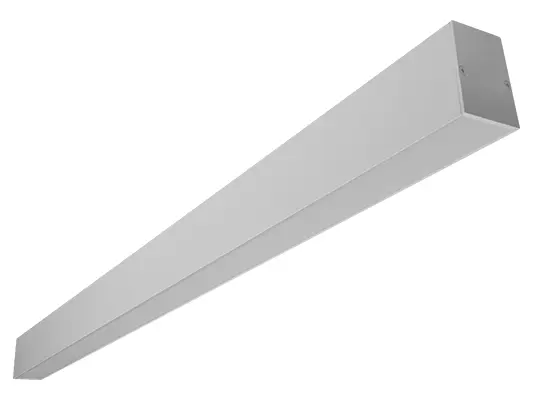
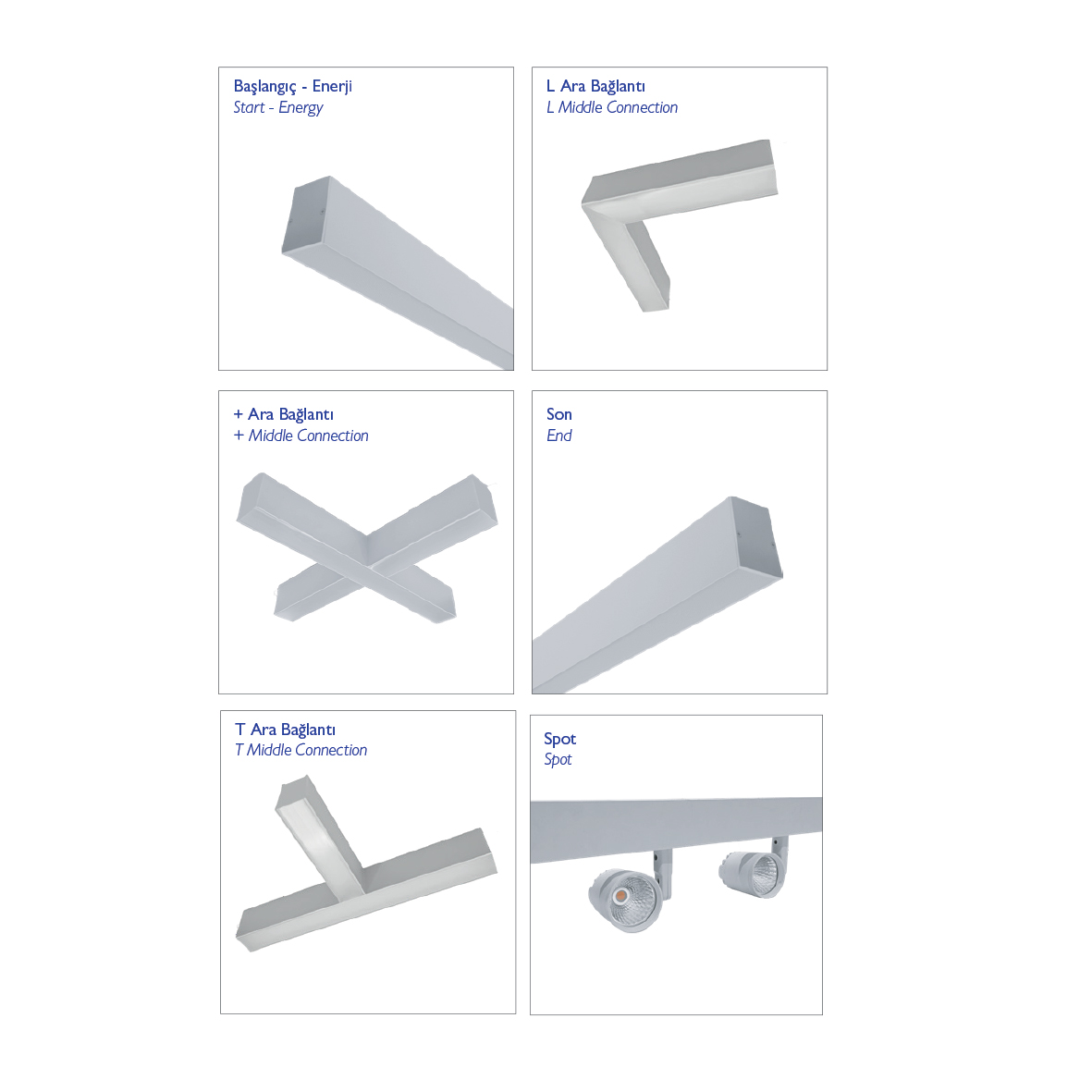
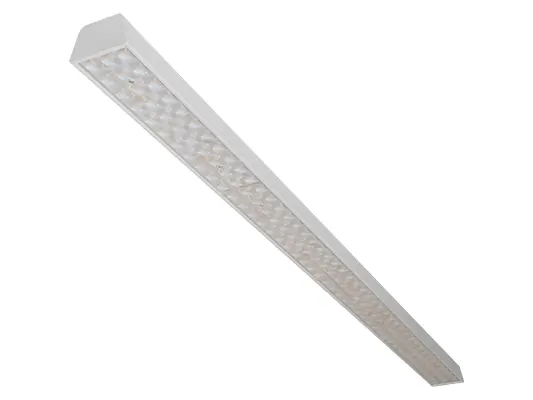
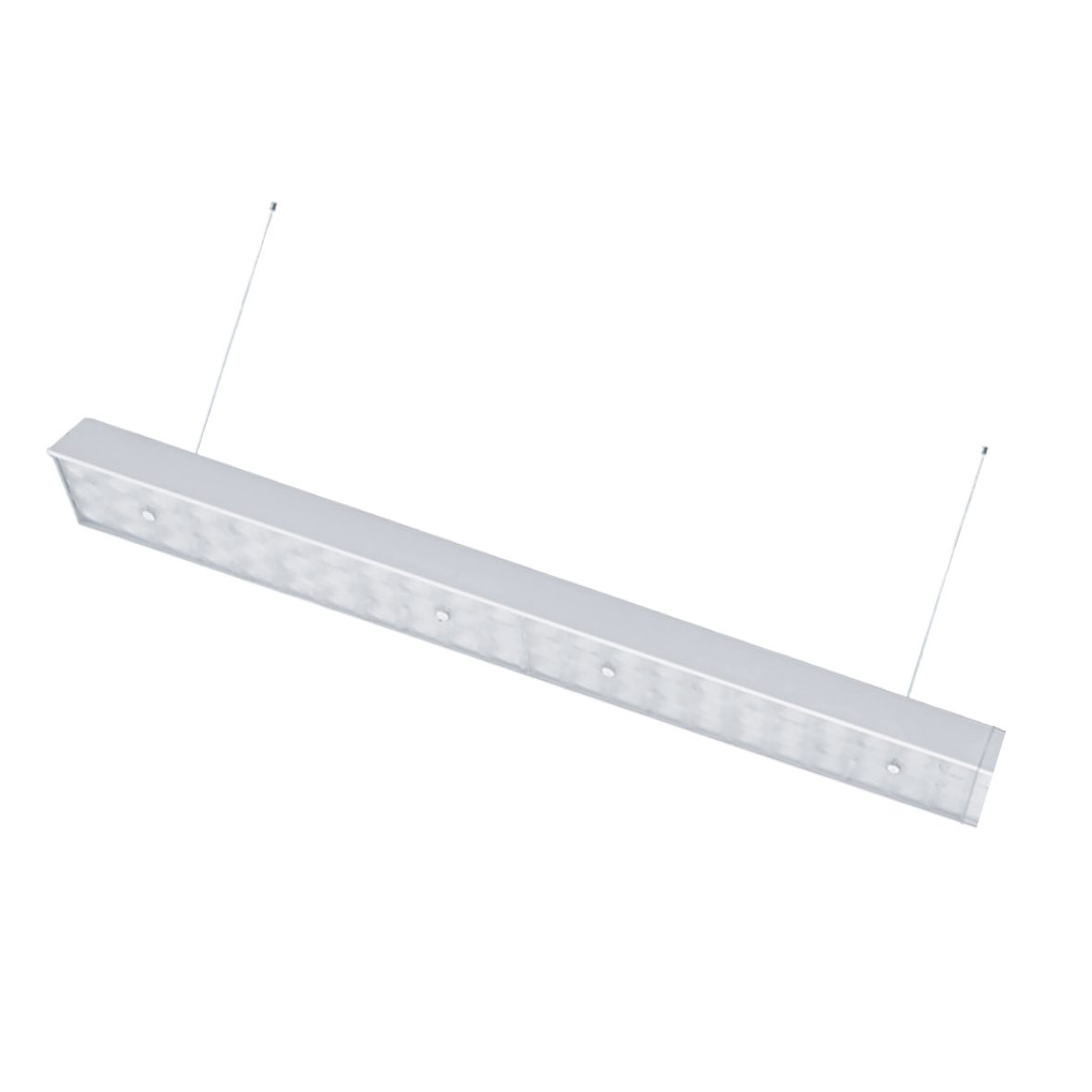
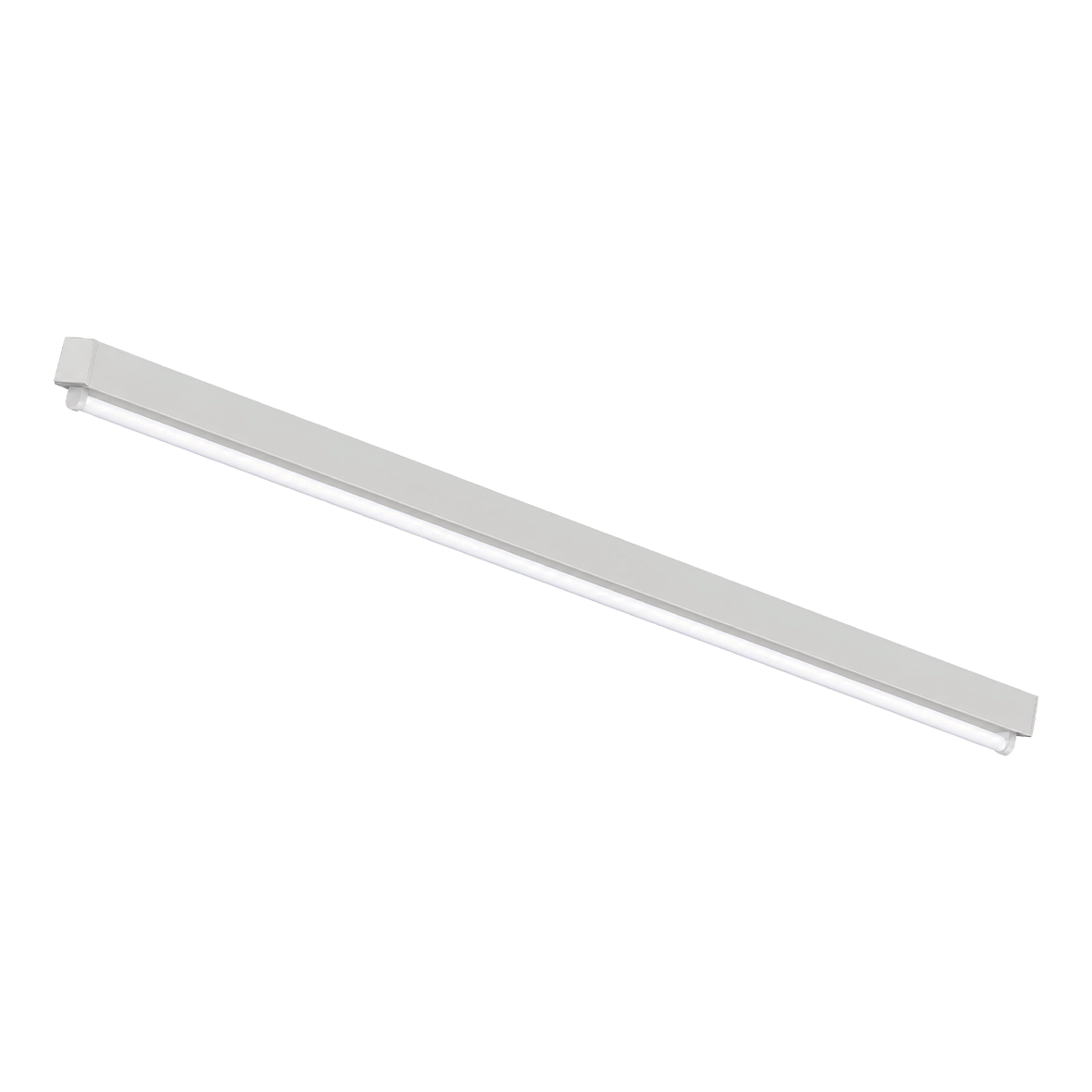
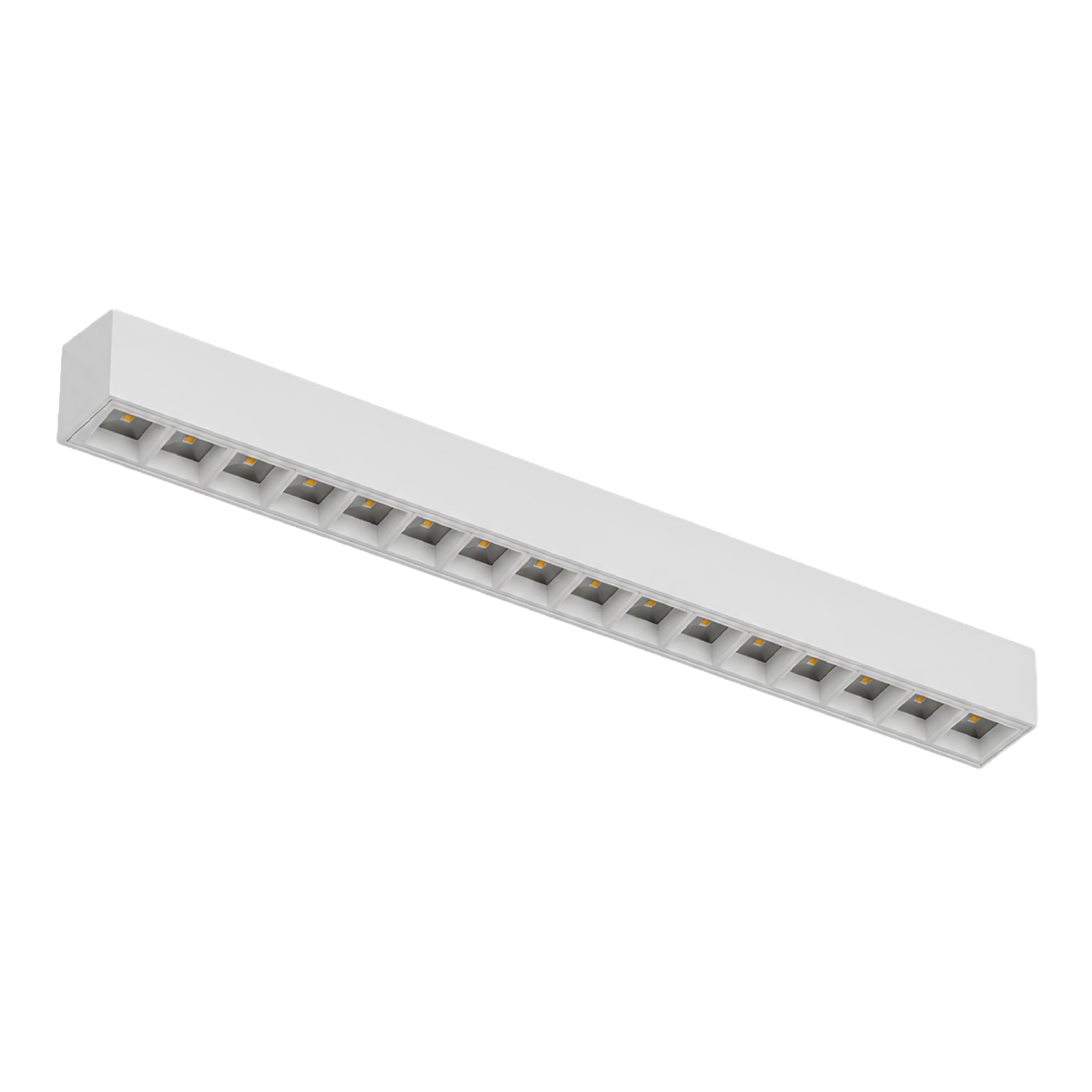
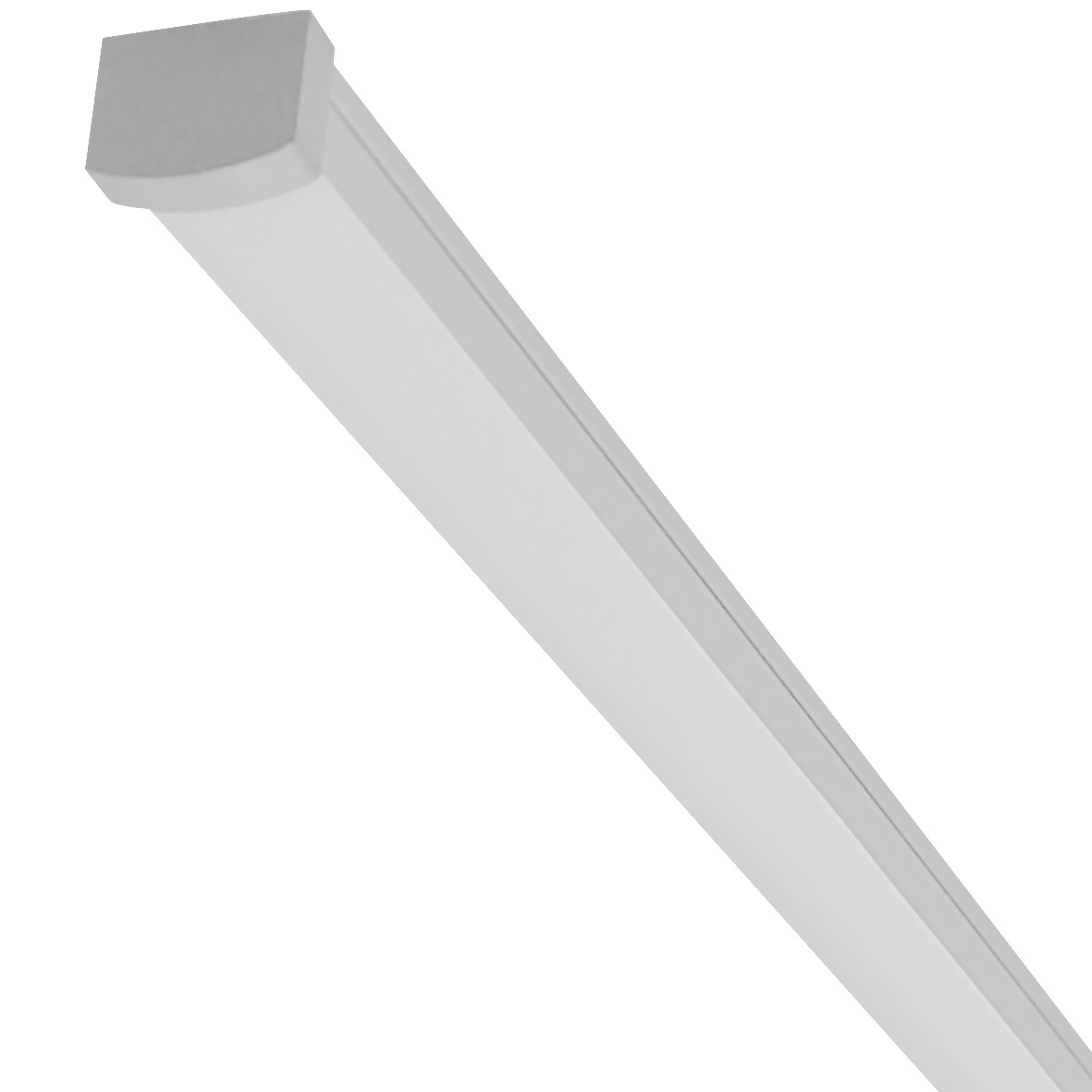
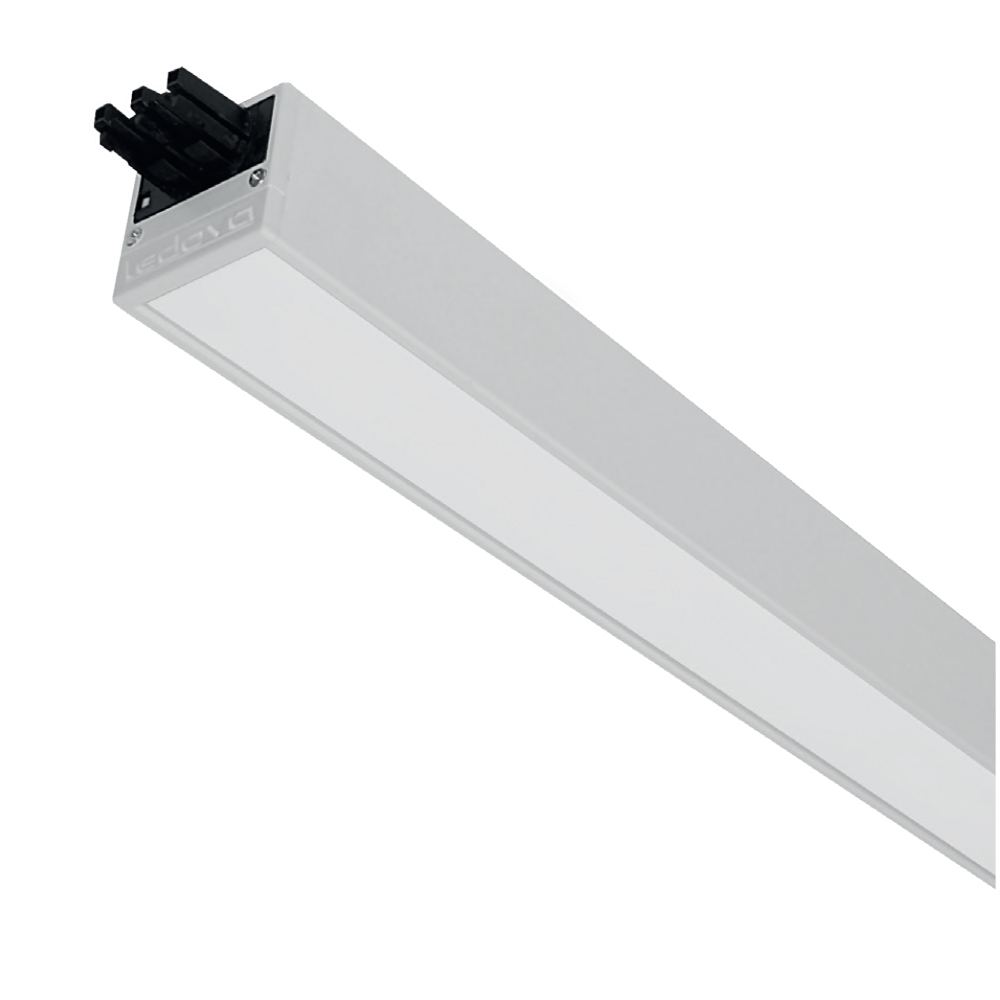
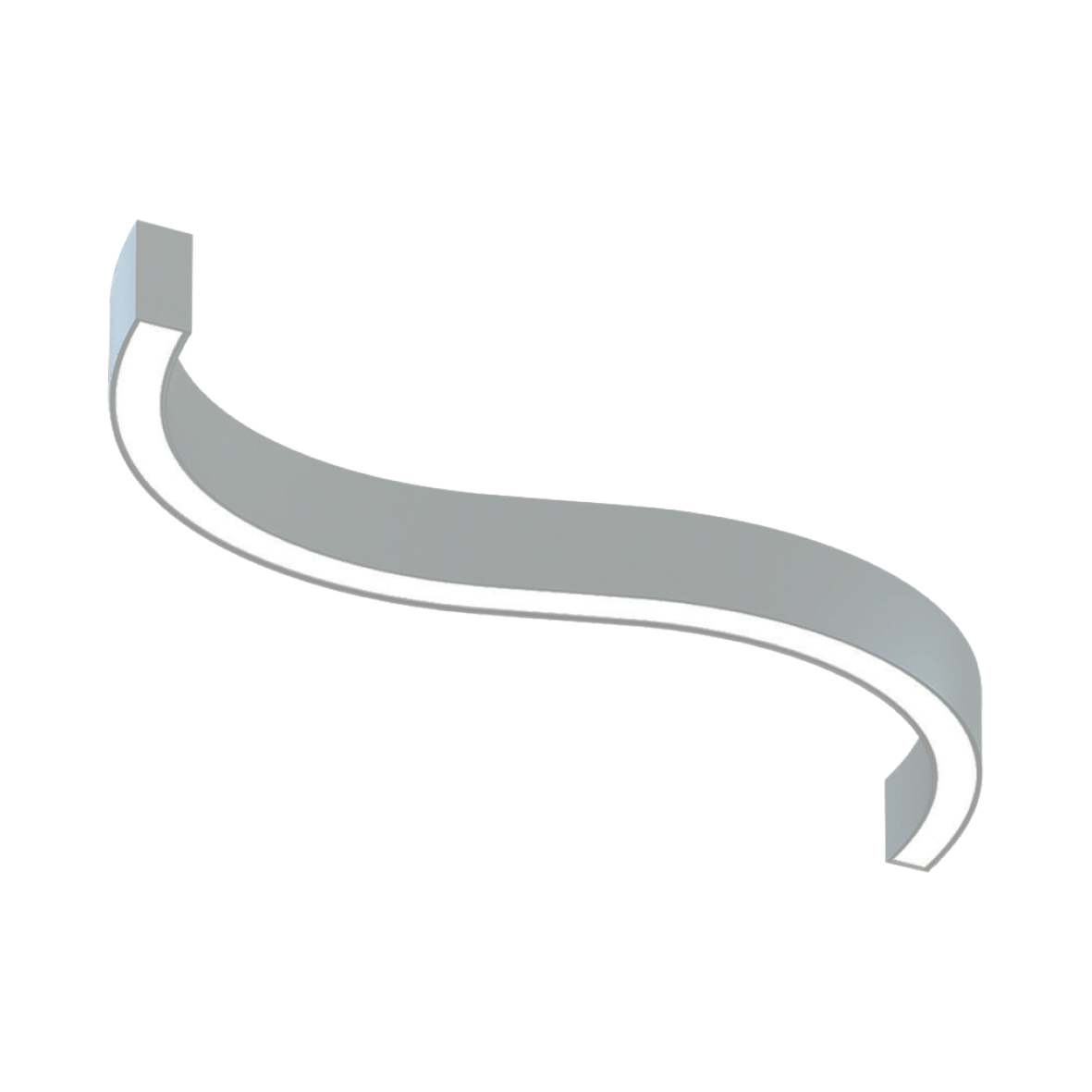
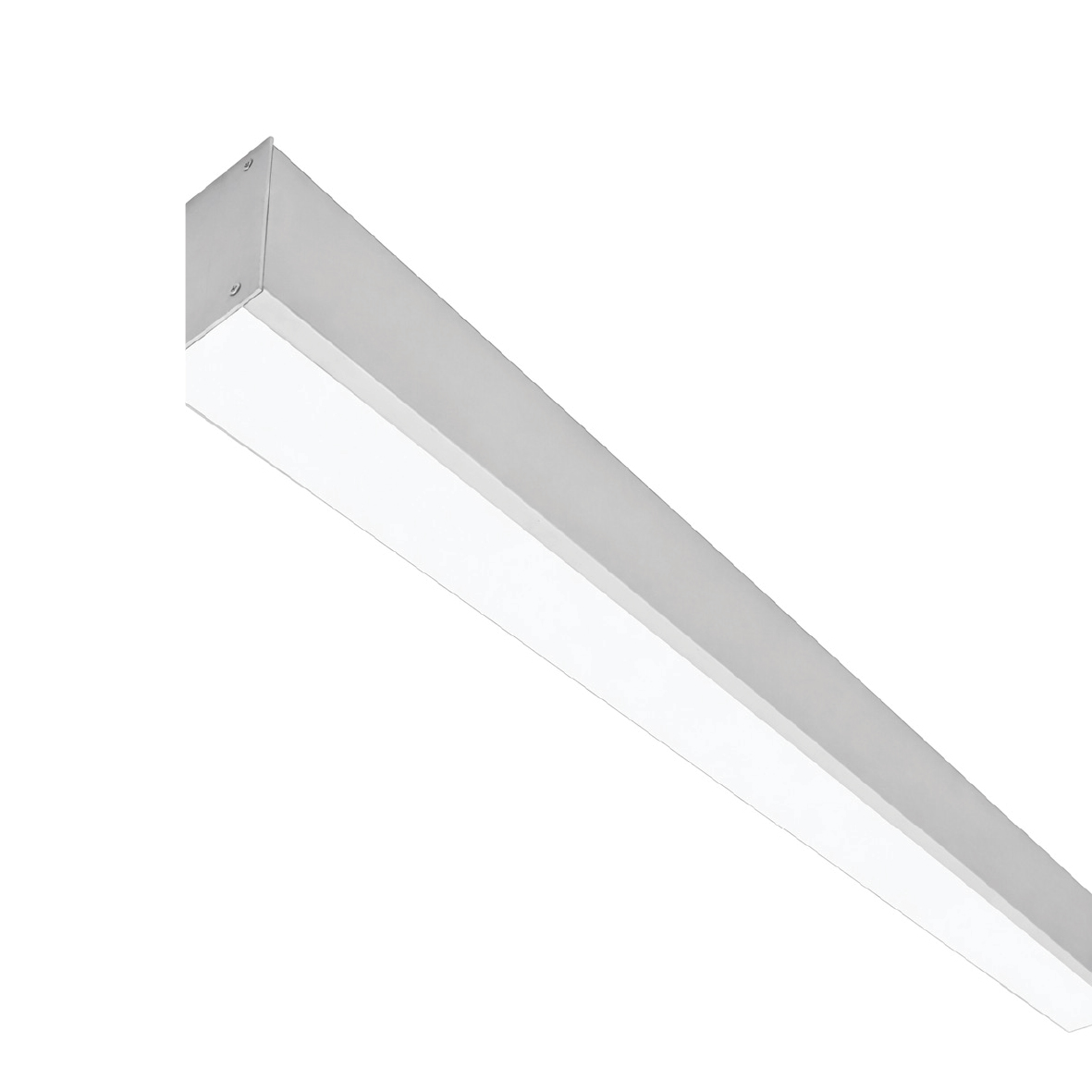
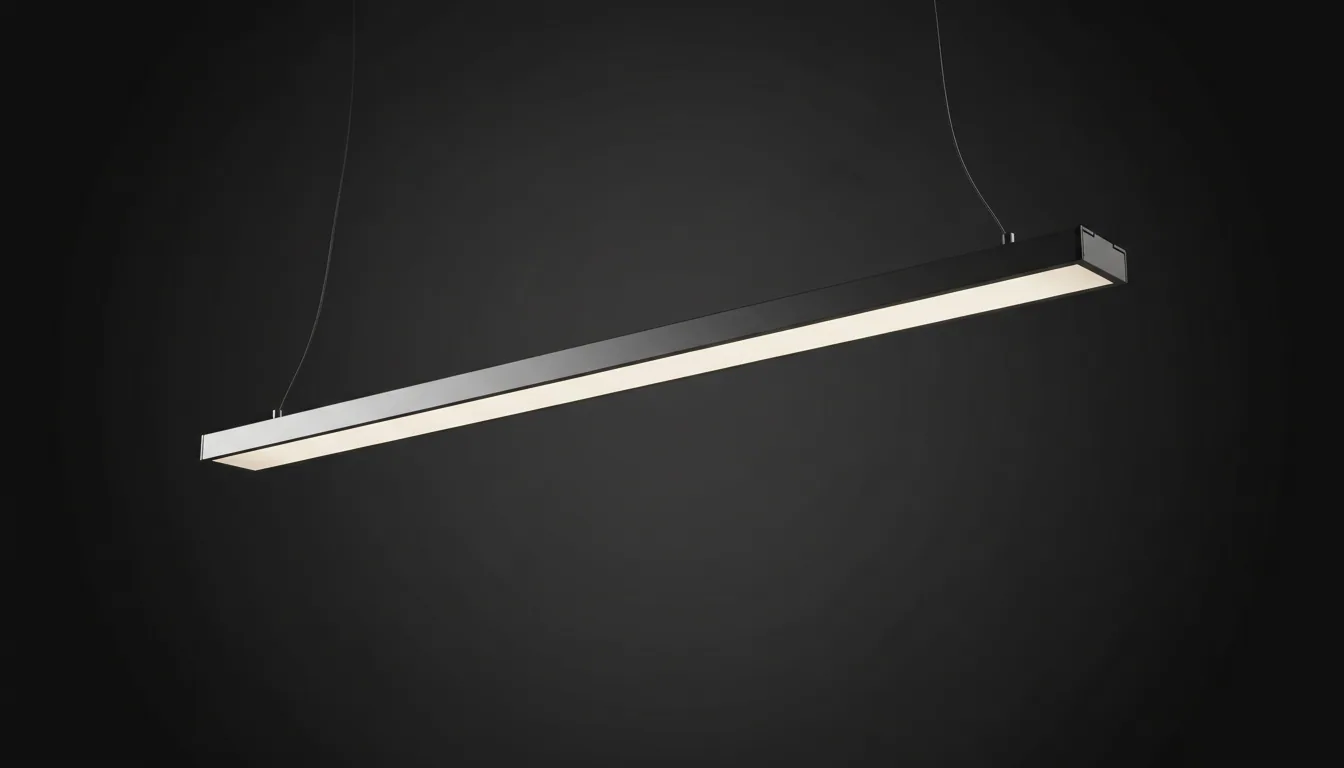
Linear luminaires are modular LED luminaires designed in a linear (elongated bar-shaped) form. They are available in various lengths ranging from 60 cm to 300 cm and can be installed as suspended, surface-mounted, recessed, or track-mounted versions. They are the fundamental solution for professional lighting in projects of all scales, from modern offices and industrial facilities to luxury retail stores and architectural spaces.
Reference values: 3000K-5000K colour temperature · 500-1000 lux · CRI ≥ 80 (office), ≥ 90 (retail) · UGR ≤ 19 · 130+ lm/W efficacy
What Are Linear Luminaires?
A linear luminaire is the LED equivalent of traditional fluorescent tube lighting; however, it is significantly more efficient, longer-lasting, and equipped with modern optical technologies. They can be used individually or connected together to create continuous linear trunking systems. They provide wide and uniform illumination in office ceilings, retail aisles, and industrial shelving applications.

Applications of Linear Luminaires
- Modern offices: 4000K neutral white, UGR ≤ 19 anti-glare optics — preventing reflections during screen-based work
- Industrial facilities and warehouses: 5000K-6500K, IP65 weatherproof versions — high lumen output with uniform light distribution
- Luxury retail: Suspended linear systems used as architectural accents — becoming part of the ceiling design
- Meeting rooms and educational facilities: Microprismatic diffuser options with tunable white capability
- Architectural interiors: Recessed slim-profile luminaires with concealed connection design
Types of Linear Luminaires
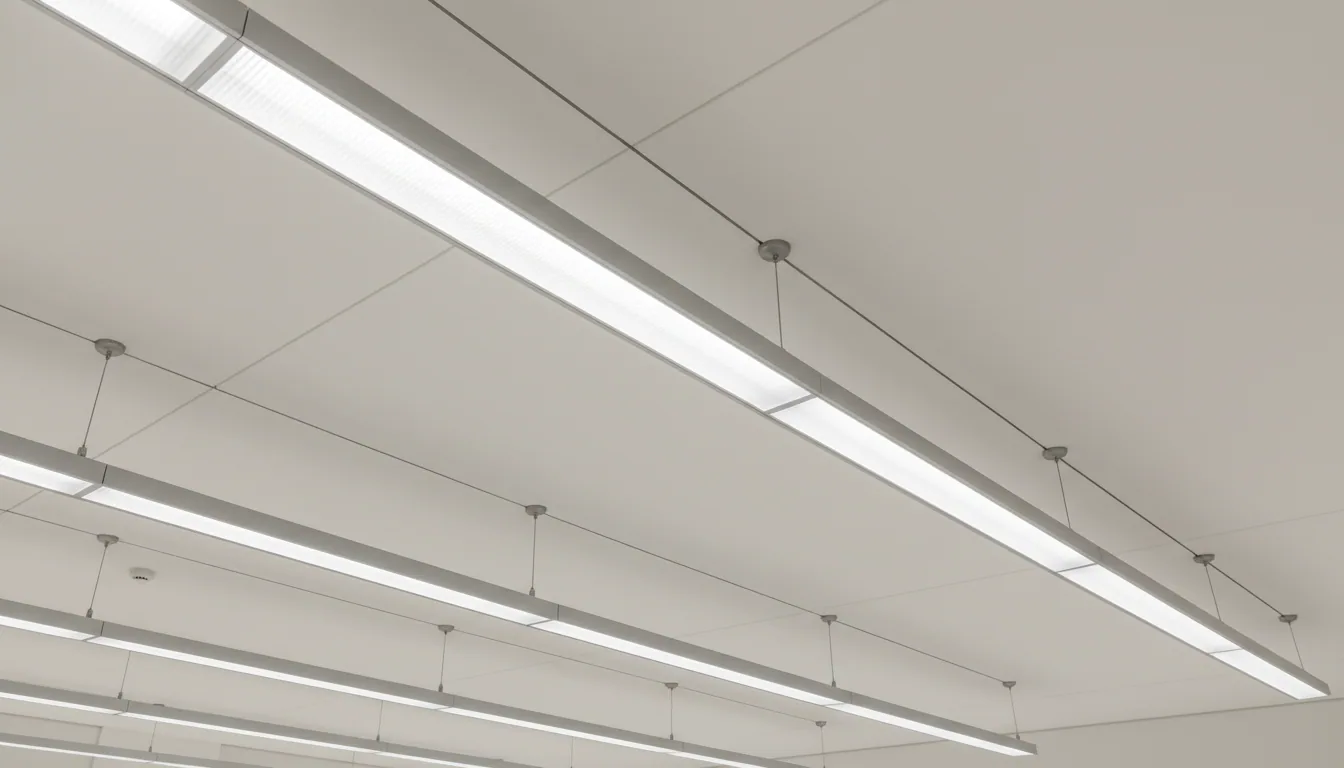
- Suspended: Cable-suspended luminaires providing both ambient and direct illumination
- Surface-mounted: Direct ceiling-mounted luminaires with compact profiles
- Recessed: Recessed luminaires integrated into suspended ceilings with concealed connections
- Trunking system: Modular systems connected together to create continuous lighting lines
- Direct/Indirect: Luminaires providing both downward task lighting and upward ambient lighting
Technical Criteria
UGR (Unified Glare Rating)
UGR ≤ 19 is mandatory for office and educational environments according to EN 12464-1. Luminaires with microprismatic diffusers comply with this requirement; visual comfort is critical for personnel working with computer screens.
Efficacy and Lumen Output
Professional linear luminaires are designed to achieve efficacy levels exceeding 130 lm/W. For a 1200 mm luminaire, a power range of 35-45W with an output of 4,500-6,000 lumens is typical.
Driver and Control
Flicker-free drivers, DALI-2 / 0-10V dimming compatibility, and an L80 lifetime of 50,000 hours. PIR sensor and daylight sensor integration (particularly in trunking systems) can provide energy savings of 30-50%.
Ledova Linear Luminaire Product Family
Our Ledova linear luminaire portfolio is available in different lengths (600-3000 mm), power ratings (15-90W), and optical configurations:
- Office Series: UGR ≤ 19 microprismatic optics, 4000K, CRI 80+
- Premium Office Series: Tunable white (2700K-6500K), DALI-2, circadian lighting scenarios
- Retail Series: 3000K-3500K warm white, CRI 90+, dimmable
- Industrial Series: IP65 weatherproof, high lumen output, 5000K white
- Architectural Slim Profile Series: 25 mm profile height with concealed connections
All our products are CE, RoHS, and EPREL registered and certified according to EN 60598 and EN 62471 standards.
Frequently Asked Questions
Does it make sense to replace my existing fluorescent luminaires with LED linear luminaires?
Yes, absolutely. Modern LED linear luminaires consume 50-65% less energy, offer 4-5 times longer lifetime, and contain no mercury. In a typical office project, the payback period is generally between 18 and 24 months.
What is the difference between suspended and recessed linear luminaires?
A suspended linear luminaire remains visible below the ceiling, creates a decorative architectural accent, and can provide both direct and indirect illumination. A recessed linear luminaire is concealed within the ceiling, offering a more minimalist appearance, but typically provides only downward illumination.
How many lumens are sufficient for an office?
According to EN 12464-1, a general office working area should have an illuminance level of 500 lux at the working plane. Design offices typically require 750 lux, while precision work areas may require up to 1000 lux. Photometric analysis using DIALux provides the actual luminaire quantity required for the project.
Is there an additional cost for tunable white systems?
Tunable white luminaires are typically 20-30% more expensive than standard fixed colour temperature products. They are commonly preferred in premium office projects and WELL Building certified projects, where increased employee comfort and productivity can offset the additional investment.