
Linear Etange Luminaires
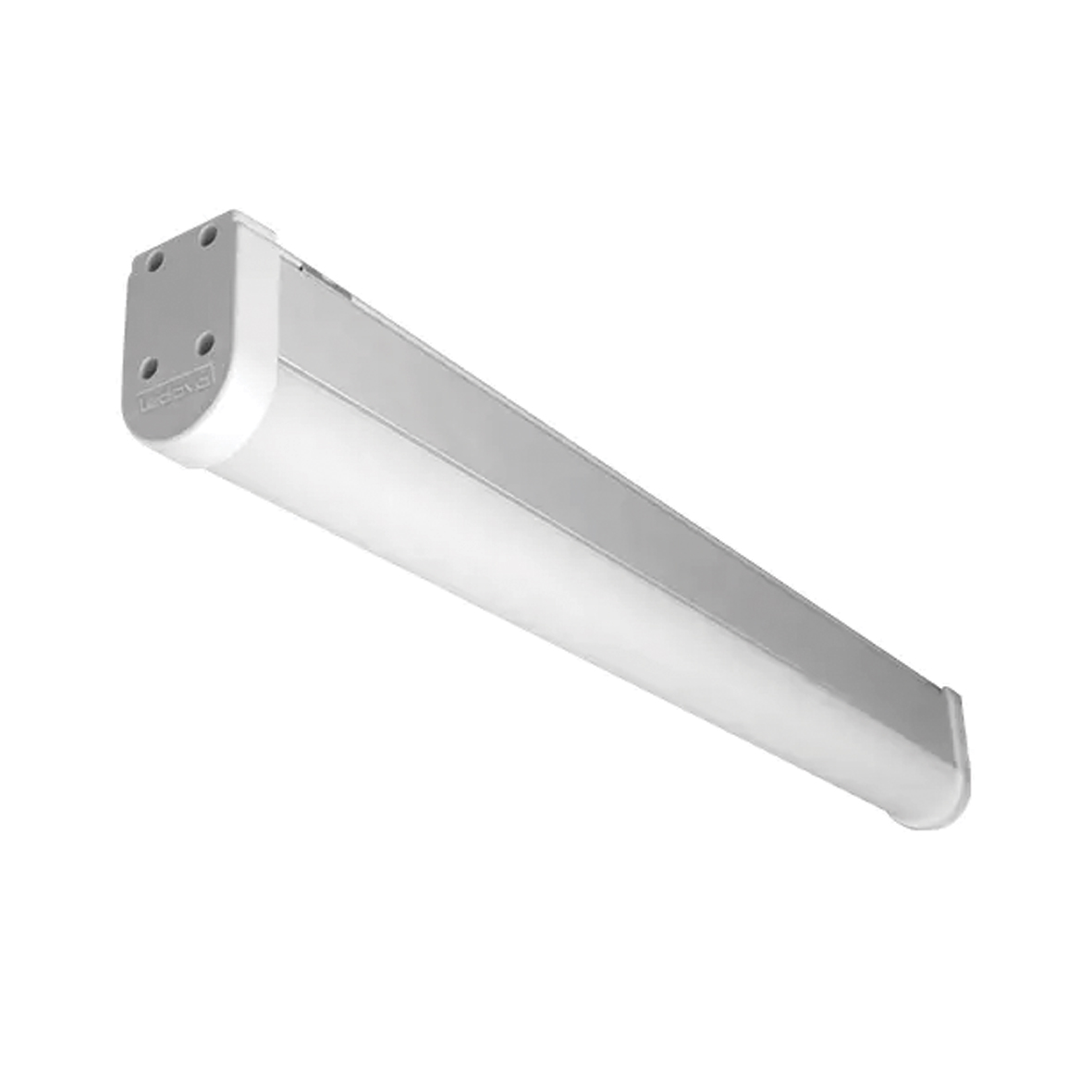
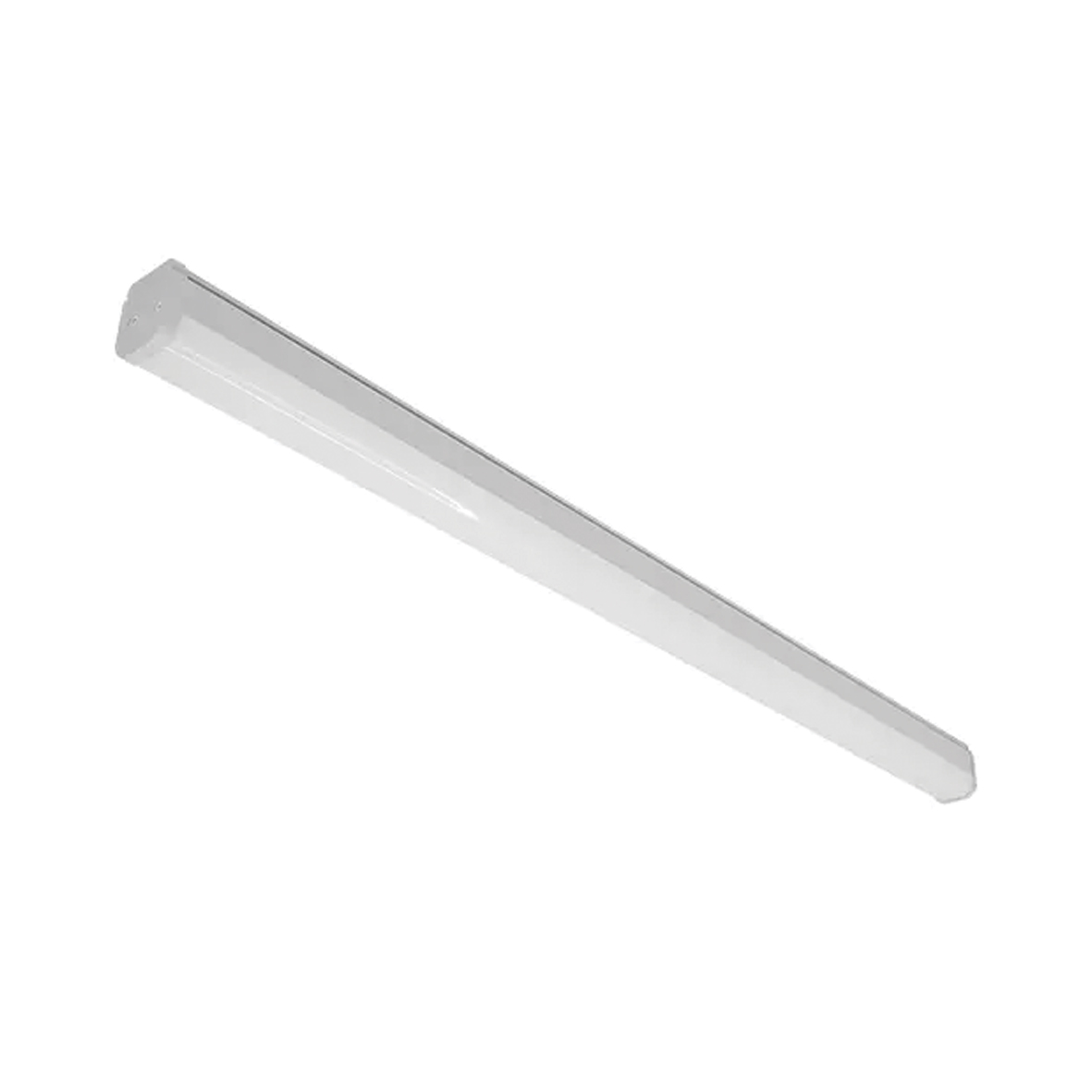
Linear weatherproof luminaires are linear LED luminaires resistant to moisture, dust, water jets, and chemical cleaning agents. They are the standard solution for food processing facilities, cold storage rooms, car parks, laundries, livestock buildings, and washable industrial environments. With a minimum IP65 protection rating, they meet the requirements of professional applications.
Reference values: 4000K-5000K colour temperature · 3,000-6,000 lumens · CRI ≥ 80 · IP65-IP66 · -30°C/+50°C operating temperature
What Are Linear Weatherproof Luminaires?
The term "weatherproof" refers to a sealed construction designed to prevent the ingress of water and dust. Linear weatherproof luminaires are LED luminaires with sealed housings, manufactured from polycarbonate or aluminium and protected with gasket-sealed enclosures. While the drivers of standard luminaires can fail quickly in humid or dusty environments, weatherproof versions provide reliable operation for many years.
Applications
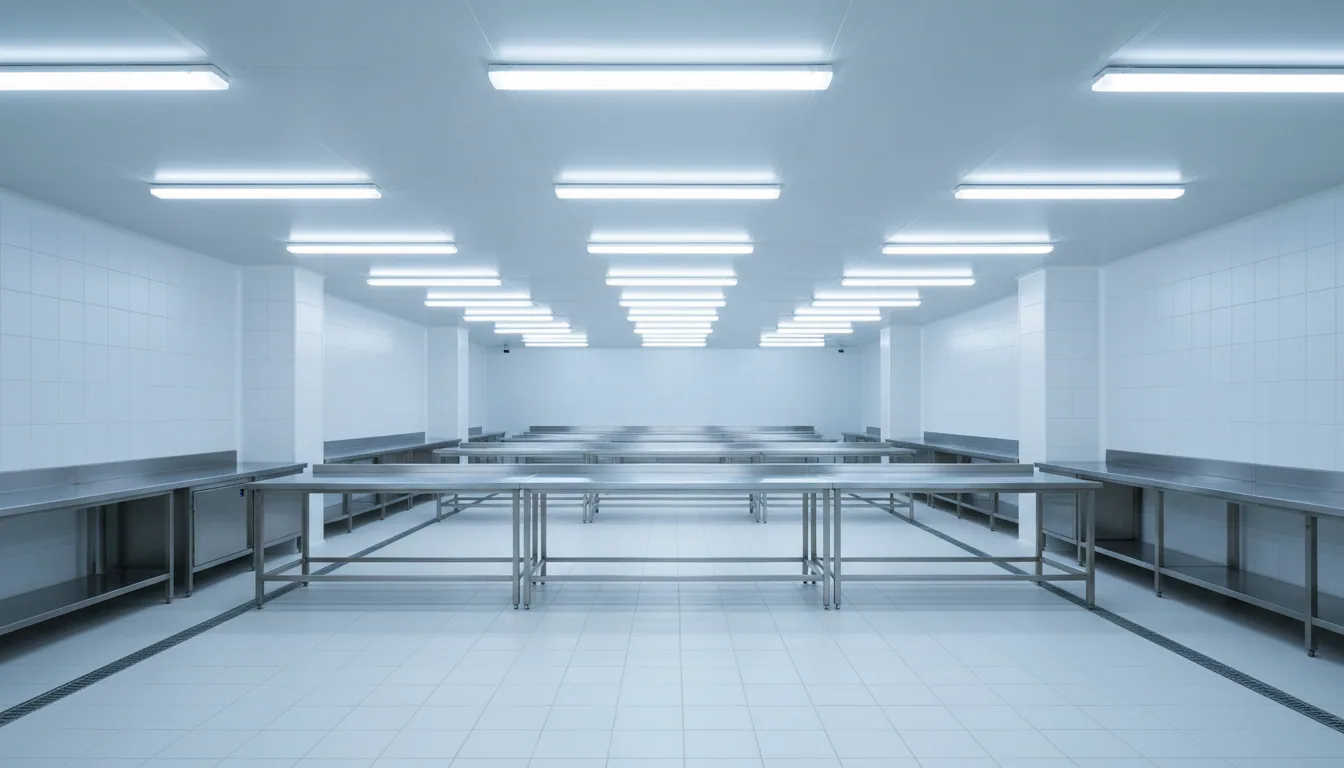
- Food processing facilities: Resistant to wash-down hoses, HACCP-compliant polycarbonate housing
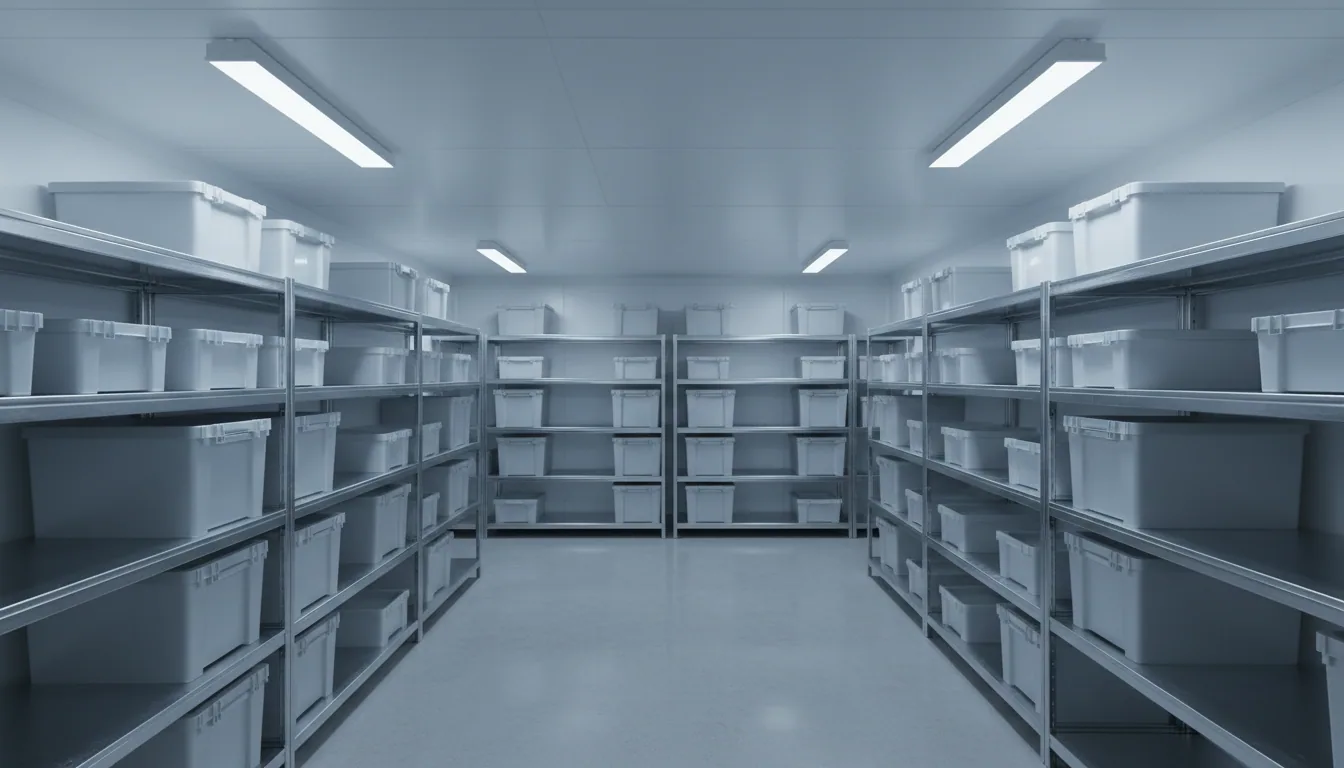
- Cold storage rooms: Operation down to -30°C, protection against condensation
- Car parks: Resistant to moisture and dust, available with motion sensor options
- Laundries and commercial kitchens: Resistant to water vapour and splashing water
- Industrial workshops: Suitable for dusty environments, wood shavings, and metalworking applications
- Parks and semi-open areas: Resistant to rain and humidity
Types of Weatherproof Luminaires
Polycarbonate Housing
Transparent or semi-transparent polycarbonate diffuser with a modular LED design. Preferred in food processing facilities due to its low breakage risk and resistance to chemicals.
Aluminium Housing
Designed for heavy-duty industrial applications with high durability and IK10 impact resistance. Suitable for workshops and heavy industry environments.
Cold Storage Version
Models equipped with low-temperature resistant drivers, suitable for operation at -30°C / -40°C. Provides instant full output, one of the major advantages of LED technology compared to fluorescent lighting.
Technical Criteria
IP Protection Rating
IP65: Rain, dust, and standard wash-down resistance IP66: Resistant to powerful water jets IP67: Resistant to temporary immersion in water IP69K: Resistant to high-pressure steam cleaning (food processing facilities)
Operating Temperature
Standard: 0°C to +40°C Cold storage: -30°C to +50°C High-temperature applications: 0°C to +70°C Driver quality is the key factor determining performance across these temperature ranges.
HACCP and Hygiene Compliance
In food processing facilities, luminaires must have smooth surfaces, resistance to chemical cleaning agents, and a design that does not create a risk of food contamination.
Ledova Linear Weatherproof Luminaire Product Family
- Standard Series: 1200/1500 mm, IP65, polycarbonate housing, 36-50W
- Premium Industrial Series: IP66, aluminium housing, 50-72W, surge protection
- Cold Storage Series: -30°C operation, instant start-up
- HACCP-Compliant Series: Designed for food processing facilities, white polycarbonate housing, antimicrobial surface
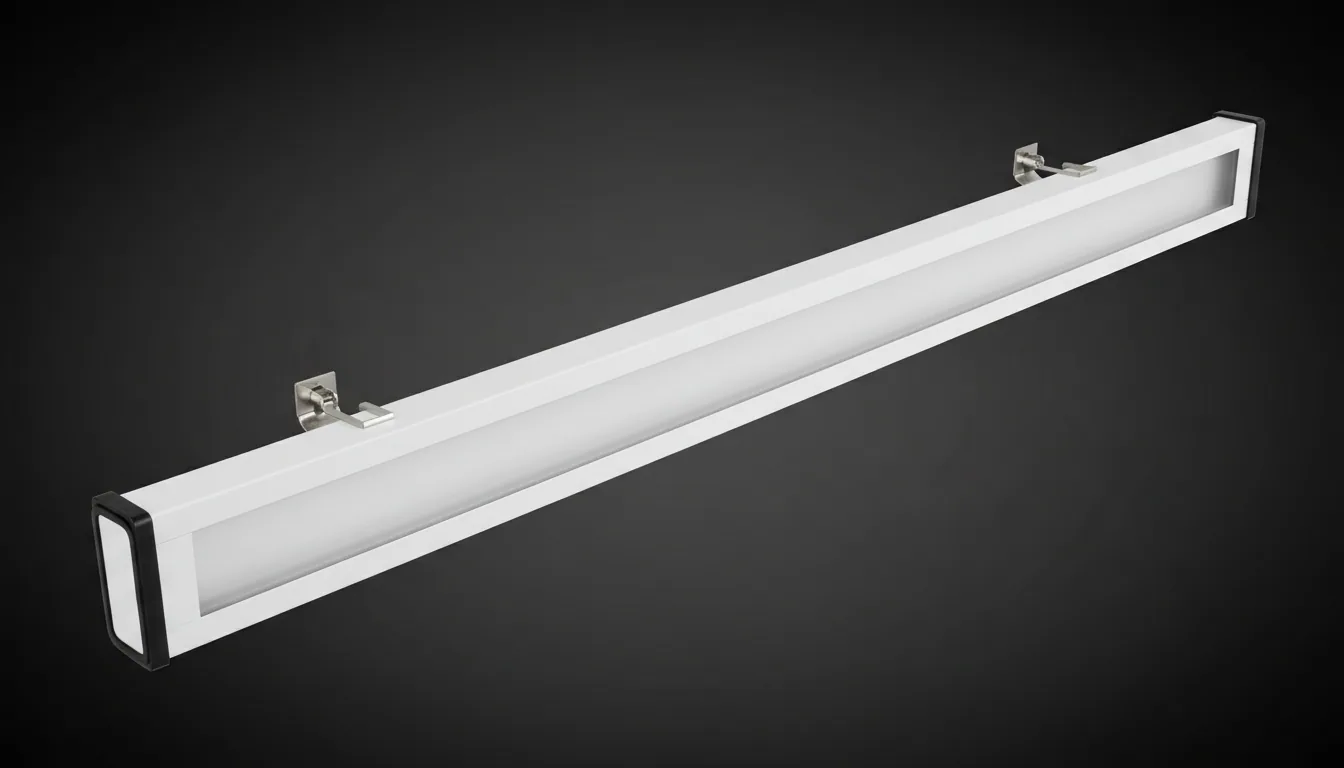
All our products are CE, RoHS, and EPREL registered and comply with EN 60598 standards and HACCP requirements for food processing facilities.
Frequently Asked Questions
What is the difference between IP65 and IP66?
IP65 provides protection against rain and dust ingress, while IP66 offers resistance to powerful water jets and pressure washing. IP66 is recommended for food processing facilities and environments that are regularly washed down.
How long do LED luminaires last in cold storage rooms?
In IP65-rated luminaires designed for low-temperature applications, an L80 lifetime exceeding 50,000 hours can be expected. In fact, low temperatures are generally beneficial for LED performance because thermal stress is reduced. However, if an unsuitable luminaire is selected (with operating temperature specifications outside the application requirements), electronic components such as capacitors may fail prematurely.
Does a polycarbonate housing become yellow over time?
Professional UV-stabilized polycarbonate does not show significant yellowing over a 50,000-hour lifetime. Lower-quality polycarbonate materials may begin to yellow within 2-3 years, resulting in reduced light output and efficiency. Premium manufacturers typically provide UV test certification for their materials.
What are the advantages compared to traditional fluorescent weatherproof luminaires?
LED weatherproof luminaires consume 50-65% less energy, contain no mercury (RoHS compliant), offer 4-5 times longer lifetime, and provide instant full light output, which is particularly important in cold storage applications. The typical payback period is between 18 and 24 months.