
In-Ground Luminaires
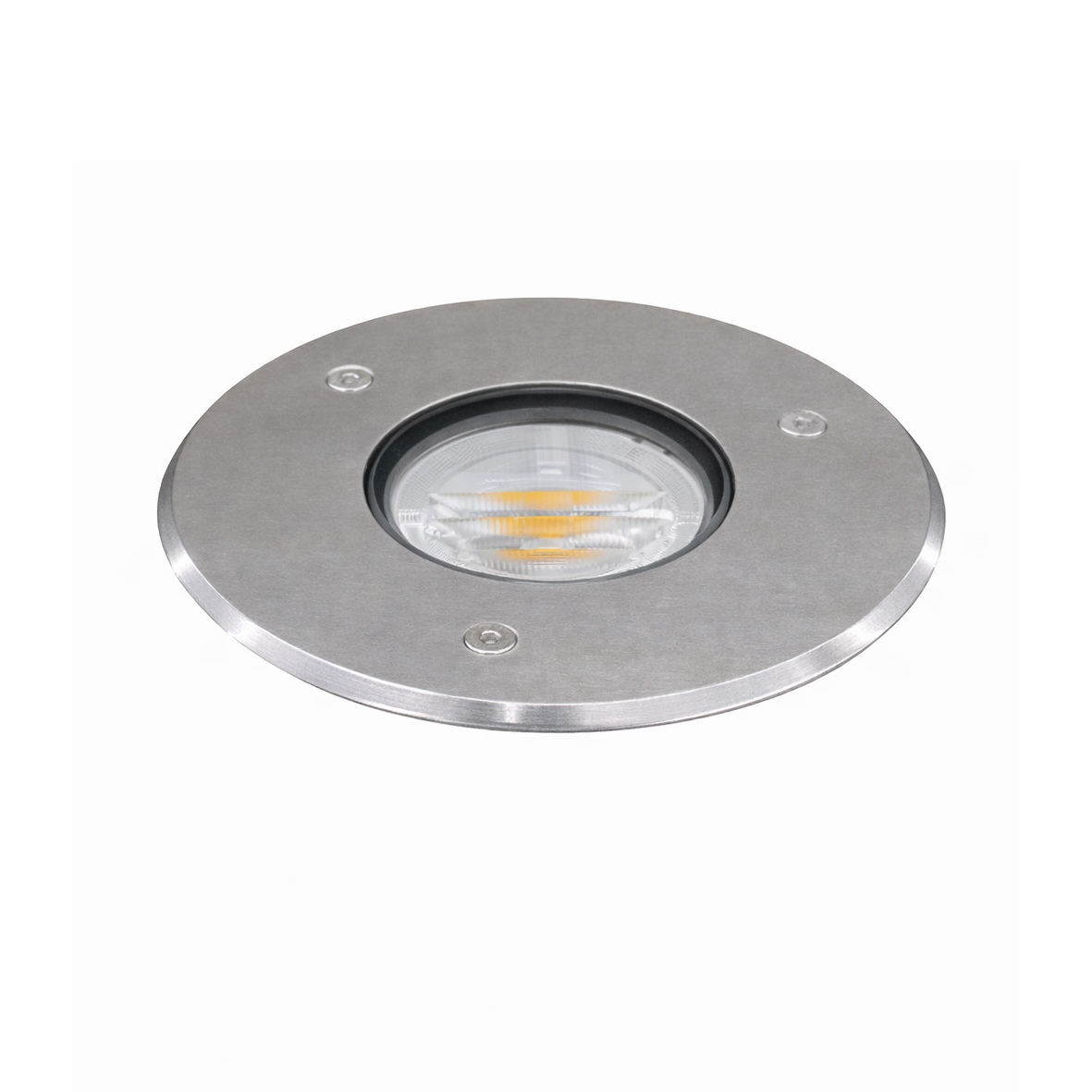
In-ground luminaires are outdoor LED lighting fixtures installed below ground level and designed to project light upwards. They are the standard solution for landscape lighting, tree uplighting, architectural facade washing, pathway accent lighting, and poolside applications. With IP67 protection and heavy-load resistance, they provide long-lasting performance in demanding outdoor environments.
Reference values: 2700K-4000K colour temperature · 200-1500 lumens · CRI ≥ 80 · IP67 · IK10 · 1500-3000 kg load capacity
What Are In-Ground Luminaires?
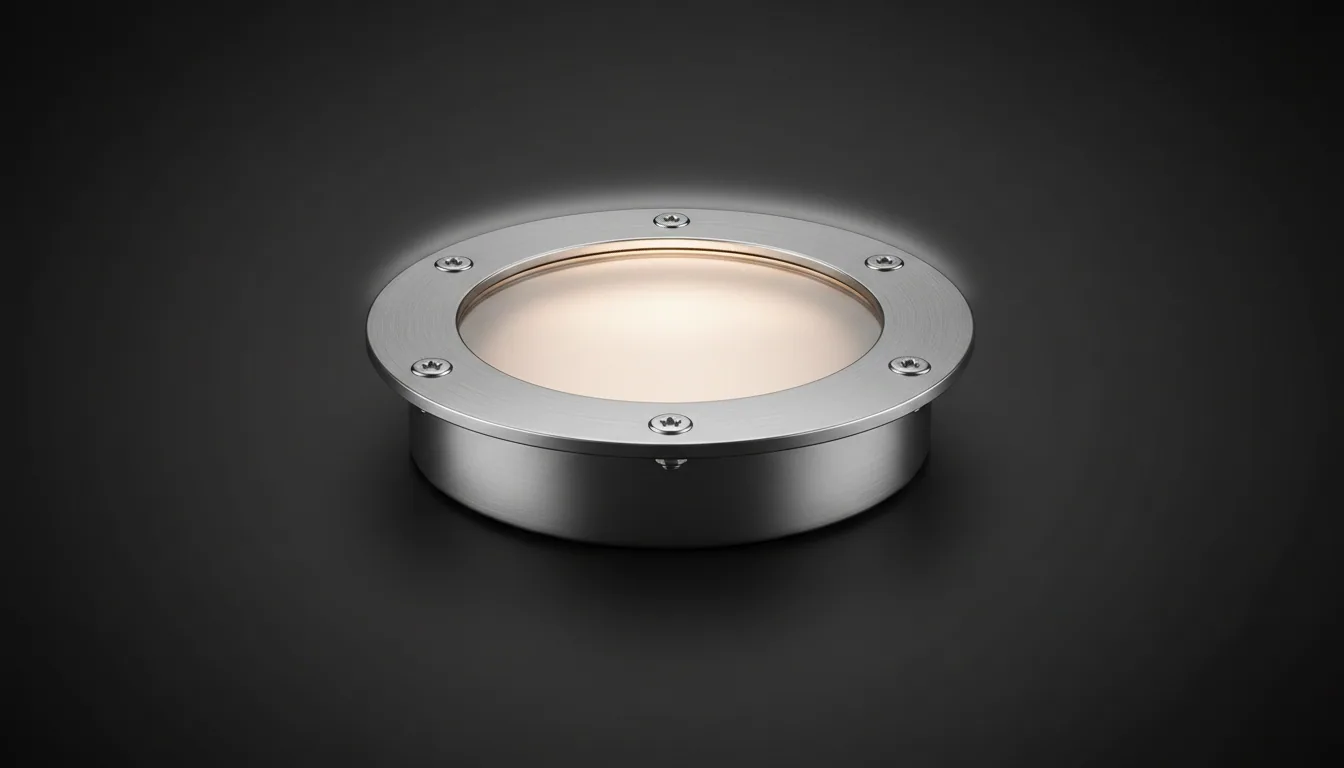
In-ground luminaires are installed below ground level within dedicated recessed housings; only the top glass and trim ring remain visible. Since they are installed in walkable surfaces, heavy load resistance (1,500-3,000 kg/m²) and mechanical impact protection (IK10) are standard requirements. A minimum IP67 protection rating is required to ensure resistance against rainwater and temporary flooding.
Applications
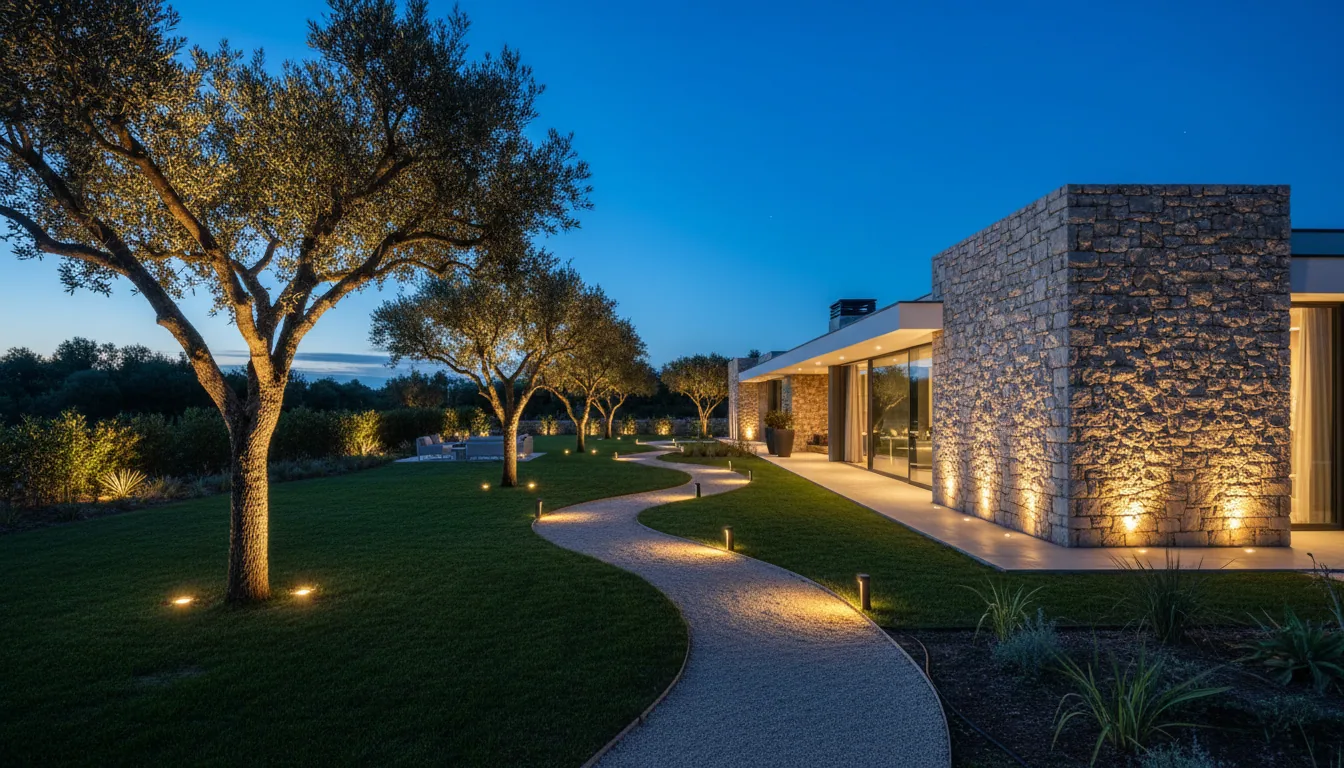
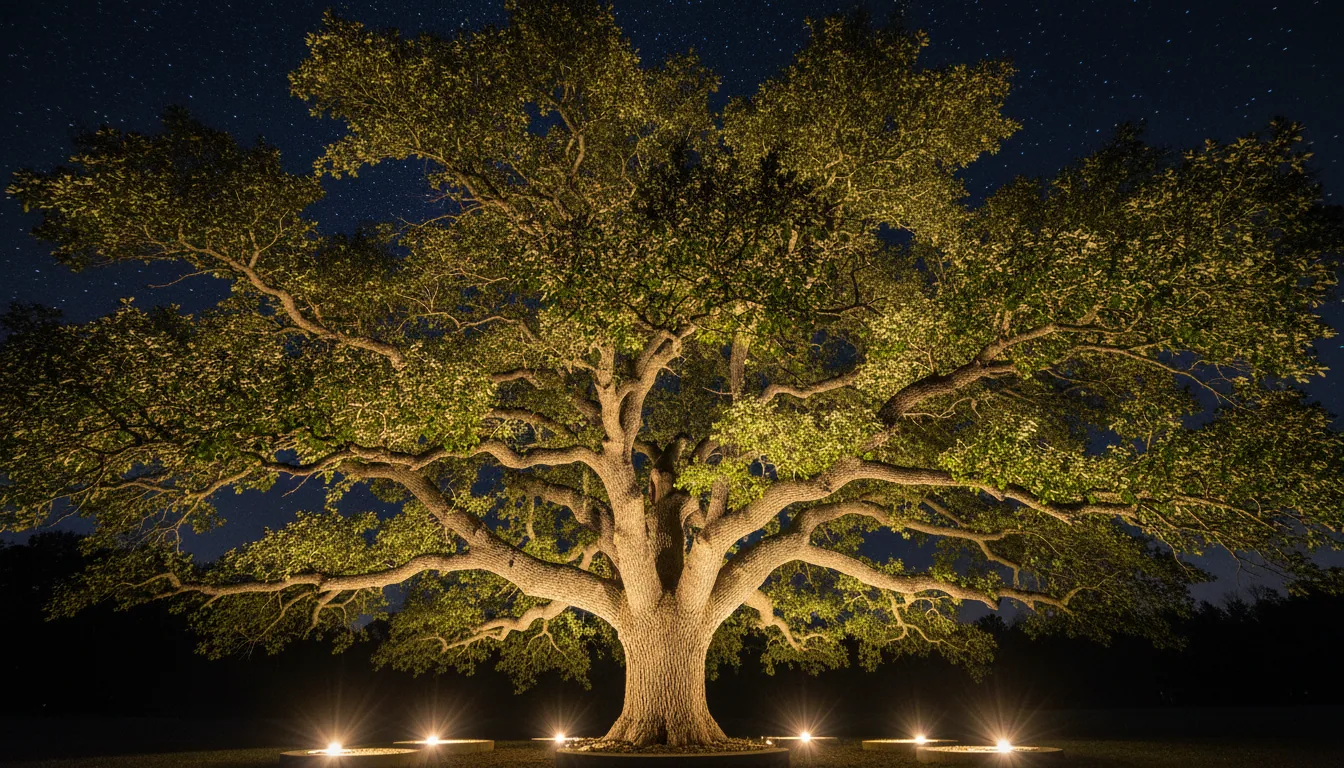
- Tree uplighting: Dramatic illumination of tree trunks and branches
- Garden pathways: Soft reflected lighting along pathway edges
- Architectural facade accent lighting: Dramatic uplighting of building facades
- Monuments and sculptures: Narrow-beam focused lighting to highlight artworks
- Pool surroundings: IP68 underwater versions for swimming pool illumination
- Pedestrian walkways and staircases: Safe wayfinding and guidance lighting
Types of In-Ground Luminaires
Spot (Narrow Beam)
10°-25° narrow beam optics designed for long-distance light projection. Suitable for tree uplighting, monument highlighting, and tall building facades.
Floodlight (Wide Beam)
30°-60° beam angles providing wider area coverage. Ideal for gardens, landscaping, and broad facade washing applications.
Wallwasher
Models equipped with asymmetric optics to provide uniform wall illumination. Preferred for architectural facade lighting.
Step Light
Compact luminaires providing horizontal light distribution. Designed for stair edges and terrace zones.
Technical Criteria
IP Protection Rating
IP67: Minimum requirement for temporary immersion resistance IP68: Continuous underwater operation (swimming pools, fountains) IP69K: Resistant to high-pressure steam cleaning
Heavy Load Resistance
Pedestrian load: 1,500 kg/m² Vehicle traffic: 3,000-5,000 kg/m² Heavy vehicles: 10,000+ kg The top cover should be manufactured from tempered safety glass or high-strength polycarbonate.
Corrosion Resistance
For coastal projects, marine-grade aluminium combined with anti-corrosion coatings is recommended. Anti-galvanic protection systems provide enhanced resistance against saltwater exposure.
Ledova In-Ground Luminaire Product Family
- Garden Series: 6-15W, IP67, 30°-60° beam angles
- Architectural Facade Series: 20-30W, narrow beam (10°-25°), long-distance illumination
- Pedestrian Series: 1,500 kg/m² load capacity, compact 3W step lights
- Premium Series: RGB-W colour-changing, DMX-controlled
- Pool/Underwater Series: IP68, safe low-voltage 12V/24V operation
All our products are CE, RoHS, and EPREL registered and comply with EN 60598-2-13 standards for outdoor luminaires.
Frequently Asked Questions
How hot do in-ground luminaires become?
Professional models are designed with efficient thermal management systems; the surface temperature of the top glass typically remains around 50-60°C. In gardens used by children, lower-power models (5-10W) may be preferred, or versions with dedicated temperature-rated specifications can be selected.
Are they suitable for areas with vehicle traffic?
Yes. Heavy-duty models with load ratings between 3,000 and 10,000 kg are suitable for vehicular traffic. For applications such as car park entrances and private access roads, luminaires with certified load-bearing specifications should be selected.
Are in-ground luminaires safe for use inside swimming pools?
Yes. IP68-certified models operating at safe low voltages of 12V or 24V are suitable for underwater pool applications. They should comply with EN 60598-2-18 standards, and installation must always be carried out by a qualified electrician.
What control systems are used for RGB colour-changing luminaires?
Modern RGB-W luminaires are programmed via DALI-2 or DMX 512 protocols. Seasonal colour scenarios, such as New Year or Valentine's Day lighting schemes, can be scheduled to run automatically and can also be integrated into smart home or building automation systems.