
Floodlights
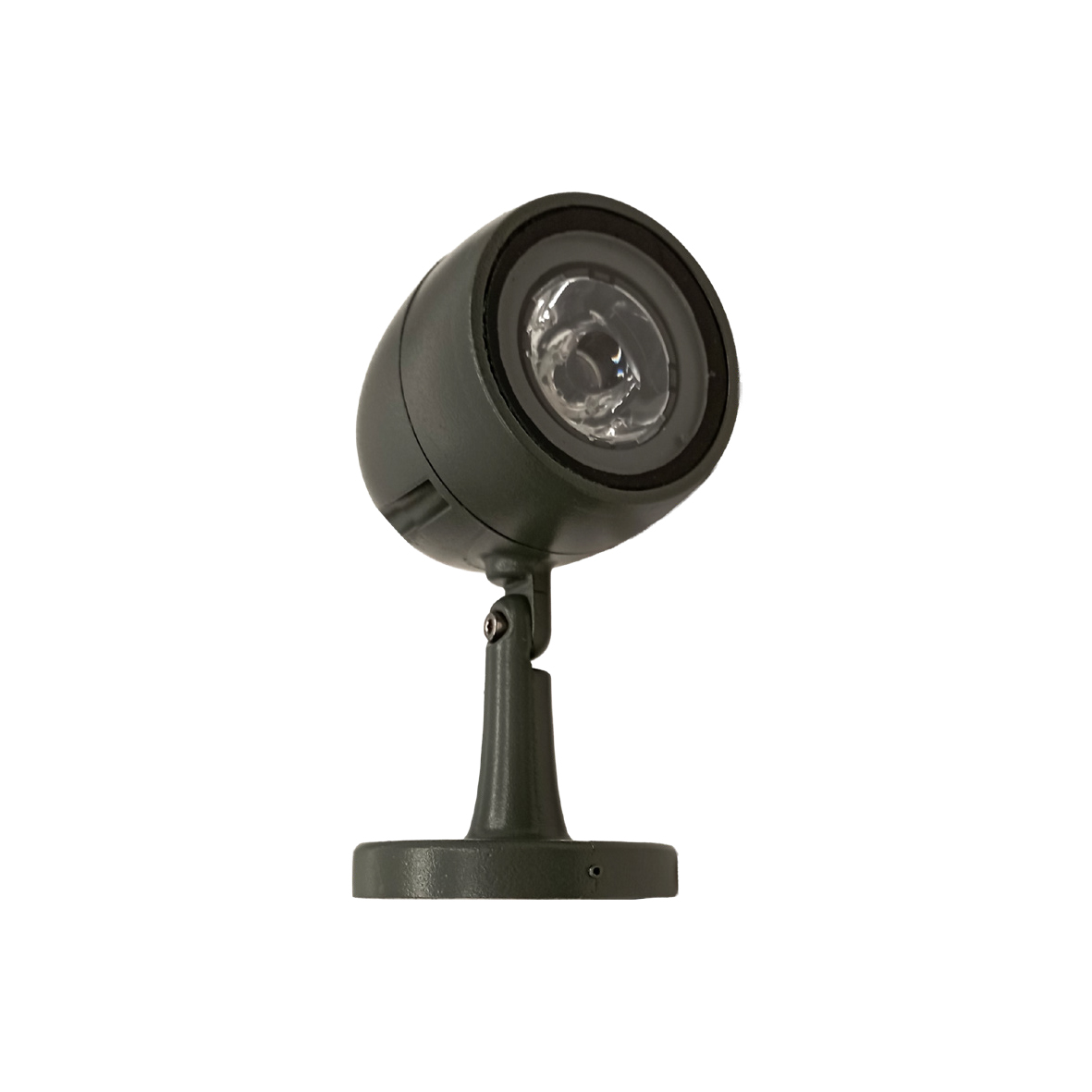
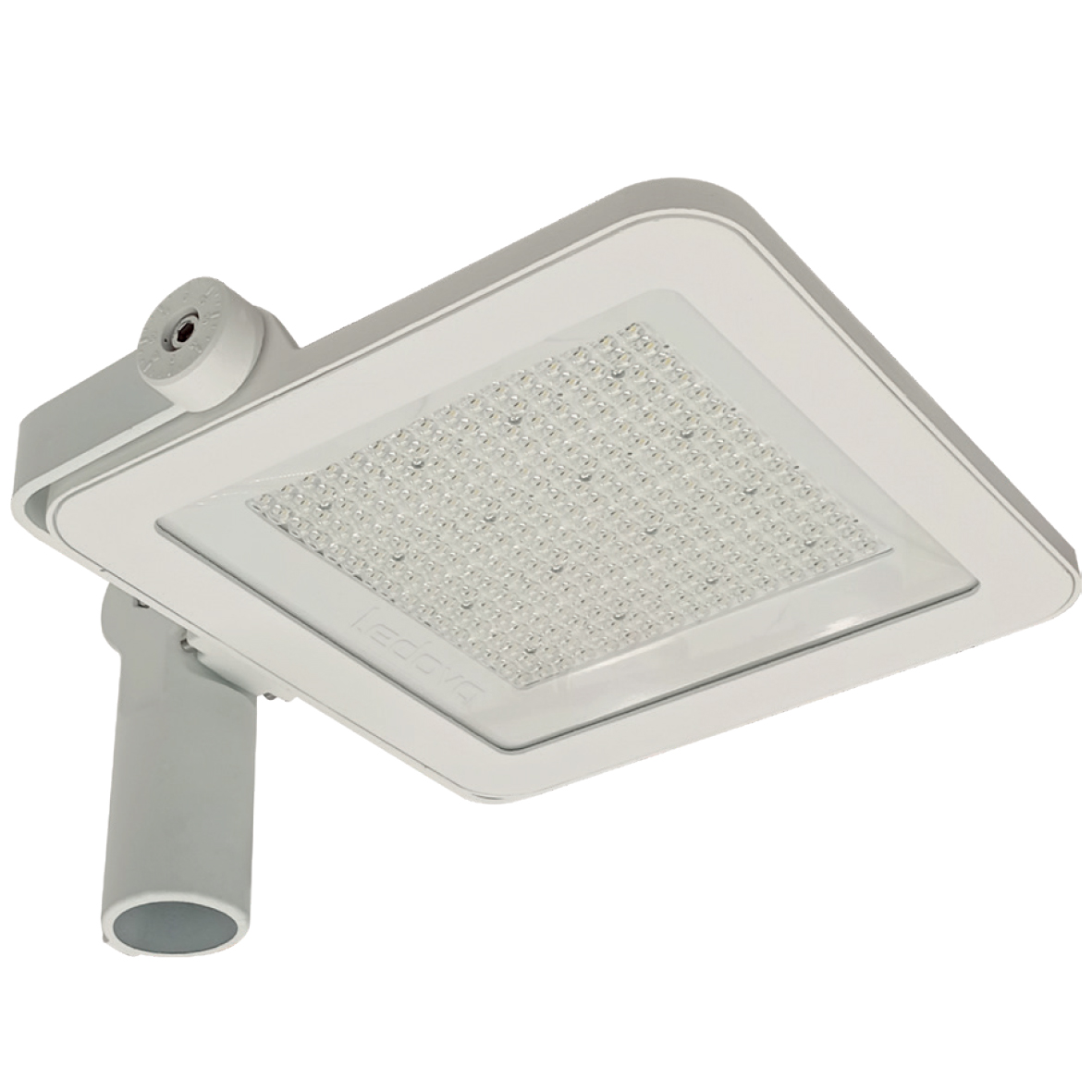
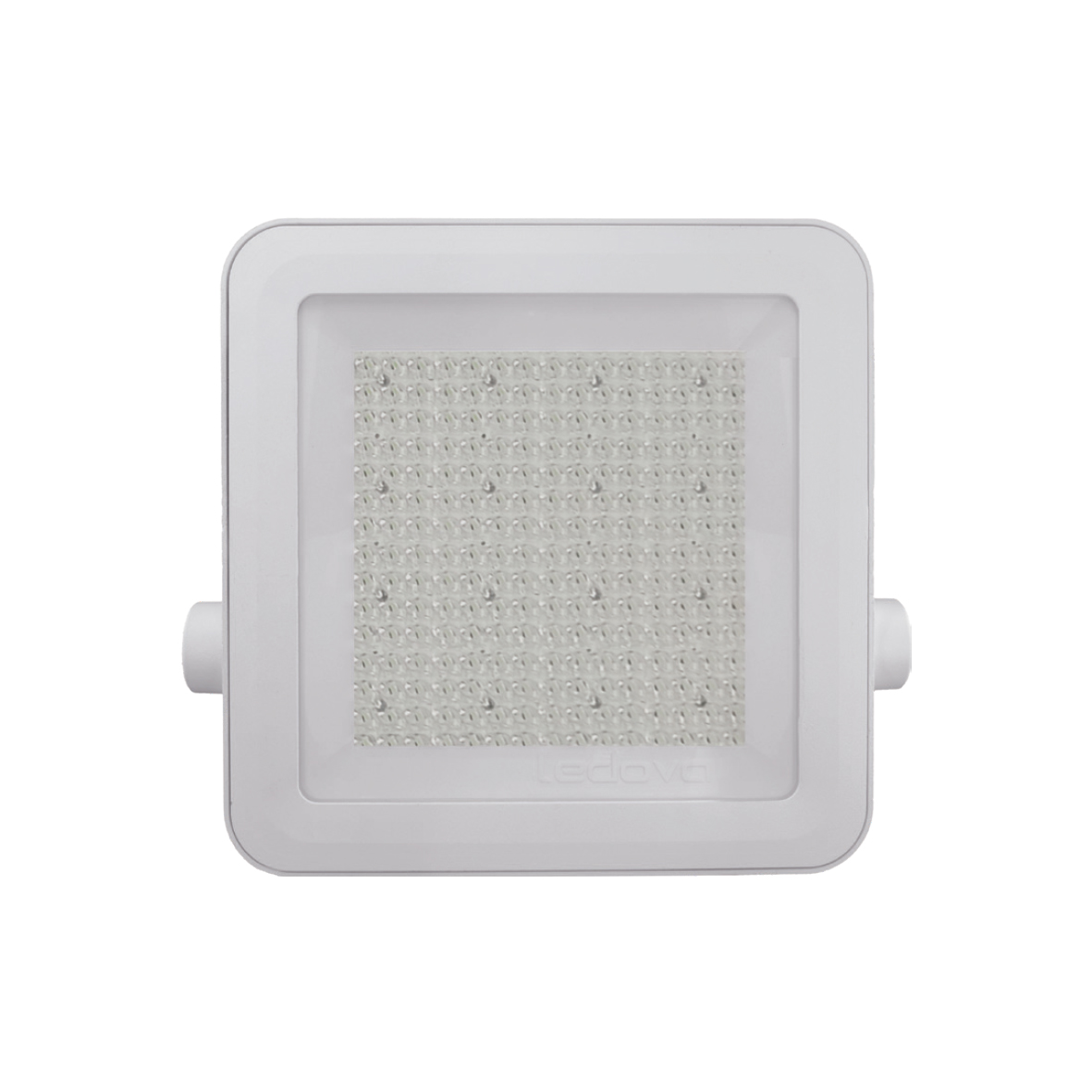
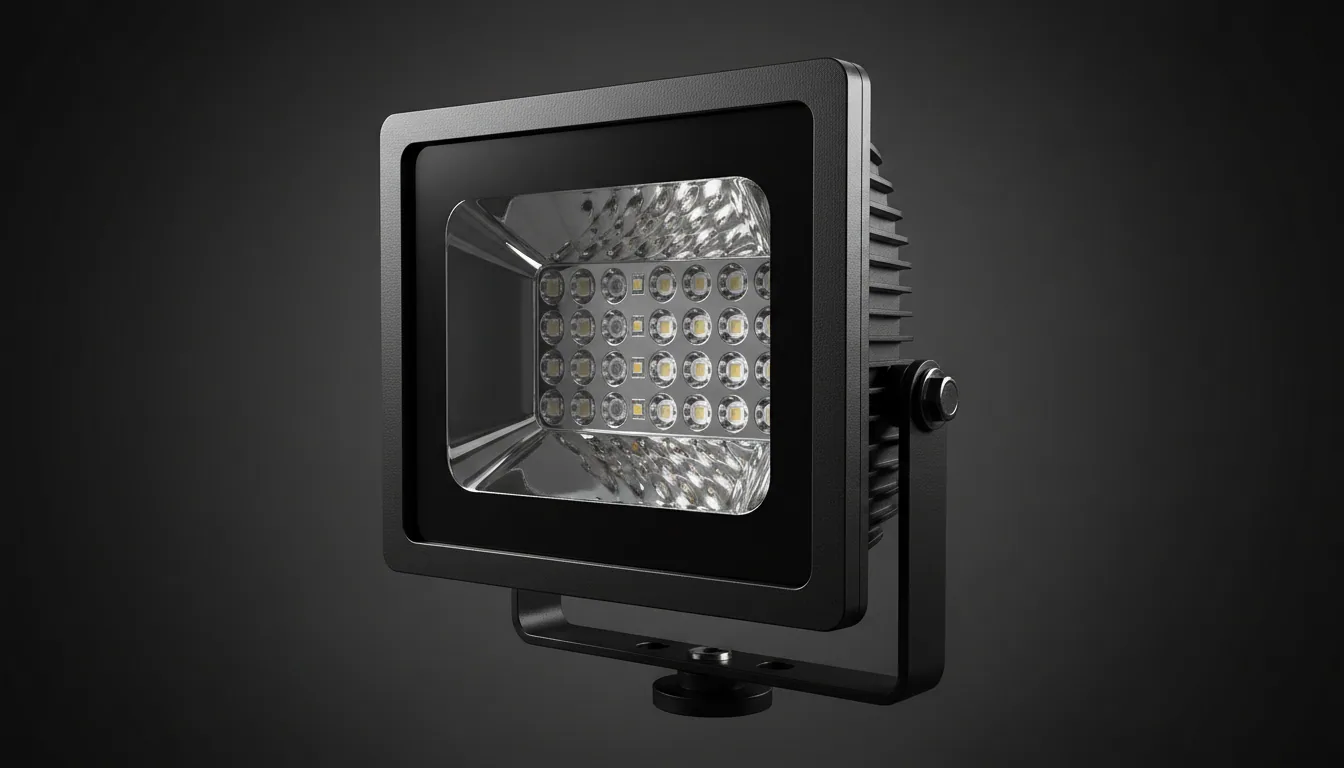
Floodlights are the most powerful family of outdoor LED luminaires, designed to illuminate large areas, building façades, sports fields, industrial outdoor environments, and construction sites. Also known as "floodlights," they distribute light over wide areas while maintaining high lumen output. With a minimum IP65 protection rating, asymmetric optical options, and professional dimmable drivers, they provide long-lasting performance.
Reference values: 4000K-6500K colour temperature · 3,000-150,000 lumens · CRI ≥ 80 · IP65-IP66 · IK08-IK10 · 130-150 lm/W
What Are Floodlights?
A floodlight is a luminaire designed to project light in a specific direction over a wide area while delivering high lumen output. Indoor applications are limited; they are primarily used in outdoor and industrial environments. Modern professional floodlights are equipped with efficacy levels above 130 lm/W, L80 lifetimes of 50,000-100,000 hours, and flicker-free drivers.
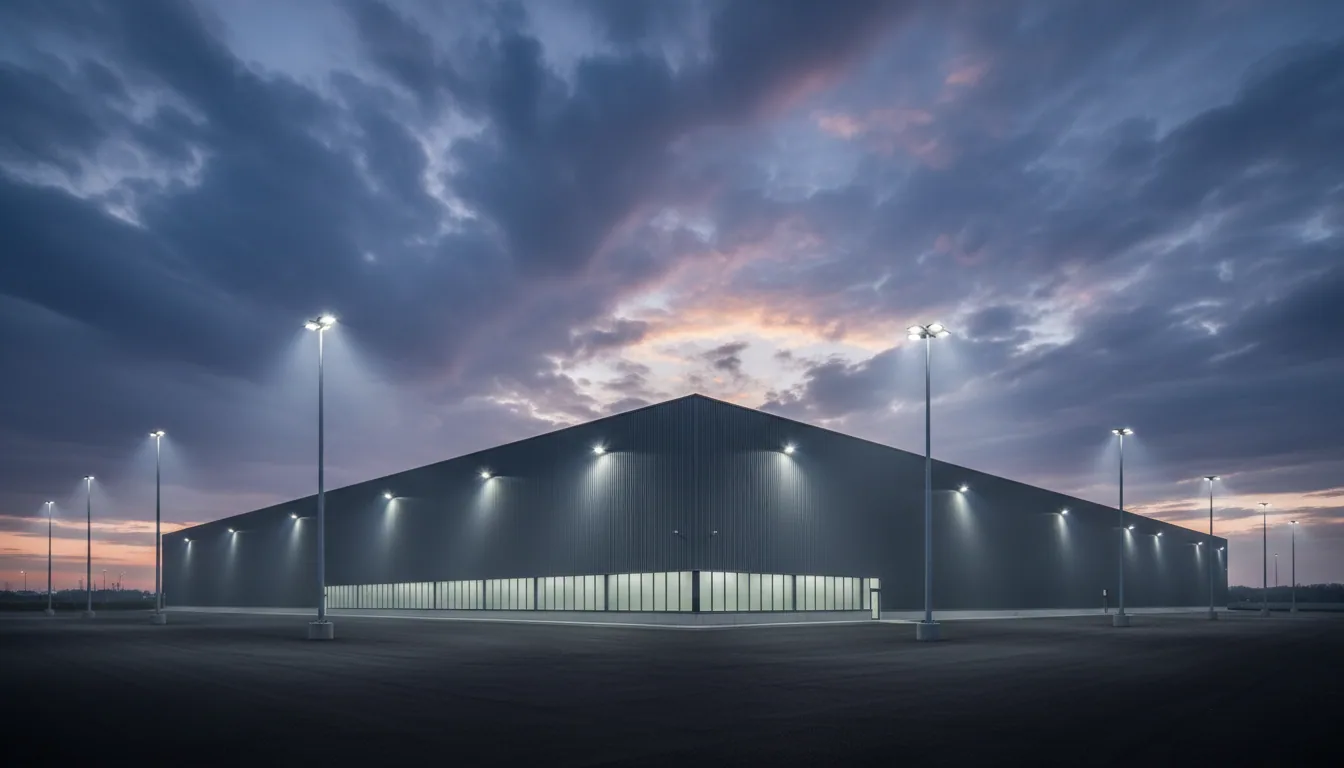
Applications
- Gardens and villas: 30-50W, symmetric optics, wide-area garden illumination
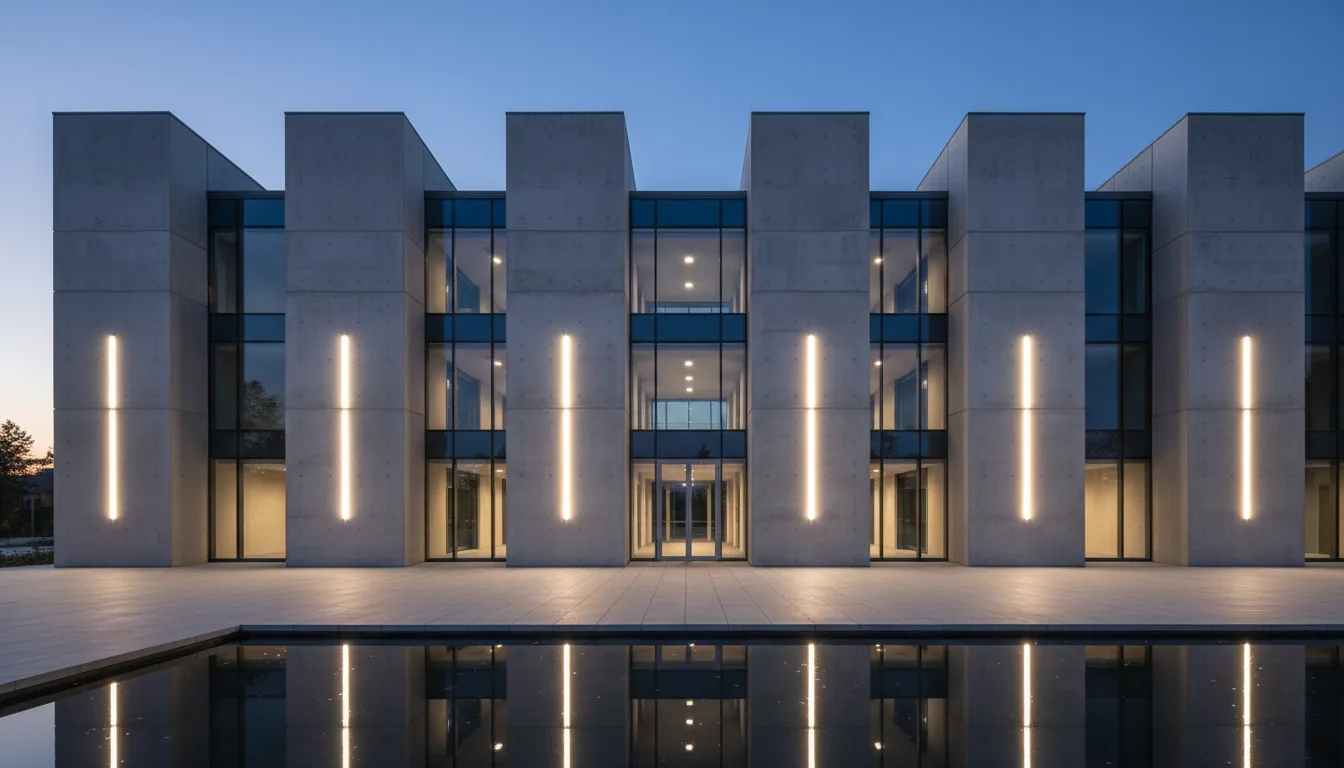
- Building façades: 50-100W, asymmetric wallwasher optics, architectural façade highlighting
- Sports fields: 400-1000W, narrow beam optics, uniform distribution, flicker-free broadcast-quality lighting
- Industrial outdoor areas: 100-200W, IP66, 10kV surge protection
- Parks and car parks: 50-150W, asymmetric optics, sensor integration
- Construction sites and temporary lighting: Portable tripod systems, IK10 impact resistance
Optical Types
Symmetric Optics
Distribute light evenly across a wide area. Available with 30°, 60°, 90°, and 120° beam angles. Suitable for gardens and general area lighting.
Asymmetric Optics
Direct light forward in a single direction. Used for illuminating long rectangular areas such as car parks and warehouse yards while minimizing light pollution by positioning the floodlight close to walls.
Spot Optics
Narrow beam angles of 10°-25°, designed to project light over long distances. Suitable for flagpoles, monuments, and distant building façades.
Technical Criteria
IP and IK Protection
IP65 is the standard for outdoor applications; IP66 is suitable for washable industrial environments; IP67 is recommended for areas exposed to flood risk. IK08-IK10 ratings provide mechanical impact resistance.
Driver and Surge Protection
Lightning protection ≥ 10kV (critical for regions with frequent lightning activity), flicker-free operation, and an operating temperature range of -30°C to +50°C.
Colour Temperature and CRI
Industrial and security applications: 5000K-6500K, CRI 80 Architectural lighting: 3000K-4000K, CRI 90+ Sports lighting: 5700K, CRI 80, TLM < 1% (suitable for broadcasting)
Ledova Floodlight Product Family
- Garden and General Series: 30-100W, IP65, symmetric optics
- Façade and Architectural Series: 50-150W, asymmetric wallwasher optics, RGB-W option
- Industrial Series: 100-300W, IP66, 10kV surge protection
- Sports Field Series: 400-1000W, professional broadcast quality, dimmable
- RGB-W Series: DMX 512 / DALI controlled, seasonal colour-changing applications
All our products are CE, RoHS, and EPREL registered and comply with EN 60598-2-5 outdoor luminaire standards and EN 13201 road lighting standards.
Frequently Asked Questions
How many watts of floodlight do I need for a 100 m² garden?
For general garden lighting, a 50W floodlight (5,500-6,000 lumens) is typically sufficient for an area of 100 m². If brighter security lighting is required, either a single 100W luminaire or a distributed installation using 2 × 50W floodlights can be preferred.
What is the lifetime of an LED floodlight?
Professional models offer an L80 lifetime of 50,000-100,000 hours. With 12 hours of daily operation, this corresponds to approximately 11-22 years of service life. This is up to 25 times longer than traditional halogen equivalents.
Can I illuminate my property without disturbing my neighbour's garden?
Yes. By selecting luminaires with asymmetric optics, low B/U/G ratings, and house-side cutoff features, light spill can be minimized. Modern professional floodlights are designed to balance functional illumination with light pollution control.
How do RGB colour-changing floodlights operate?
RGB-W luminaires are programmed via DMX 512 or DALI-2 protocols. They can operate with static colours or dynamic colour sequences such as transitions and smooth fading effects, all controlled through programmable schedules. They are widely used in architectural façade lighting and event lighting applications.