
Facade Luminaires
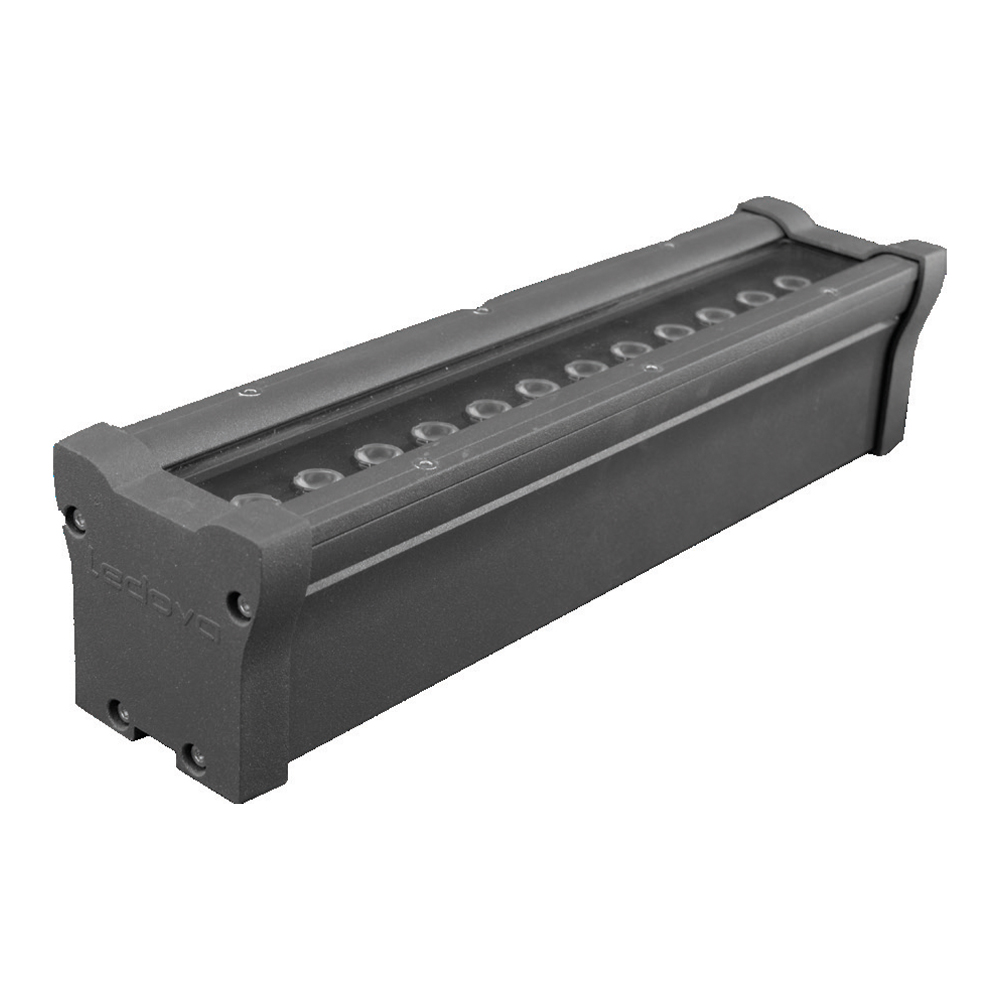
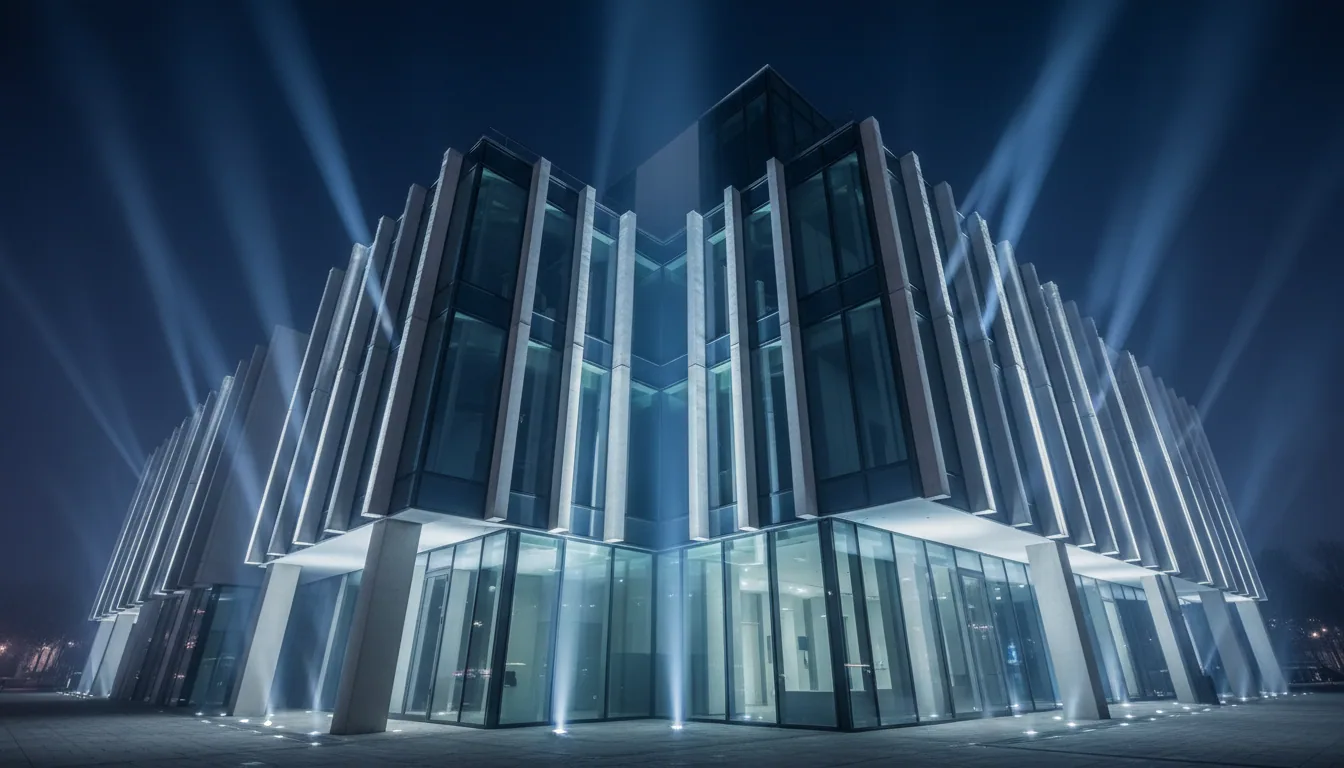
Facade luminaires are outdoor LED lighting fixtures designed to illuminate building facades, architectural structures, and special-purpose spaces using uplighting, downlighting, or wallwashing techniques. They are a strategic lighting category that defines architectural expression and ensures brand identity remains visible after dark.
Reference values: 2700K-4000K colour temperature (RGB-W option available) · 1,500-12,000 lumens · CRI ≥ 80 · IP65/IP66 · IK08-IK10 · DMX/DALI control
What Are Facade Luminaires?
Facade luminaires are professional outdoor LED fixtures designed to make architectural structures visible at night while emphasizing texture, form, and materiality. Unlike standard floodlights, they feature optical systems specifically engineered for facade washing applications. Asymmetric optics ensure uniform light distribution across the building surface while minimizing light spill beyond the facade.
Types of Facade Lighting
Uplight
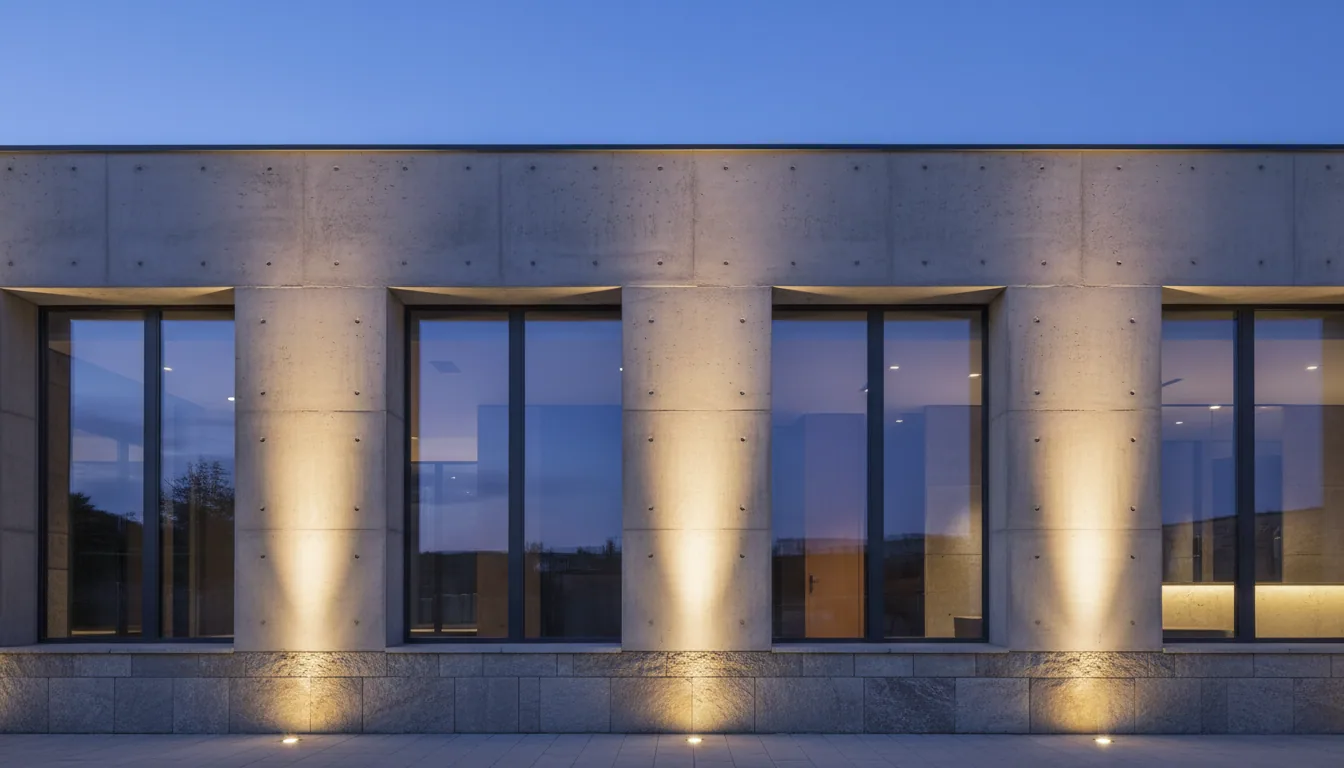
Installed at ground level near the base of the building, providing vertical wallwashing or narrow-beam spotlighting. Highlights facade textures and creates a dramatic architectural effect. Typical power range is 50-100W with 5,500-10,000 lumens.
Downlight
Mounted on roof edges or beneath canopies, directing light downward across the facade surface. Emphasizes upper architectural details and building features.
Linear Wallwasher
Slim-profile linear luminaires installed discreetly along building edges. Preferred for modern minimalist architectural projects.
RGB-W Colour-Changing
Designed for seasonal colour schemes (New Year, national celebrations, special events) and dynamic colour transitions controlled via DMX/DALI protocols. Widely used in commercial buildings and hotels.
Technical Criteria
IP and IK Protection
IP65 is the standard for outdoor applications; IP66 is recommended for coastal environments and locations exposed to pressure washing. IK08-IK10 ratings provide resistance against mechanical impact.
Asymmetric Optics
A critical feature in facade lighting applications. Directs light precisely onto the building surface while minimizing spill light. This reduces light pollution, prevents disturbance to neighbouring properties, and improves overall lighting efficiency.
Surge Protection
≥ 10kV surge protection is essential for facade luminaires installed in exposed outdoor environments. In regions with frequent lightning activity, such as Türkiye, surge protection has a direct impact on the operational lifetime of the installation.
Driver and Control
Flicker-free drivers, DALI-2 / DMX 512 protocols, and dimming capabilities. Automatic switching based on astronomical time scheduling can be integrated with sunrise and sunset calculations.
Applications
- Luxury hotel facades: RGB-W seasonal colours and DMX-controlled dramatic lighting compositions
- Corporate headquarters: White or corporate-colour architectural accent lighting
- Shopping mall facades: Seasonal campaign colours and event lighting applications
- Historic building restoration: Low UV output, warm colour temperatures (3000K), and soft wallwashing effects
- Monuments and sculptures: Narrow-beam spotlights for dramatic accent lighting
- Luxury residential projects: Slim-profile uplights with concealed mounting details
Ledova Facade Luminaire Product Family
- Standard Uplight Series: 30-50W, IP65, 3000K-4000K
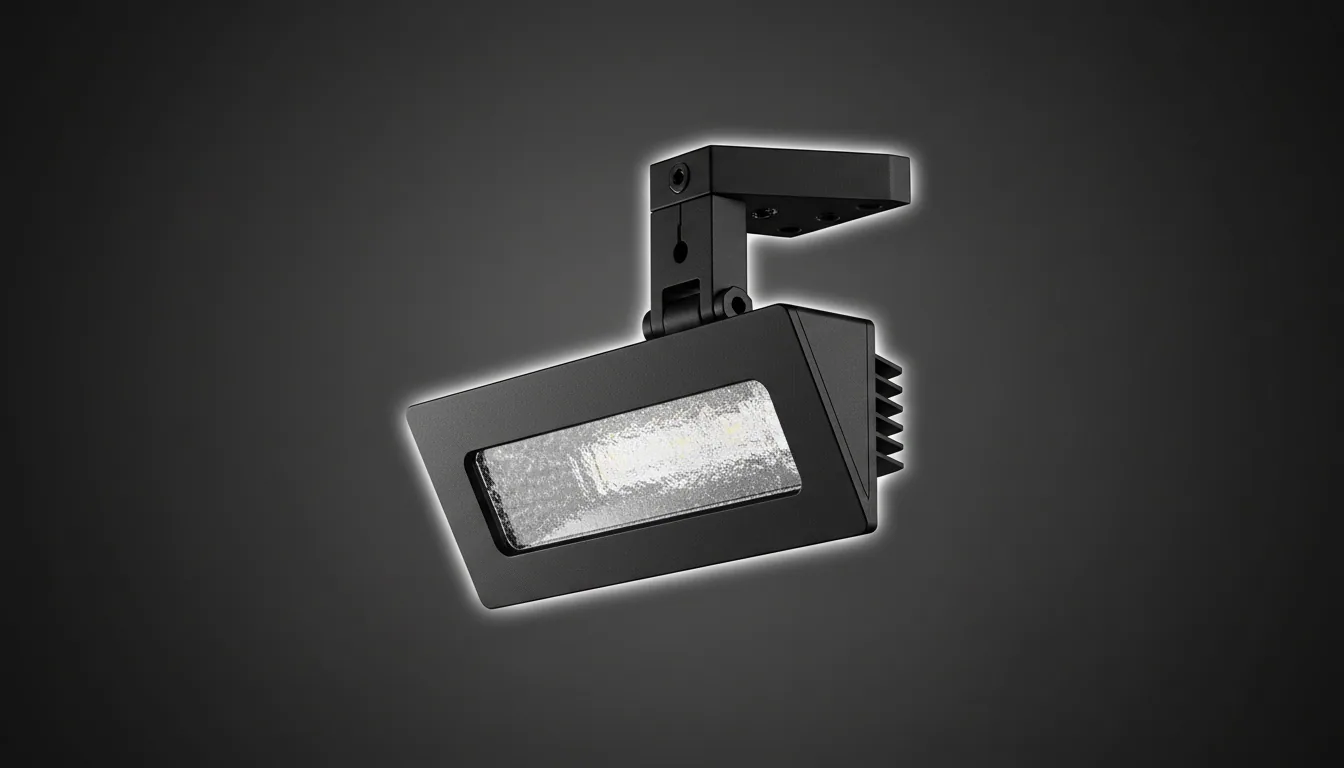
- Premium Asymmetric Series: 50-100W, 10kV surge protection, asymmetric optics
- Linear Wallwasher Series: 600-1200 mm, slim profile, concealed installation
- RGB-W Dynamic Series: DMX 512 / DALI-2 control, programmable seasonal colour scenarios
- Historic Building Series: Low UV/IR output, dimmable, precision optics
All our products are CE, RoHS, and EPREL registered and comply with EN 60598-2-5 outdoor luminaire standards and EN 13201 architectural lighting requirements.
Frequently Asked Questions
Is municipal approval required for facade lighting projects?
In Türkiye, facade lighting applications are subject to local municipal planning and building regulations. In metropolitan cities such as Istanbul and Ankara, approval from dedicated visual or aesthetic review committees may be required. Professional manufacturers typically provide photometric simulations and light pollution analyses during the project phase, and these reports can be valuable during the municipal approval process.
How is RGB colour programming performed?
RGB-W luminaires are programmed using DMX 512 or DALI-2 protocols. Designers can define static colours or dynamic colour sequences such as transitions and fade effects through the control interface. Seasonal lighting scenarios (New Year celebrations, national holidays, special events) can be scheduled to operate automatically.
What type of luminaire is recommended for historic building restoration projects?
Luminaires with low UV/IR emissions are recommended to help preserve sensitive materials such as paintings, stone surfaces, and timber elements. Typical specifications include 3000K warm white, asymmetric wallwasher optics, and dimming capability. The preferred approach is to highlight the building’s materiality and architectural character without creating visual disturbance, while reducing light levels during late-night hours.
How much more expensive are asymmetric optics compared to standard symmetric optics?
Asymmetric optics are typically 10-20% more expensive. However, because they minimize light spill (important both for regulatory compliance and neighbouring properties) and often achieve the desired lighting effect with fewer luminaires, the overall project cost may be similar to—or even lower than—that of a solution using standard symmetric optics.